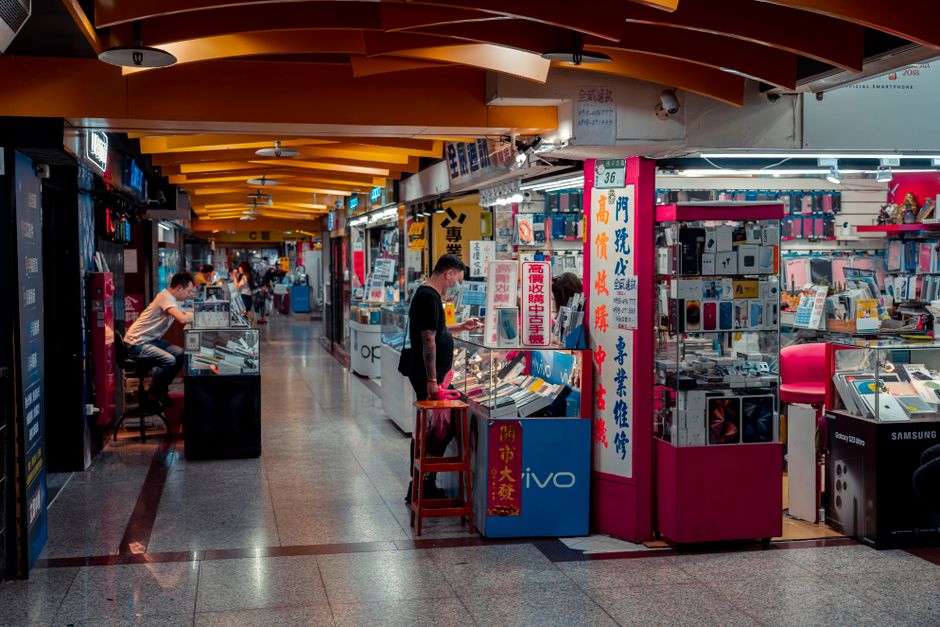
The luxury fashion industry has seen significant transformations over the past few years, with the emergence of a new player in the market: the luxury brand reseller. These businesses are reshaping how consumers perceive and acquire high-end fashion items, providing a unique alternative to traditional retail channels. As the demand for sustainable fashion grows and consumers seek more affordable options, luxury brand resellers are stepping into the spotlight, changing the dynamics of luxury shopping.
Understanding the Luxury Brand Reseller Market
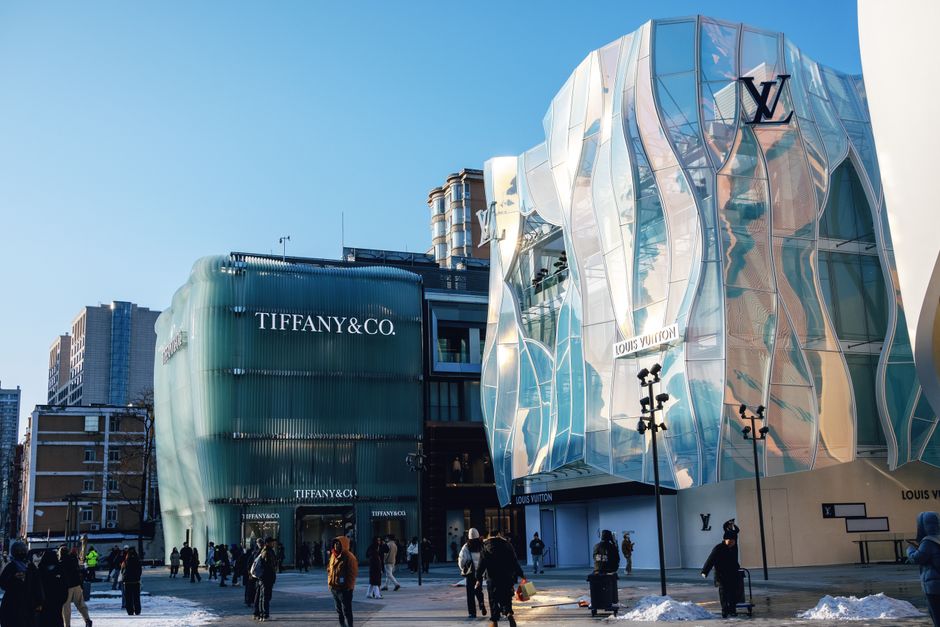
Luxury brand resellers specialize in the buying, selling, and trading of pre-owned high-end fashion items. Unlike traditional retail, which focuses on new, full-priced items, these resellers offer a curated selection of second-hand luxury goods. This market has grown exponentially, with reports indicating that the global second-hand luxury market was valued at approximately $33 billion in 2021 and is expected to reach $64 billion by 2025.
One of the driving forces behind this growth is the increasing consumer interest in sustainability. With the fashion industry being one of the largest polluters globally, many consumers are now prioritizing eco-friendly practices. By purchasing from a luxury brand reseller, consumers can enjoy luxury items while minimizing their environmental impact.
Moreover, luxury brand resellers often offer items at a fraction of the original price, making high-end fashion more accessible to a broader audience. This affordability, coupled with the allure of owning coveted pieces from prestigious brands, has attracted a diverse clientele, from fashion enthusiasts to savvy shoppers looking for deals.
The Benefits of Buying from Luxury Brand Resellers
One of the primary advantages of purchasing from luxury brand resellers is the potential for significant cost savings. Many resellers sell items that are gently used or even brand new, allowing consumers to score designer pieces at a lower price. For instance, a handbag that originally retails for $2,000 might be available for $1,200 through a reseller, depending on its condition and rarity.
Additionally, luxury brand resellers often provide authentication services, which help to ensure that the items sold are genuine. This is particularly important in the luxury market, where counterfeit products are prevalent. Reputable resellers have strict vetting processes to verify the authenticity of items, giving buyers peace of mind when making a purchase.
Another benefit is the unique selection offered by resellers. Many luxury brand resellers curate a collection of rare or hard-to-find items that are no longer available in traditional retail stores. This aspect of exclusivity appeals to consumers who want to stand out and express their individuality through unique fashion choices.
Challenges Faced by Luxury Brand Resellers
Despite the growing popularity of luxury brand resellers, they also face several challenges. One significant hurdle is the need for effective inventory management. Resellers must keep track of their stock, ensuring they have enough items to meet demand without overstocking, which can lead to financial losses.
Additionally, the competitive nature of the market can make it difficult for new entrants to establish themselves. With many established players already in the market, new resellers must find innovative ways to differentiate themselves, whether through superior customer service, unique product offerings, or effective marketing strategies.
Moreover, the ongoing issue of counterfeit luxury items poses a constant threat to resellers. As mentioned earlier, ensuring authenticity is crucial, and resellers must invest in training and resources to authenticate products effectively. Failure to do so can lead to reputational damage and financial repercussions.
Future Trends in Luxury Brand Reselling
Looking ahead, several trends are expected to shape the future of luxury brand reselling. One trend is the increased integration of technology in the resale process. Many resellers are leveraging e-commerce platforms, mobile apps, and social media to reach a broader audience and facilitate transactions. This digital shift allows resellers to provide a seamless shopping experience for customers, enhancing convenience and accessibility.
Moreover, the rise of consignment models is also likely to continue. Many luxury brand resellers are adopting consignment strategies, allowing consumers to sell their pre-owned items directly to the reseller. This model not only helps resellers expand their inventory but also creates a more sustainable shopping cycle.
Furthermore, collaborations between luxury brands and resellers are becoming more common. As luxury brands acknowledge the growing popularity of the second-hand market, some are partnering with resellers to create official resale platforms. This collaboration helps brands maintain control over their products while promoting sustainability.
Conclusion
The luxury brand reseller market is transforming the way consumers engage with high-end fashion. By offering affordability, sustainability, and unique selections, resellers are carving out a niche in the luxury space. As the demand for pre-owned luxury items continues to rise, these resellers will play a crucial role in shaping the future of fashion commerce. For consumers looking to indulge in luxury while being mindful of their impact on the planet, luxury brand resellers present an appealing solution.