In the dynamic world of music, a compelling music video is essential for artists hoping to capture the attention of their audience. Music videos serve not only as a visual representation of a song but also as a vital marketing tool that can elevate an artist’s career. With the rise of platforms like YouTube and social media, the importance of high-quality music video production has never been greater. This article delves into the intricacies of music video production, exploring the creative processes, strategic planning, and the technology involved in crafting a successful music video.
Understanding the Creative Process
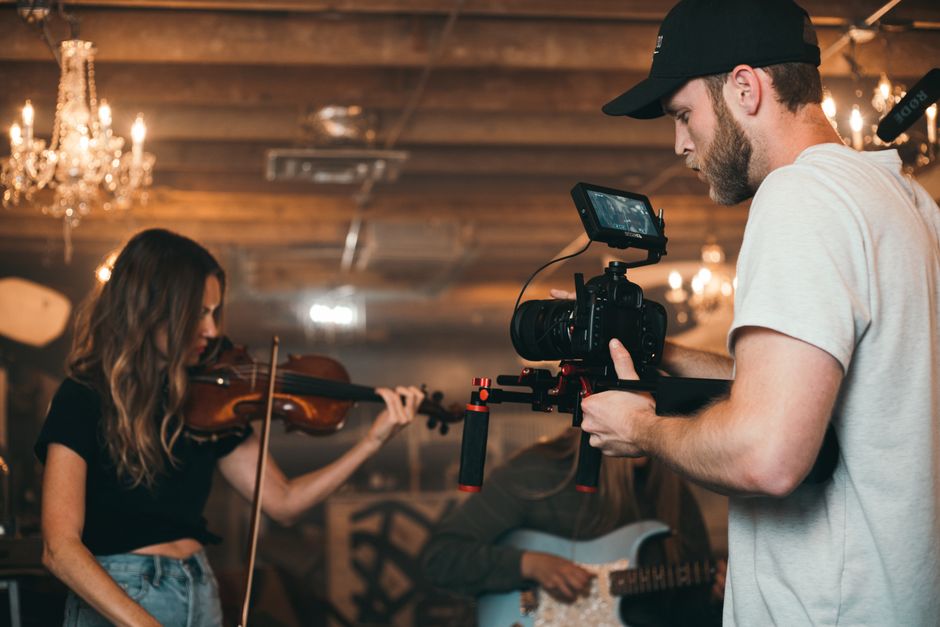
At the heart of any music video lies a creative vision. This vision is typically born during the early stages of song development and involves collaboration between the artist and the director. It is crucial to conceptualize the narrative or theme that the video will convey. For example, if the song is about love, the video might include romantic visuals or storytelling that aligns with the lyrics.
Storyboarding is a common practice in music video production that helps visualize the final product. This process involves sketching out scenes and sequences, allowing the team to plan camera angles, lighting, and transitions effectively. Having a detailed storyboard not only aids in maintaining a clear direction but also helps in budget management by outlining the specific needs for each scene.
Collaboration is another essential element. Music video production often involves a diverse team, including directors, producers, cinematographers, and editors. Each member brings unique skills and perspectives, which can significantly enhance the creative output. Regular meetings and brainstorming sessions ensure that everyone is aligned with the vision and goals of the video.
Strategic Planning for Success
Beyond creativity, strategic planning plays a pivotal role in the production of a music video. This phase includes budgeting, scheduling, and resource allocation. A well-structured plan can help mitigate risks and ensure that the project stays on track.
A budget is one of the first things to establish. Depending on the scale of the project, music video budgets can range from a few thousand dollars to several million. Costs can include location fees, equipment rentals, talent fees, and post-production expenses. It’s vital to prioritize spending based on the vision and expected impact of the video.
Scheduling is equally important. A production timeline should outline each phase of the project, from pre-production to post-production. This timeline helps coordinate the efforts of the entire team and ensures that all tasks are completed on time. For example, if filming is set to begin on a specific date, all pre-production tasks, such as location scouting and casting, must be completed beforehand.
Technology and Techniques in Production
In today’s digital age, technology has revolutionized music video production. High-definition cameras, drones, and advanced editing software have opened new avenues for creativity and technical possibilities. For instance, aerial shots captured by drones can provide stunning visuals that were once unattainable.
Editing is where the magic truly happens. Post-production involves cutting the footage together, adding effects, and syncing the visuals with the audio track. Software such as Adobe Premiere Pro and Final Cut Pro are industry standards that allow editors to manipulate footage creatively. The editing phase is crucial for pacing the video and ensuring it resonates with the audience.
Another technological advancement is the use of visual effects (VFX). These can range from simple color grading to complex animations that enhance the storytelling aspect of the video. Creatively integrating VFX can elevate a music video, making it more engaging and visually appealing.
Marketing the Music Video
Once the music video is completed, the next step is marketing. An effective marketing strategy can significantly enhance the video’s reach and impact. Social media platforms such as Instagram, TikTok, and Facebook are invaluable tools for promoting music videos. Artists can leverage their follower base to create hype before the release.
Additionally, engaging in partnerships with influencers or popular content creators can broaden the audience. For example, if an influencer shares the music video on their platform, it exposes the content to a new demographic that the artist may not have reached otherwise.
Data analytics also play a vital role in measuring a video’s performance. Analyzing viewer engagement, demographics, and retention rates can provide insights that inform future projects. Platforms like YouTube offer detailed analytics that can help artists understand their audience better and tailor their content accordingly.
Conclusion
Music video production is a multifaceted process that combines creativity, strategy, and technology. From conceptualizing ideas to executing a final product, each step is integral to creating a compelling visual narrative that resonates with audiences. As the music industry continues to evolve, understanding the nuances of music video production becomes increasingly important for artists looking to make a mark. For those interested in diving deeper into the world of music video production, there are many resources and professionals available to assist in bringing visions to life.