In recent years, sustainability has transitioned from a niche concept to a mainstream movement, particularly in the fashion industry. As consumers become more aware of the environmental impact of their purchases, sustainable fashion brands are gaining traction. This article explores the evolution of sustainable fashion, the key players in the industry, and the impact of consumer choices on the environment.
The Evolution of Sustainable Fashion

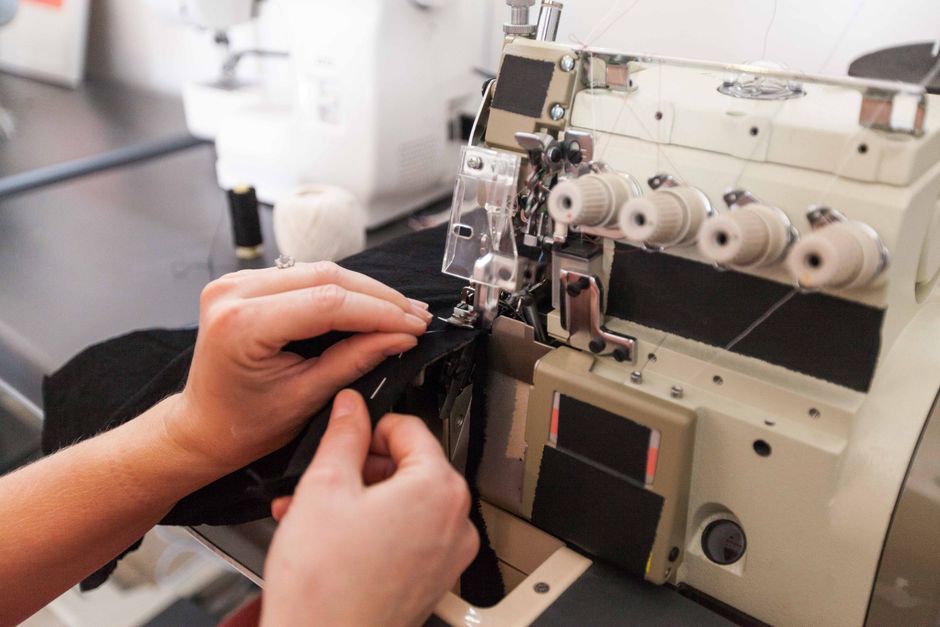
The concept of sustainable fashion emerged in the late 20th century as a response to the growing concerns about the environmental and social impacts of fast fashion. Traditional fashion often prioritizes profit over ethical considerations, leading to a significant increase in waste and pollution. However, sustainable fashion brands focus on minimizing their environmental footprint by using eco-friendly materials, ethical labor practices, and sustainable production methods.
A notable example of this shift is the growing popularity of organic cotton. Unlike conventional cotton, which requires large amounts of pesticides and water, organic cotton is grown without harmful chemicals, making it a more sustainable option. Brands that utilize organic cotton not only reduce their environmental impact but also appeal to consumers who are increasingly seeking out eco-friendly products.
Key Players in the Sustainable Fashion Industry
Several brands have emerged as leaders in the sustainable fashion movement. For instance, companies like Patagonia and Eileen Fisher have long advocated for environmental sustainability and social responsibility. These brands have integrated sustainable practices into their core values, setting a benchmark for others in the industry.
Patagonia, known for its outdoor apparel, has implemented a robust recycling program, encouraging customers to return used clothing for reuse or recycling. Their commitment to sustainability is evident in their business model, which prioritizes environmental conservation over profit maximization. Similarly, Eileen Fisher focuses on using organic and sustainable fabrics and is committed to transparency in its supply chain.
The Role of Consumer Choices
Consumer awareness plays a crucial role in the growth of sustainable fashion brands. As shoppers become more informed about the environmental implications of their clothing choices, they are increasingly opting for brands that prioritize sustainability. According to a report by McKinsey, 67% of consumers consider sustainability when making a purchase decision, indicating a significant shift in consumer behavior.
Moreover, social media has amplified this trend, with influencers and activists using platforms to promote sustainable fashion. The hashtag #SustainableFashion has gained popularity, showcasing brands that align with eco-friendly practices. This online advocacy not only raises awareness but also encourages more brands to adopt sustainable practices to meet consumer demand.
The Impact of Sustainable Fashion on the Environment
Transitioning to sustainable fashion is not just a trend; it has significant implications for the environment. The fashion industry is one of the largest polluters globally, contributing to water pollution, carbon emissions, and excessive waste. Sustainable fashion brands aim to mitigate these impacts by promoting practices such as using biodegradable materials and implementing circular economy principles.
For instance, the concept of a circular economy involves designing products that can be reused, repaired, or recycled, thereby reducing waste. Brands that adopt this model contribute to a more sustainable future by minimizing the amount of clothing that ends up in landfills. The use of sustainable materials, such as recycled polyester, also helps reduce the demand for virgin resources, further decreasing the environmental burden.
Challenges and Future Directions
Despite the positive strides made by sustainable fashion brands, challenges remain. One major hurdle is the higher cost associated with sustainable materials and ethical production practices. Many consumers still prioritize cost over sustainability, which can hinder the growth of sustainable brands.
However, as awareness increases and demand for eco-friendly options grows, it is likely that prices will eventually stabilize. Additionally, initiatives such as government regulations and incentives for sustainable practices can further promote the growth of this sector. Brands are increasingly adopting innovative technologies, such as 3D printing and digital fashion, to reduce waste and enhance sustainability.
Ultimately, the future of fashion lies in the hands of both brands and consumers. By choosing to support sustainable fashion brands, consumers can drive change in the industry and contribute to a more sustainable world. One such brand that embodies this commitment is sustainable fashion brand, which focuses on eco-friendly practices and stylish designs.
Conclusion
The rise of sustainable fashion brands marks a significant shift in the industry towards more ethical and eco-friendly practices. As consumers become more conscious of their choices, the demand for sustainable options will continue to grow. By supporting brands that prioritize sustainability, we can all play a part in creating a more sustainable future. The journey towards sustainable fashion is not only about making better choices but also about fostering a culture of responsibility and awareness in the fashion industry.