Aerial drone photography has revolutionized the way we capture and perceive the world around us. With the advancement of technology, photographers have gained new heights—literally and figuratively. Drones equipped with high-resolution cameras now allow us to explore landscapes from unique angles, offering stunning visual narratives that were once impossible to achieve.
The Technology Behind Aerial Drone Photography
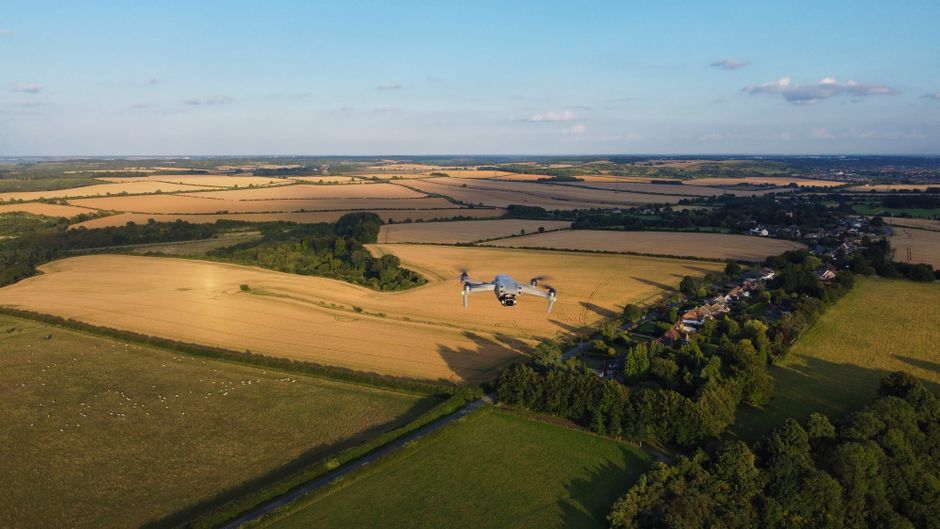
At the core of aerial drone photography is the technology that powers these flying devices. Modern drones are equipped with sophisticated cameras that can shoot in 4K resolution, enabling photographers to capture intricate details of their surroundings. Additionally, features such as GPS positioning and automated flight paths allow for stable and precise shots.
For instance, the DJI Mavic series has become a favorite among professionals and hobbyists alike due to its portability and ease of use. These drones come with intelligent flight modes, making it easier for photographers to focus on composition rather than piloting. The combination of advanced technology and user-friendly interfaces has made aerial photography accessible to a broader audience.
Moreover, the integration of software tools for editing and enhancing aerial images further enhances the storytelling aspect. Photographers can now edit their shots to emphasize colors, contrast, and clarity, creating breathtaking visuals that captivate viewers.
Applications of Aerial Drone Photography
The applications of aerial drone photography are vast and varied. In real estate, for example, high-quality aerial shots provide potential buyers with a comprehensive view of properties, showcasing not only the buildings but also their surrounding landscapes. According to recent studies, listings with aerial images sell 68% faster than those without.
Similarly, in the field of agriculture, farmers utilize drone photography to monitor crop health and optimize land use. By capturing images from above, they can identify areas that require attention, thus improving yield and sustainability. This type of practical application exemplifies how aerial photography can contribute to efficiency in various sectors.
Moreover, industries such as tourism and event planning have also embraced aerial photography. Drone images highlighting scenic locations or large gatherings provide a unique promotional angle, attracting more visitors and creating memorable experiences.
Legal and Ethical Considerations
With great power comes great responsibility, and this is especially true in the realm of aerial drone photography. As the popularity of drones increases, so do the regulations surrounding their use. Most countries mandate that drone operators must adhere to specific guidelines to ensure safety and privacy.
In many cases, obtaining permission to fly over private property is essential. Furthermore, photographers must be aware of the local laws regarding airspace and drone operation. Violating these regulations can result in penalties, making it imperative for drone photographers to stay informed.
Ethically, photographers must also consider the implications of capturing images without consent. Respecting individual privacy and being transparent about drone usage fosters trust and maintains a positive relationship with the communities being photographed.
Future Trends in Aerial Drone Photography
The future of aerial drone photography looks promising, with continuous advancements in technology and innovative applications emerging regularly. One notable trend is the integration of artificial intelligence (AI) in drone operations. AI can enhance image processing, enabling drones to automatically adjust settings for optimal shots based on environmental conditions.
Additionally, the rise of virtual reality (VR) and augmented reality (AR) is opening new avenues for engaging with aerial photography. For instance, combining drone footage with VR technology could allow users to experience a location as if they were physically present, providing an immersive experience that traditional photography cannot offer.
As drone technology continues to evolve, we can expect to see even more creative possibilities in aerial photography, pushing the boundaries of visual storytelling.
Conclusion
Aerial drone photography is more than just a trend; it is a testament to human creativity and technological advancement. By offering unique perspectives and applications across various industries, it has transformed how we document and interact with our environment. As we look to the future, the potential for aerial photography is limitless, promising exciting new visuals and insights into the world around us. For those interested in exploring this fascinating field, resources such as aerial drone photography services can provide valuable insights and opportunities.