
In the complex world of commerce, distributors play a vital role in the supply chain. They serve as intermediaries between manufacturers and retailers, ensuring that products reach the end consumer efficiently. This article explores the multifaceted responsibilities of distributors, their impact on market dynamics, and how businesses can leverage their services to optimize operations.
What is a Distributor?
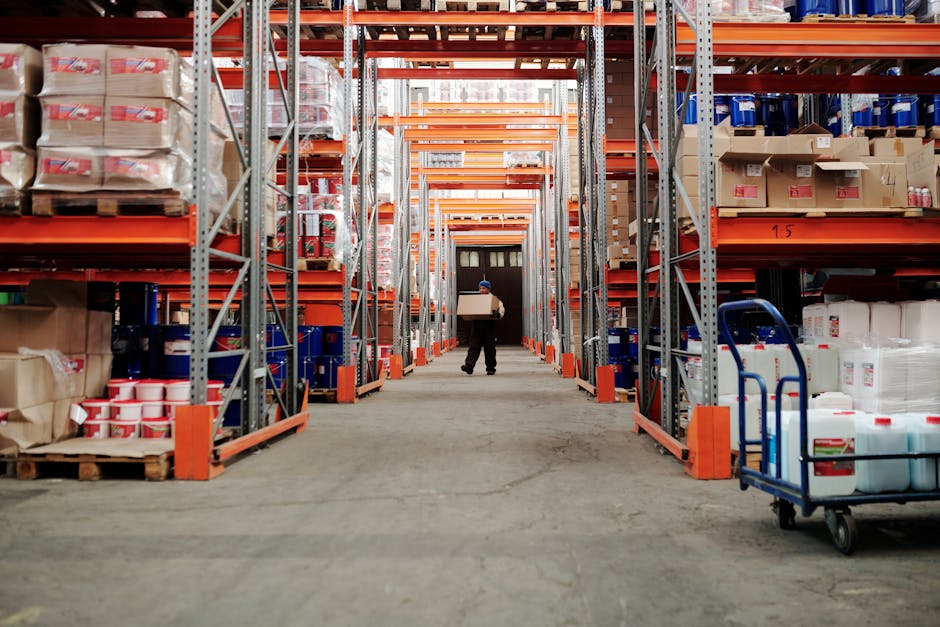
A distributor is a company or individual that purchases goods from manufacturers and sells them to retailers or directly to consumers. They often take on the responsibility of storage, inventory management, and logistics, allowing manufacturers to focus on production. Distributors can operate in various industries, from electronics to food and beverages, each with unique challenges and requirements.
One of the key functions of a distributor is to act as a bridge between the manufacturer and the retailer. This role is crucial in ensuring that products are available where and when they are needed. For instance, a distributor may manage a network of wholesalers and retailers to ensure consistent product availability across different geographical locations.
Additionally, distributors often provide valuable market insights to manufacturers, helping them understand consumer preferences and market trends. This feedback loop can significantly influence product development and marketing strategies.
The Benefits of Working with Distributors
Partnering with a distributor can bring numerous advantages to a business. Firstly, distributors have established relationships with retailers, allowing for quicker product placement and market penetration. This can be particularly beneficial for new products trying to gain traction in a competitive market.
Moreover, distributors typically have extensive knowledge of the local market, including pricing strategies and consumer behavior. This expertise can help businesses refine their marketing strategies, ensuring that products are positioned effectively to meet customer needs.
Another benefit is the reduction of overhead costs. By outsourcing logistics and inventory management to distributors, manufacturers can save on warehousing expenses and transportation costs. This allows companies to allocate resources more efficiently and focus on core business activities.
Challenges Faced by Distributors
Despite the advantages, distributors face several challenges in their operations. One of the primary issues is managing supply chain disruptions. Events such as natural disasters, political instability, or economic downturns can significantly impact the availability of products.
Furthermore, as e-commerce continues to grow, distributors must adapt to changing consumer expectations. The rise of direct-to-consumer models has put pressure on traditional distribution channels, forcing distributors to innovate and enhance their services to remain competitive.
Another challenge is maintaining strong relationships with both manufacturers and retailers. Distributors must balance the needs and demands of both parties, which can sometimes lead to conflicts. Effective communication and relationship management are essential to navigate these complexities.
Choosing the Right Distributor
Selecting the right distributor is a critical decision for any manufacturer. Businesses should consider several factors, including the distributor’s market reach, reputation, and expertise in the specific industry. A distributor with a strong network and established relationships can provide a competitive advantage.
Moreover, it is essential to evaluate the distributor’s logistical capabilities. A distributor that can efficiently manage inventory and logistics will contribute to smoother operations and customer satisfaction.
Finally, businesses should assess the distributor’s alignment with their brand values and goals. A distributor that shares a similar vision can foster a more collaborative and productive partnership.
Conclusion
In conclusion, distributors play an essential role in the modern business landscape. They facilitate the movement of goods from manufacturers to consumers, providing valuable services that enhance efficiency and market reach. By understanding the dynamics of distribution, businesses can make informed decisions about partnerships that will ultimately drive growth and success. As the market continues to evolve, leveraging the expertise of distributors will be crucial in navigating challenges and seizing opportunities.
For those interested in exploring innovative solutions in the realm of health and wellness, products like BPC157+TB500 are gaining attention for their potential benefits. Understanding how distributors can effectively deliver such products to consumers will be key for businesses in the health sector.