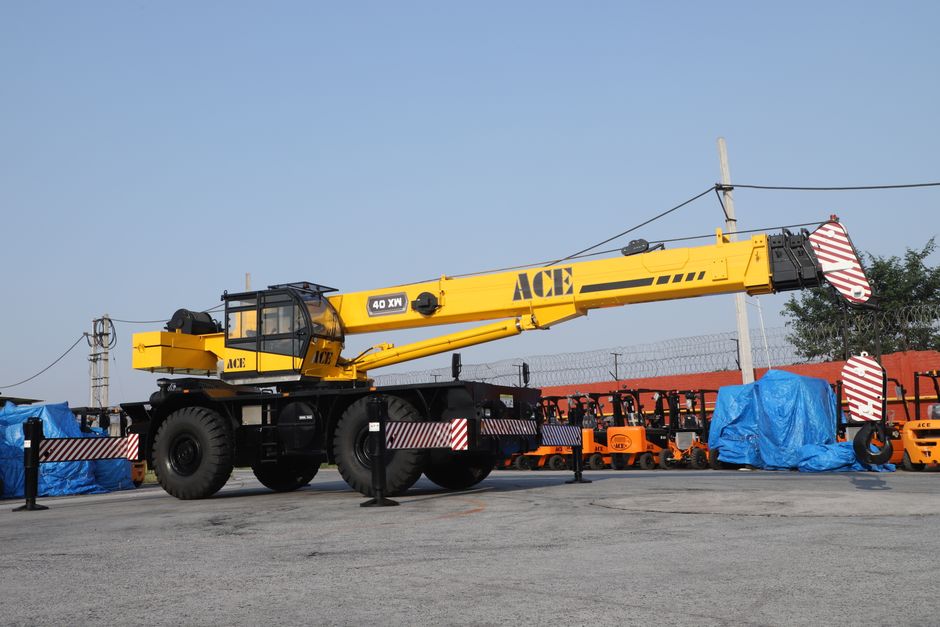
The construction industry is a vital component of the global economy, playing a crucial role in infrastructure development and urban planning. With advancements in technology, changing regulations, and evolving consumer demands, the construction landscape is undergoing significant transformation. Understanding these changes is essential for stakeholders looking to navigate this dynamic environment.
The Impact of Technology on Construction
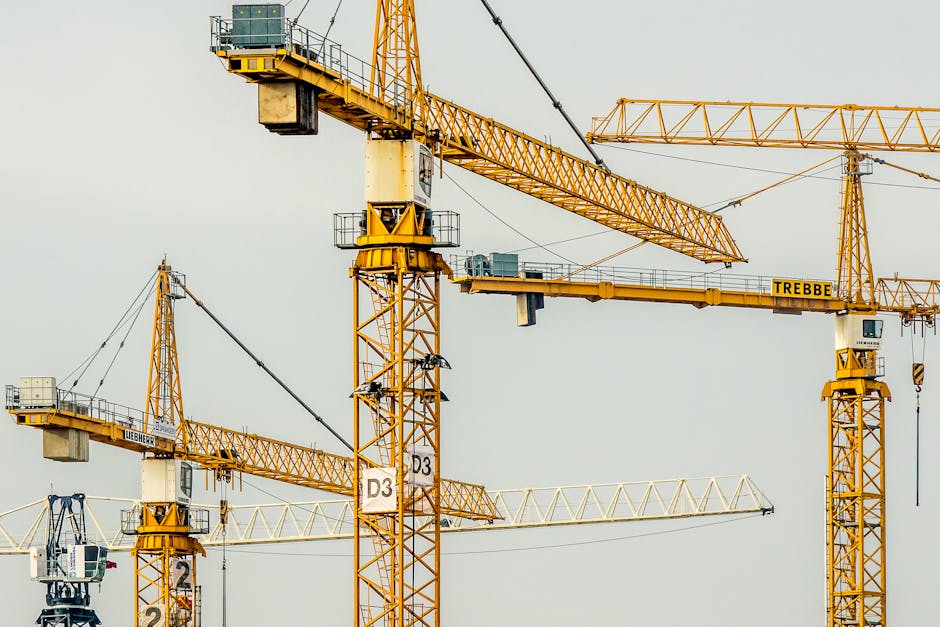
In recent years, technology has revolutionized the construction sector. Innovations such as Building Information Modeling (BIM), drones, and 3D printing are reshaping how projects are designed and executed. BIM, for instance, allows for detailed digital representations of buildings, enabling better collaboration among architects, engineers, and contractors.
Drones have become invaluable tools for surveying and monitoring construction sites. They provide real-time data and aerial imagery, facilitating improved project management and safety monitoring. According to a report by McKinsey, the use of drones can reduce project costs by up to 20% while increasing efficiency.
Moreover, 3D printing is emerging as a game-changer in the industry. It enables rapid prototyping and even the construction of entire structures with reduced labor costs and waste. As technology continues to advance, we can expect even more innovative solutions to emerge in the construction field.
Sustainability in Construction
As environmental concerns grow, the construction industry is increasingly focusing on sustainability. Green building practices aim to minimize the ecological impact of construction projects. This includes using sustainable materials, implementing energy-efficient designs, and ensuring waste reduction during the building process.
LEED (Leadership in Energy and Environmental Design) certification has become a benchmark for measuring the sustainability of buildings. Projects that achieve LEED certification demonstrate a commitment to environmental stewardship, which can enhance their marketability and appeal to eco-conscious consumers.
Furthermore, sustainable practices can lead to long-term cost savings. For example, energy-efficient buildings can significantly reduce utility bills over time. As regulations and consumer preferences shift towards sustainability, construction companies that adopt green practices will likely gain a competitive edge.
Labor Challenges in the Construction Industry
Despite technological advancements, the construction industry faces significant labor challenges. There is a growing skills gap, with many workers lacking the necessary training and expertise for modern construction techniques. According to the Associated General Contractors of America, 80% of construction firms report difficulty finding qualified workers.
This labor shortage can lead to project delays and increased costs. To address this issue, companies are investing in training programs and partnerships with educational institutions to develop a skilled workforce. Apprenticeship programs have gained popularity, providing hands-on experience for newcomers to the industry.
Moreover, attracting younger generations to the construction field is crucial. Promoting the benefits of a career in construction, such as competitive salaries and opportunities for advancement, can help alleviate labor shortages in the long run.
The Role of Regulations in Construction
Regulations play a vital role in shaping the construction industry. Building codes and zoning laws ensure that structures are safe and meet community standards. However, navigating these regulations can be complex and time-consuming for construction professionals.
Recent trends indicate that governments are increasingly focusing on streamlining regulatory processes to facilitate construction projects. For instance, many states are adopting online permitting systems, reducing the time and effort required to obtain necessary approvals.
Compliance with safety regulations is also paramount. Construction sites are inherently hazardous, and companies must adhere to Occupational Safety and Health Administration (OSHA) guidelines to protect workers. Failure to comply can result in fines and project delays, emphasizing the importance of prioritizing safety in construction practices.
Future Trends in the Construction Industry
Looking ahead, several trends are likely to shape the future of the construction industry. The integration of artificial intelligence (AI) and machine learning is expected to enhance project planning and risk management. AI can analyze vast amounts of data to predict potential challenges and optimize resource allocation.
Additionally, modular construction is gaining traction as a faster and more cost-effective building method. By prefabricating components off-site, companies can reduce construction time and minimize on-site labor costs.
Furthermore, as cities continue to grow, urbanization will drive demand for innovative construction solutions. Smart city initiatives aim to integrate technology into urban planning, creating more efficient and sustainable living environments.
As the industry evolves, collaboration among stakeholders will be essential. Construction networks, such as the construction network charlotte nc, play a pivotal role in fostering partnerships and sharing best practices among professionals, ultimately driving progress in the sector.
Conclusion
The construction industry stands at a crossroads, with technology, sustainability, labor challenges, and regulations shaping its future. By embracing innovation and adapting to changing demands, stakeholders can position themselves for success in this dynamic environment. As we move forward, collaboration and a commitment to sustainable practices will be key in ensuring the industry’s growth and resilience.