
In today’s fast-paced business environment, the role of distributors has never been more critical. Distributors act as the vital link between manufacturers and retailers, ensuring that products reach their intended markets efficiently. This article delves into the various functions that distributors perform, their impact on the supply chain, and how businesses can leverage these partnerships to enhance their operations.
Understanding the Distributor’s Role
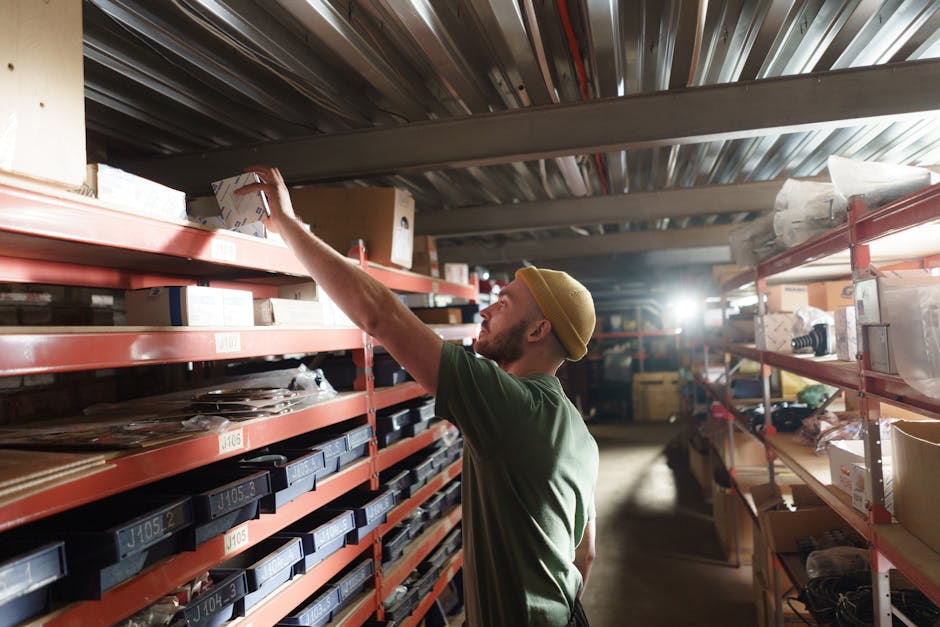
Distributors serve as intermediaries, facilitating the flow of goods from producers to consumers. They not only manage inventory and logistics but also play a crucial role in marketing and sales. By evaluating market demand and consumer preferences, distributors can help manufacturers fine-tune their product offerings.
Moreover, distributors often provide added value through services such as product training, technical support, and after-sales service. This allows manufacturers to focus on their core competencies while ensuring that consumers receive comprehensive support for the products they purchase.
For example, a tech company might rely on a distributor to provide hands-on demonstrations and workshops for retailers, which can significantly enhance product visibility and sales. Such collaborative efforts highlight the importance of distributors in building brand presence in competitive markets.
Types of Distributors
There are various types of distributors, each serving different market needs. Wholesalers, for instance, buy large quantities of products directly from manufacturers and sell them to retailers. This model allows for bulk purchasing, which can reduce costs for both manufacturers and retailers.
On the other hand, value-added resellers (VARs) offer additional services, such as customization or integration of products. These distributors often work in specialized sectors, providing tailored solutions to meet specific client requirements. For instance, in the software industry, VARs may bundle software solutions with installation services, creating a more appealing offering for end-users.
Additionally, online distributors have gained prominence with the rise of e-commerce. They provide a platform for manufacturers to reach a broader audience without the need for a physical storefront. Companies can partner with these distributors to tap into online marketplaces, maximizing their product’s reach.
The Impact of Technology on Distribution
Technology has revolutionized the distribution landscape, streamlining operations and enhancing efficiency. Advanced software solutions enable distributors to manage inventory levels, track shipments, and analyze sales data in real-time. This data-driven approach allows for better forecasting and inventory management, reducing the risk of stockouts or overstock situations.
Furthermore, the integration of automation and robotics in warehouses has accelerated order fulfillment processes. Distributors can now process orders faster, ensuring that products reach retailers and consumers promptly. For example, automated picking systems can significantly reduce the time taken to locate and package products, leading to quicker delivery times.
The rise of digital communication tools also facilitates better collaboration between manufacturers and distributors. Regular updates, feedback, and joint marketing initiatives can be managed more efficiently, fostering stronger partnerships.
Challenges Faced by Distributors
While distributors play a crucial role in the supply chain, they also face numerous challenges. Market volatility, changing consumer preferences, and global competition can impact their operations significantly. Distributors must remain agile, adapting to these changes to ensure continued success.
Moreover, managing relationships with multiple manufacturers and retailers can be complex. Distributors need to balance the demands of various stakeholders while maintaining profitability. This requires effective negotiation skills and a deep understanding of market dynamics.
Another challenge is the need for continuous investment in technology and infrastructure. As the distribution landscape evolves, staying ahead of technological advancements is essential. For instance, implementing a new logistics management system or upgrading warehouse facilities can require significant financial resources.
Future Trends in Distribution
Looking ahead, several trends are likely to shape the future of distribution. Sustainability is becoming increasingly important, with both consumers and businesses prioritizing environmentally friendly practices. Distributors can lead the charge by implementing sustainable logistics solutions, such as optimizing delivery routes to reduce carbon footprints.
Additionally, the rise of direct-to-consumer models is reshaping traditional distribution channels. Brands are increasingly choosing to sell directly to consumers, bypassing distributors altogether. However, this trend also presents opportunities for distributors to offer unique services that enhance the consumer experience, such as personalized delivery options or exclusive product bundles.
Finally, as the global economy continues to shift, distributors must be prepared to navigate new market challenges and opportunities. By embracing innovation and adapting to changing conditions, distributors can solidify their position within the supply chain.
Conclusion
Distributors are a vital component of modern supply chains, providing essential services that enhance the flow of goods from manufacturers to consumers. By understanding their role, the types of distributors available, the impact of technology, and the challenges they face, businesses can better leverage these partnerships to drive growth. As the landscape continues to evolve, staying informed and adaptable will be key to success in the distribution sector. Moreover, exploring complementary products such as dmso gel can further enhance offerings and attract new customers, showcasing the importance of innovation in every aspect of distribution.