
The landscape of novel sales has evolved significantly over the past few years, influenced by various factors including digital transformation, reader preferences, and market trends. With the rise of e-books and audiobooks, traditional book sales have faced new challenges while also opening up exciting opportunities for both established and emerging authors. This article explores the current state of novel sales, the impact of technology, and strategies for authors and publishers to thrive in a competitive environment.
The Evolution of Novel Sales
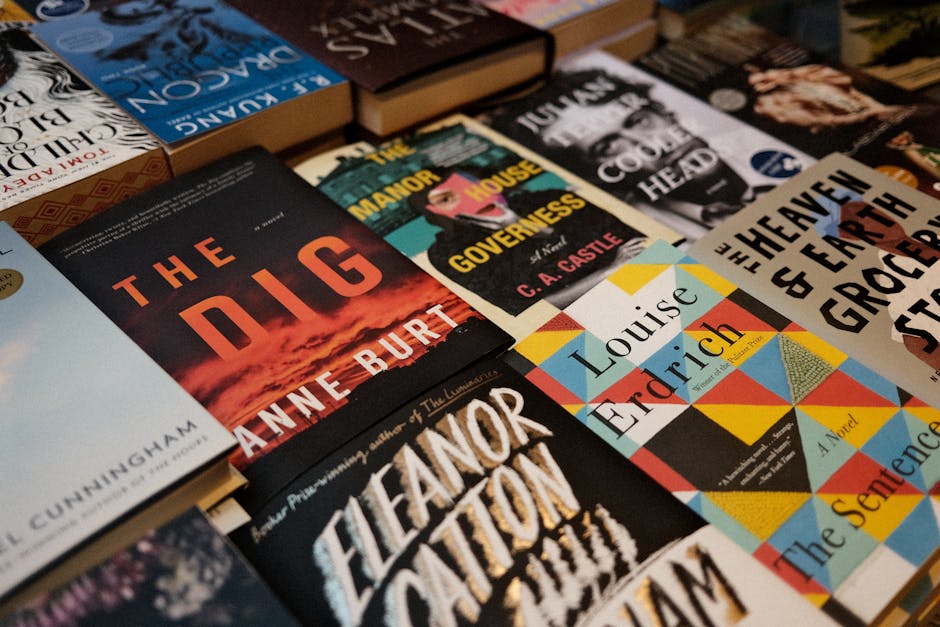
Historically, the sale of novels has been dominated by physical bookstores and print media. However, the advent of the internet and e-commerce has radically changed how readers discover and purchase books. According to the Association of American Publishers, e-book sales accounted for approximately 20% of the total book market in 2020, illustrating a significant shift in consumer behavior. This transition has forced traditional publishers to adapt their strategies to remain competitive in a digital-first world.
Moreover, self-publishing has become a viable option for many writers, allowing them to bypass traditional gatekeepers and reach their audiences directly. Platforms like Amazon Kindle Direct Publishing (KDP) and Smashwords have democratized the publishing process, enabling authors to publish their works with minimal upfront costs. As a result, the market is now flooded with a diverse array of novels, catering to niche genres and diverse readerships.
The Role of Marketing in Novel Sales
Effective marketing plays a crucial role in driving novel sales. Authors and publishers need to engage in targeted marketing strategies to reach their potential readers. Social media platforms, book blogs, and influencer partnerships have become essential tools in promoting new releases and building an author brand. For instance, many authors leverage platforms like Instagram and TikTok to share snippets of their work, engage with readers, and create buzz around their novels.
Additionally, email marketing remains a powerful tool for authors to connect with their audience. By building a mailing list, authors can share updates, exclusive content, and promotional offers directly with their readers, fostering a loyal community around their work. This direct communication not only boosts sales but also enhances reader engagement and satisfaction.
Trends Impacting Novel Sales
Several trends are currently shaping the novel sales landscape. One notable trend is the growing popularity of audiobooks, which have seen a significant increase in sales in recent years. According to the Audio Publishers Association, audiobook sales reached $1.3 billion in 2020, reflecting a 12% increase from the previous year. This trend has opened new avenues for authors to reach audiences who prefer consuming stories on the go.
Another emerging trend is the rise of serialized storytelling, where novels are released in installments, often seen on platforms like Wattpad and Radish. This format caters to the binge-reading culture of many consumers and allows authors to gauge reader interest in real-time, adapting their stories based on feedback. Such innovations are reshaping how novels are created and consumed.
Challenges Facing Novel Sales
Despite the opportunities presented by digital advancements, novel sales also face several challenges. The sheer volume of content available can overwhelm readers, making it difficult for individual authors to stand out. Additionally, the reliance on algorithms for discoverability on platforms like Amazon can often disadvantage new or lesser-known authors.
Furthermore, the ongoing global pandemic has disrupted supply chains and affected physical retail sales. Many bookstores were forced to close temporarily or adapt to new operating models, impacting the traditional sales channels for novels. Authors must be agile and innovative, exploring alternative distribution methods and marketing strategies to navigate these challenges effectively.
Future Outlook for Novel Sales
The future of novel sales appears promising, with ongoing technological advancements and evolving reader preferences. As more readers embrace digital formats, authors have the opportunity to experiment with different genres and styles, including Dystopian fiction, which has surged in popularity amid societal uncertainties.
Furthermore, the integration of artificial intelligence in publishing, from editing tools to personalized recommendations, is expected to streamline processes and enhance the reader experience. As the market continues to evolve, authors and publishers who remain adaptable and in tune with reader interests will be well-positioned to succeed.