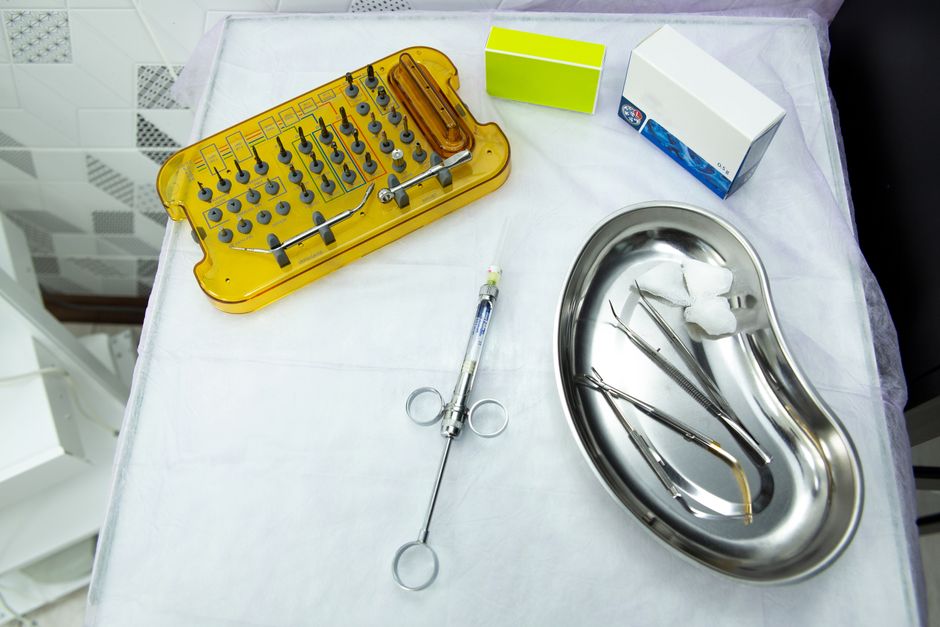
In recent years, the field of hair transplantation has witnessed significant advancements, making it more effective and accessible to individuals suffering from hair loss. Hair transplant procedures have evolved from traditional methods to state-of-the-art techniques that promise better results with minimal downtime. This article delves into the latest trends, technologies, and considerations surrounding hair transplants, providing a comprehensive overview for those contemplating this procedure.
Understanding Hair Loss and Its Causes
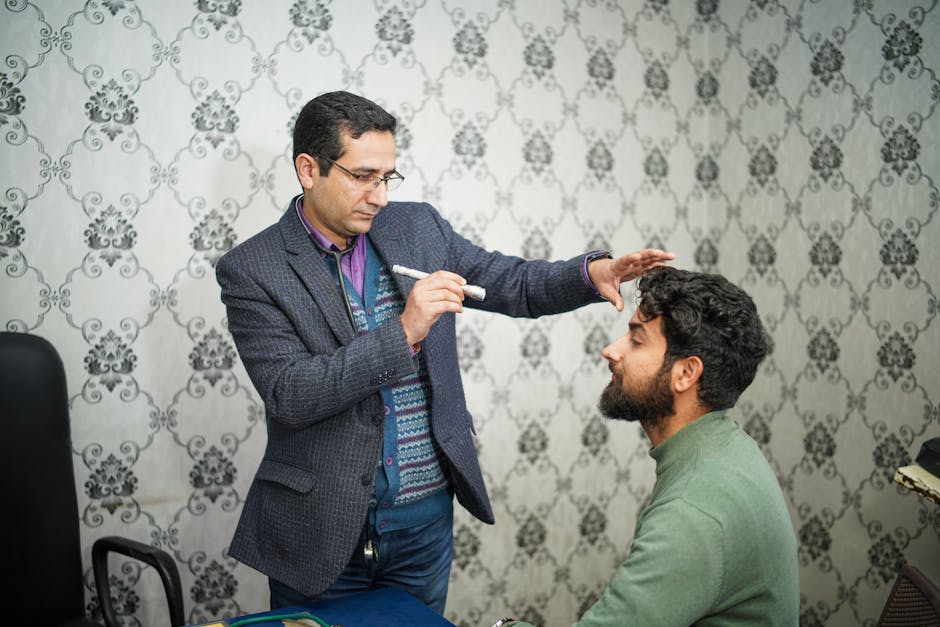
Hair loss can be a distressing experience for many, impacting self-esteem and quality of life. The primary causes of hair loss include genetic factors, hormonal changes, medical conditions, and environmental influences. Male and female pattern baldness, also known as androgenetic alopecia, is the most common form of hair loss, affecting millions worldwide. Understanding the underlying causes of hair loss is crucial for determining the appropriate treatment options, including hair transplantation.
Statistics indicate that approximately 50 million men and 30 million women in the United States alone experience some degree of hair loss. This prevalence has fueled the demand for effective solutions, leading to innovations in hair transplant technology that cater to various needs.
Advancements in Hair Transplant Techniques
Traditional hair transplant methods, such as the strip harvesting technique, involved removing a strip of scalp from the donor area, leading to noticeable scars. However, modern techniques like Follicular Unit Extraction (FUE) and Direct Hair Implantation (DHI) have revolutionized the field. FUE involves extracting individual hair follicles from the donor area and implanting them into thinning or balding areas, resulting in a more natural appearance without the linear scar.
Furthermore, DHI offers an even more refined approach by allowing the surgeon to implant hair follicles directly into the recipient area without prior incisions. These advancements not only enhance the aesthetic results but also reduce recovery time, allowing patients to resume their daily activities sooner.
The Role of Technology in Hair Transplantation
Technology plays a pivotal role in optimizing hair transplant procedures. The use of robotic-assisted systems has gained traction, aiding surgeons in precise follicle extraction and implantation. These robotic systems utilize advanced algorithms to map the scalp and identify optimal donor sites, improving the overall efficiency and accuracy of the procedure.
Additionally, 3D imaging technology allows for better planning and visualization of hairline designs, ensuring that the results align with the patient’s natural hair growth patterns and personal preferences. Such technological advancements contribute to higher patient satisfaction and improved outcomes.
Choosing the Right Hair Transplant Clinic
When considering a hair transplant, selecting the right clinic is paramount. Factors to consider include the clinic’s reputation, the qualifications and experience of the surgeons, and the technologies employed in their procedures. It is advisable to seek clinics that offer personalized consultations, allowing potential patients to discuss their specific needs and expectations.
For those contemplating international options, hair transplant istanbul has become a popular choice due to its advanced techniques and competitive pricing. Many clinics in Istanbul have garnered positive reviews for their successful outcomes and state-of-the-art facilities.
Post-Procedure Care and Expectations
Post-procedure care is crucial for achieving optimal results from a hair transplant. Patients are typically advised to follow specific guidelines, including avoiding strenuous activities, protecting the scalp from direct sunlight, and adhering to prescribed medications. Understanding the healing process and setting realistic expectations are essential to ensure satisfaction with the results.
It is important for patients to recognize that hair growth may take several months to become noticeable. Patience is key, as the transplanted hair follicles typically enter a shedding phase before new growth emerges. Following the recommended aftercare can significantly enhance the success of the transplant and promote healthy hair growth.
Conclusion: The Future of Hair Transplantation
The future of hair transplantation looks promising, with continuous innovations aimed at improving patient experiences and outcomes. As techniques evolve and technology advances, individuals facing hair loss can look forward to more effective, less invasive options. For anyone considering a hair transplant, staying informed about the latest advancements and choosing a reputable clinic are vital steps toward achieving the desired results.