Cardiopulmonary Resuscitation (CPR) is an essential skill that can mean the difference between life and death in emergency situations. Every year, thousands of people suffer from cardiac arrests outside of hospitals, and immediate CPR can significantly increase their chances of survival. Despite its critical importance, many people remain unaware of how to perform CPR or the role it plays in saving lives. This article explores the significance of CPR, how to perform it effectively, and the broader implications for public health.
The Basics of CPR
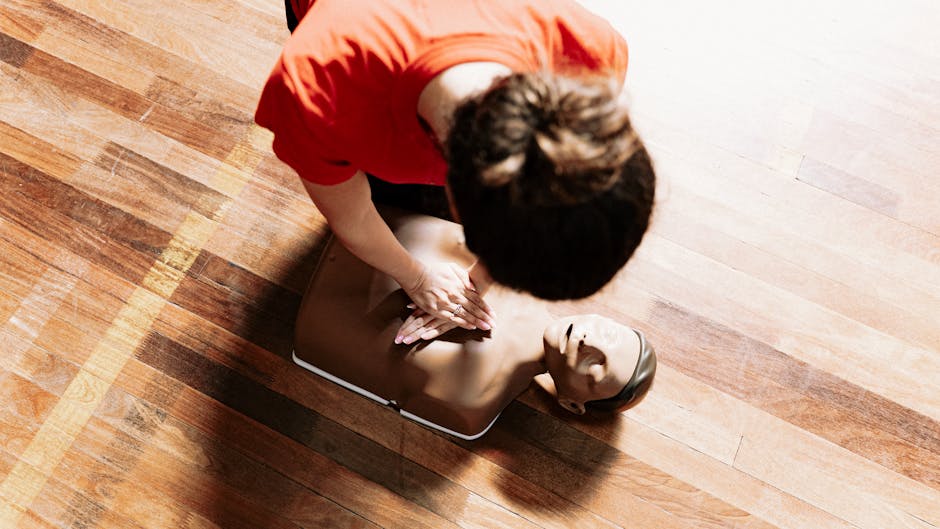
CPR combines chest compressions and rescue breaths to restore blood circulation and breathing in a person who has stopped breathing or whose heart has stopped beating. The procedure is straightforward but requires training to ensure it is performed correctly. For adults, the recommended method is the “hands-only” CPR, which emphasizes chest compressions without the need for rescue breaths.
According to the American Heart Association, the steps for performing hands-only CPR are simple: call for emergency help, place the heel of one hand on the center of the chest and the other hand on top, and push down hard and fast at a rate of 100 to 120 compressions per minute.
Learning CPR is vital not only for healthcare professionals but also for the general public. Studies show that bystanders who perform CPR can double or triple a victim’s chance of survival, making it a crucial skill that everyone should possess.
The Statistics Behind CPR
The statistics surrounding cardiac arrest are sobering. In the United States alone, nearly 350,000 out-of-hospital cardiac arrests occur annually. Research indicates that the survival rate for these incidents is only about 10%, primarily due to delays in receiving immediate care. When CPR is administered promptly, however, this figure can rise dramatically.
In a study published in the Journal of the American Medical Association, researchers found that survival rates increased significantly when bystanders initiated CPR before emergency services arrived. This highlights the need for widespread education and training in CPR to empower individuals to act quickly in emergencies.
Furthermore, the implementation of community-based CPR training programs has been shown to enhance awareness and increase the number of individuals who can provide assistance in critical situations.
How to Get CPR Certified
Obtaining CPR certification is a practical step anyone can take to prepare for emergencies. Numerous organizations offer CPR training courses, ranging from basic to advanced levels. Many of these courses provide hands-on practice, which is crucial for mastering the technique.
For those looking to get certified, consider enrolling in a course that also covers first aid and automated external defibrillator (AED) use. These skills complement CPR and can provide a comprehensive approach to emergency response.
In cities like Stockholm, various institutions offer CPR training, including specialized classes such as HLR kurs Stockholm, which cater to different skill levels and needs. Investing a few hours in training can equip you with the skills needed to save a life.
The Role of CPR in Public Health
CPR training is not just an individual responsibility; it plays a critical role in public health. Communities that prioritize CPR education tend to have higher survival rates from cardiac arrests. Public health campaigns aimed at increasing awareness and promoting training are essential in creating a culture of preparedness.
Moreover, teaching CPR in schools can instill life-saving skills in young people, preparing them to respond effectively in emergencies. Programs that integrate CPR training into school curricula are gaining traction and are a promising way to ensure that future generations are equipped to handle such situations.
Healthcare providers and community leaders must collaborate to make CPR training accessible to everyone, especially in underserved areas where awareness may be lower.
Conclusion: Taking Action
CPR is a vital skill that everyone should learn. With the potential to save lives during emergencies, understanding how to perform CPR correctly can empower individuals to act decisively when it matters most. As the statistics show, the difference between life and death can often come down to the actions of bystanders who are trained in CPR.
By taking the initiative to learn and promote CPR training within communities, we can enhance public health outcomes and ensure that more people are prepared to respond in emergencies. Whether you’re a healthcare professional or a concerned citizen, investing time in CPR education is a step toward a safer society.