
In today’s digital age, a well-designed website is essential for any business or individual looking to make an impact online. Web design is not just about aesthetics; it encompasses functionality, user experience, and even marketing strategies. As we delve into the various aspects of web design, we will explore its importance, key elements, and the latest trends that are shaping the future of digital interaction.
Understanding the Importance of Web Design
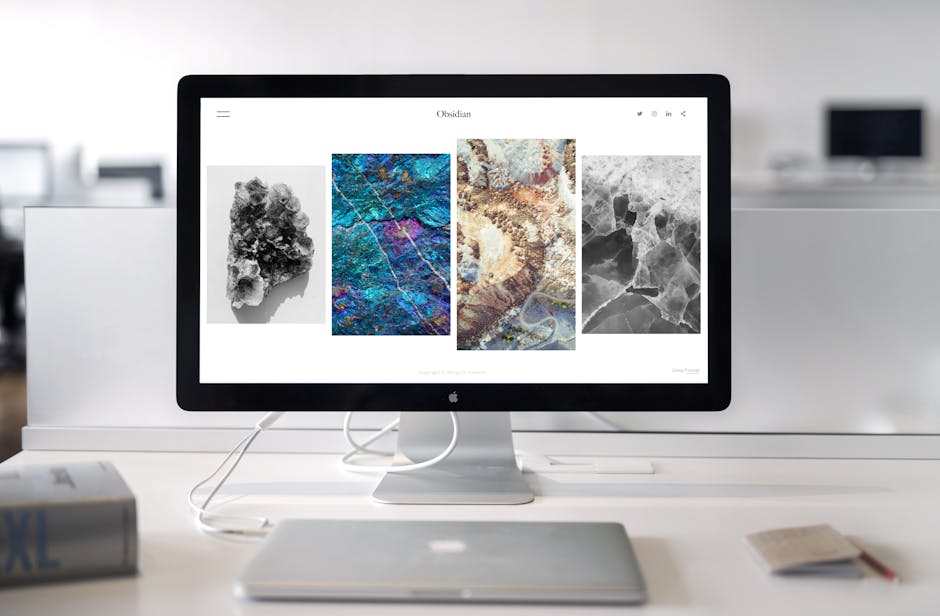
Web design serves as the backbone of any online presence. A website is often the first point of interaction between a brand and its audience. According to a study by Stanford University, 75% of users admit to making judgments about a company’s credibility based on their website’s design. This statistic underscores the critical role that design plays in establishing trust and engaging visitors.
Moreover, effective web design can significantly enhance user experience (UX). A site that is easy to navigate and visually appealing encourages users to spend more time exploring its content. This increased engagement can lead to higher conversion rates, ultimately driving business success.
Furthermore, search engines like Google consider design elements when determining a website’s ranking. A mobile-responsive design, for instance, is crucial in today’s mobile-first world, as it influences not only user experience but also SEO performance.
Key Elements of Effective Web Design
When it comes to web design, several key elements contribute to a successful online presence. These include layout, color scheme, typography, and imagery. Each of these components plays a vital role in creating a cohesive and visually appealing website.
The layout of a website dictates how information is organized and presented. A clean, structured layout ensures that users can easily find what they are looking for. Grid systems are commonly employed to create a balanced and harmonious design.
Color schemes also significantly impact user perception. Colors evoke emotions and can influence user behavior. For example, blue is often associated with trust and dependability, making it a popular choice for financial institutions. Understanding color psychology can help designers select the right palette for their target audience.
Typography is another crucial aspect of web design. The right font can enhance readability and convey a brand’s personality. A combination of font styles, sizes, and weights can create a visual hierarchy that guides users through the content.
Lastly, imagery is essential for engaging users. High-quality images and graphics can capture attention and complement the overall design. However, it’s important to optimize these elements to ensure fast loading times and minimize bounce rates.
The Role of User Experience in Web Design
User experience (UX) is at the heart of effective web design. A website that prioritizes UX will not only attract visitors but also retain them. Key principles of UX design include usability, accessibility, and interaction design.
Usability refers to how easily users can navigate a website and accomplish their goals. Conducting user testing can provide valuable insights into potential pain points and areas for improvement. Accessibility ensures that all users, including those with disabilities, can access and enjoy the content. This can involve implementing features such as alt text for images and ensuring proper color contrast.
Interaction design focuses on how users engage with a website. This includes elements like buttons, forms, and animations. Well-designed interactive elements can enhance the user experience and encourage desired actions, such as signing up for a newsletter or making a purchase.
Current Trends in Web Design
The world of web design is constantly evolving, with new trends emerging regularly. One notable trend is the use of minimalism, where designers focus on essential elements and eliminate clutter. This approach not only enhances visual appeal but also improves site performance.
Another trend is the integration of bold typography and vibrant colors. As brands aim to stand out in a crowded digital landscape, striking visuals can effectively capture attention and convey messages.
Additionally, the rise of dark mode has transformed how websites are designed. This feature not only reduces eye strain but also provides a sleek, modern aesthetic that many users prefer. Websites that offer a dark mode option can enhance user satisfaction and engagement.
Furthermore, the use of dynamic content, such as animations and interactive elements, is on the rise. These features can create immersive experiences that captivate users and encourage them to explore further.
Future of Web Design
As technology continues to advance, the future of web design looks promising. Emerging technologies such as artificial intelligence (AI) and virtual reality (VR) are expected to revolutionize how websites are created and experienced. AI can assist in personalizing user experiences, while VR can offer immersive interactions that were previously unimaginable.
Moreover, the importance of responsive design will only grow as more users access the internet through various devices. Websites must adapt to different screen sizes and resolutions to ensure a seamless experience across all platforms.
As we move forward, web designers will need to stay ahead of trends and embrace new technologies to create engaging and effective websites. Continuous learning and adaptation will be key to success in this ever-evolving field.
In conclusion, the art and science of web design encompass a multitude of factors that contribute to creating compelling online experiences. By understanding the importance of effective design, key elements, user experience, current trends, and the future landscape, designers can craft websites that not only attract visitors but also foster lasting connections. To learn more about how to enhance your web design skills, you can visit https://digitalheroes.co.in.