
Perfume is more than just a pleasant scent; it is a complex art that combines chemistry, creativity, and emotions. Throughout history, fragrances have played a significant role in cultures worldwide, influencing personal identity and social status. This article explores the multifaceted world of perfume, delving into its history, the science behind fragrance creation, and tips for selecting the perfect scent.
A Brief History of Perfume
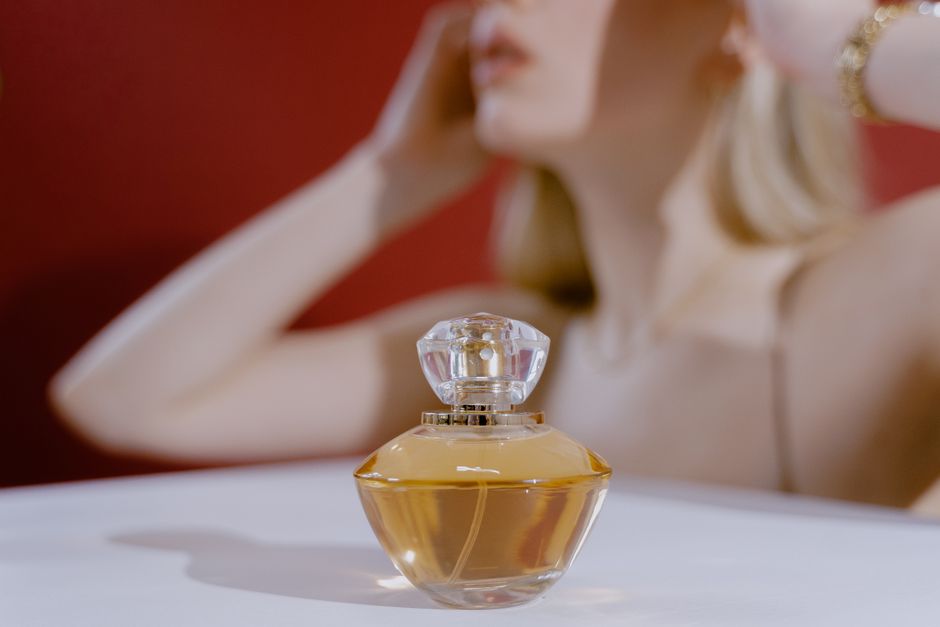
The origins of perfume can be traced back to ancient civilizations, where it was used in religious ceremonies and as a status symbol. The Egyptians are often credited with being the first to distill fragrances, using natural ingredients like flowers, herbs, and spices. As trade routes expanded, the art of perfumery spread to Greece and Rome, where fragrances became integral to daily life and luxury.
During the Middle Ages, perfume took on a new significance, particularly in Europe. It was used to mask unpleasant odors in both people and surroundings. The Renaissance saw a resurgence of interest in perfume, leading to the development of more sophisticated techniques for fragrance extraction and blending. Today, the perfume industry is a billion-dollar market, with countless brands and variations available.
The Science Behind Perfume Creation
At its core, perfumery is a blend of art and science. The creation of a fragrance involves understanding the chemistry of scent molecules, which are categorized into three main notes: top, middle, and base. Top notes are the first impressions of a fragrance, often fresh and citrusy, while middle notes form the heart of the scent, providing depth. Base notes are the lasting elements, usually richer and more robust.
Perfumers, also known as ‘noses,’ undergo extensive training to develop their skills in blending these notes harmoniously. They work with a wide array of natural and synthetic ingredients, each contributing unique characteristics to the final product. For example, the use of ingredients like vanilla or sandalwood can evoke warmth and comfort, while floral notes such as jasmine or rose can create a sense of romance.
Choosing the Right Perfume for You
Selecting the perfect perfume can be a daunting task, given the vast array of options available. To find a fragrance that resonates with you, consider your personal preferences and lifestyle. Do you prefer light, airy scents, or are you drawn to deeper, more complex fragrances? Testing various scents on your skin can also help you determine how they interact with your body chemistry.
Another important factor to consider is the occasion. Some fragrances are better suited for daytime wear, while others may be more appropriate for evening events. Additionally, layering scents can create a unique signature fragrance that reflects your personality. For instance, combining a floral scent with a warm base note can produce a captivating effect.
When exploring different brands, consider trying offerings from Maison Francis Kurkdjian (MFK), known for their luxurious and sophisticated fragrances. Each scent is crafted with meticulous attention to detail, ensuring a high-quality experience.
The Cultural Significance of Fragrance
Perfume holds cultural significance across various societies, often symbolizing identity, tradition, and even spirituality. In many cultures, specific scents are associated with rituals, celebrations, or personal milestones. For example, in some Middle Eastern cultures, the use of oud—a rich and woody fragrance—is deeply rooted in tradition and is often gifted during special occasions.
Moreover, the popularity of fragrances can differ greatly around the world, influenced by climate, lifestyle, and cultural norms. For instance, lighter scents are preferred in warmer climates, while richer, spicier fragrances may be favored in cooler regions. This diverse range of preferences highlights the complex relationship between scent and human experience.
Conclusion
Perfume is a captivating blend of art and science, with a rich history and significant cultural implications. From its ancient origins to modern-day luxury brands, fragrance continues to play an essential role in human life. By understanding the elements that contribute to a fragrance and considering personal preferences, anyone can find a scent that speaks to their individuality. Whether for personal use or as a thoughtful gift, perfume remains a timeless expression of identity and emotion.