
In recent years, organic farming has gained significant traction, driven by increasing consumer demand for healthier food options and a desire for more sustainable agricultural practices. As more farmers transition to organic methods, understanding the necessary supplies for organic farming becomes crucial. This article delves into the essential organic farming supplies, their benefits, and how they contribute to successful crop production.
Understanding Organic Farming Supplies
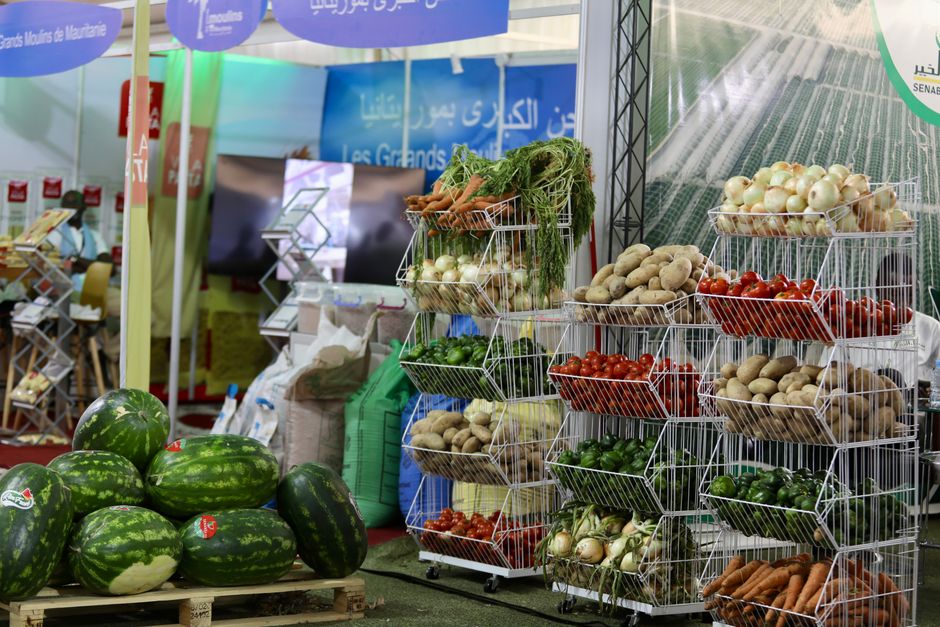
Organic farming supplies refer to the materials and resources required to cultivate crops without the use of synthetic fertilizers, pesticides, or genetically modified organisms (GMOs). These supplies are designed to promote soil health, enhance biodiversity, and ensure sustainable farming practices. Key supplies include organic seeds, natural fertilizers, pest control solutions, and soil amendments.
Organic seeds are the foundation of any organic farm. They are sourced from plants that have been grown according to organic standards and are vital for maintaining the integrity of organic crops. Additionally, natural fertilizers, such as compost, manure, and green manure, enrich the soil with essential nutrients without harming the environment.
The Importance of Quality Organic Seeds
Choosing the right organic seeds is fundamental to the success of organic farming. High-quality seeds not only yield better crops but also resist pests and diseases more effectively. For instance, heirloom varieties often have better flavor and nutritional content compared to their conventional counterparts. Farmers are encouraged to source seeds from reputable suppliers who can guarantee their organic status.
Moreover, certain organic farming supplies focus on promoting seed germination and plant growth. For example, organic seed inoculants can enhance soil microbial activity, leading to improved nutrient uptake by plants. This approach ultimately contributes to stronger and more resilient crops.
Natural Fertilizers: A Sustainable Alternative
Natural fertilizers are an integral part of organic farming supplies. Unlike synthetic fertilizers, which can deplete soil health over time, organic fertilizers enrich the soil and support its ecosystem. Compost, for instance, is a rich source of nutrients and beneficial microbes that improve soil structure and fertility.
According to research, organic matter from compost can increase soil moisture retention by up to 30%. This is particularly beneficial in regions prone to drought. Additionally, organic fertilizers release nutrients slowly, providing a steady supply to plants and reducing the risk of nutrient runoff into nearby waterways.
Pest Management in Organic Farming
Effective pest management is crucial for maintaining healthy crops in organic farming. The supplies used for pest control in organic farming differ significantly from conventional methods. Organic farmers often rely on natural predators, traps, and organic-approved pesticides derived from natural sources.
For example, introducing ladybugs can help control aphid populations, while neem oil can be used as a natural pesticide. These methods not only protect crops but also maintain the ecological balance in the farming environment. Furthermore, using organic pest control methods minimizes the risk of chemical residues in food, ensuring consumer safety.
Soil Amendments for Enhanced Crop Performance
Soil health is a cornerstone of successful organic farming. Soil amendments, such as lime, gypsum, and rock phosphate, play a significant role in improving soil quality. These amendments help adjust soil pH, increase nutrient availability, and enhance microbial activity.
For instance, applying lime can raise the pH of acidic soils, making essential nutrients more accessible to plants. Additionally, incorporating organic matter, such as aged manure or compost, can significantly improve soil structure and fertility. According to the USDA, healthy soils can increase crop yields by up to 20%.
Farmers are encouraged to conduct regular soil tests to determine the specific amendments needed for their land. By understanding their soil’s nutrient profile, farmers can tailor their use of organic farming supplies to maximize crop production.
Conclusion: Building a Sustainable Future with Organic Farming Supplies
In conclusion, the right organic farming supplies play a vital role in establishing a successful and sustainable agricultural practice. By focusing on quality organic seeds, natural fertilizers, effective pest management, and soil amendments, farmers can cultivate healthy crops while preserving the environment. As the demand for organic produce continues to rise, investing in these essential supplies will not only benefit farmers but also contribute to a more sustainable and healthier food system. For those looking to source their organic farming supplies, there are numerous reputable suppliers that offer a variety of products tailored to the needs of organic farmers.