
The pursuit of flawless skin has led to an explosion of skincare treatments, with chemical peels emerging as a popular option. This treatment has gained traction for its ability to address a variety of skin concerns, including acne scars, sun damage, and uneven skin tone. But what exactly is a chemical peel? How does it work, and what should you expect from the treatment? In this article, we delve deep into the world of chemical peels, exploring their benefits, types, and the expected results.
Understanding Chemical Peels
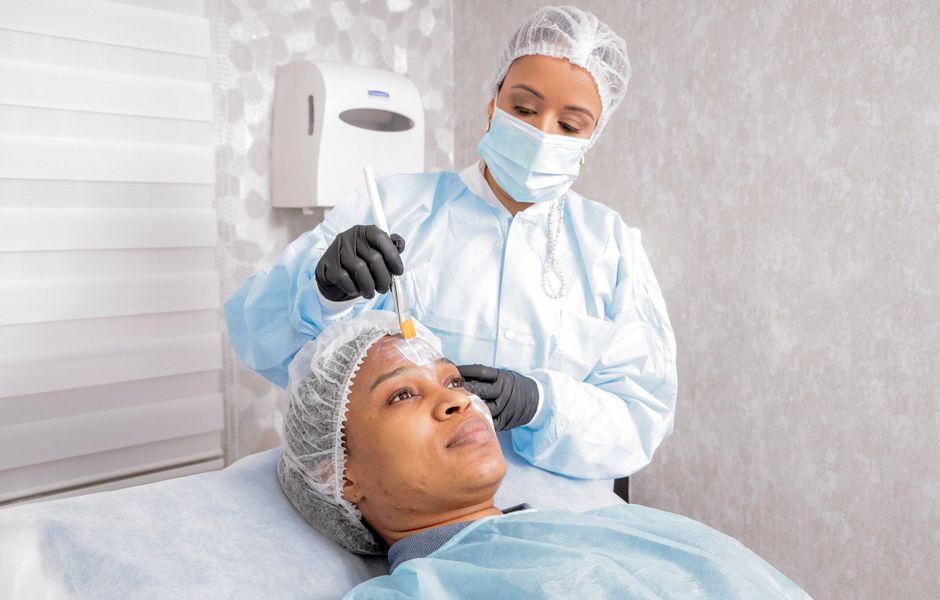
A chemical peel is a cosmetic treatment that involves the application of a solution to the skin, which exfoliates and removes damaged outer layers. The skin then regenerates, revealing a fresher and more youthful appearance. This process can be tailored to different skin types and concerns, making it a versatile option for many.
The primary purpose of a chemical peel is to improve skin texture and tone. It can help reduce the appearance of fine lines, wrinkles, and age spots, and is often used to treat sun-damaged skin. Additionally, chemical peels can be effective in managing acne and minimizing large pores.
While chemical peels are generally safe, it is crucial to consult with a qualified dermatologist to determine the suitability of the treatment for your skin type. They will assess your skin condition and recommend the most appropriate type of peel.
Types of Chemical Peels
There are three main types of chemical peels: superficial, medium, and deep. Each type varies in terms of the depth of penetration into the skin and the level of exfoliation achieved.
Superficial peels use mild acids, such as alpha-hydroxy acids (AHAs), to gently exfoliate the outer layer of skin. These peels require little to no downtime and are often used for routine maintenance. They are ideal for individuals looking to refresh their skin without significant side effects.
Medium peels penetrate deeper into the skin using trichloroacetic acid (TCA). These peels address more pronounced skin issues and typically require a few days of recovery. Patients can expect redness, swelling, and peeling after the treatment.
Deep peels, often performed with phenol, provide the most significant results and can treat severe skin imperfections. However, they also come with a longer recovery time and potential risks, making them suitable for more severe cases.
The Benefits of Chemical Peels
One of the most appealing aspects of chemical peels is their ability to provide noticeable results with relatively minimal invasiveness. Many patients report improvements in skin texture, radiance, and overall appearance after just one session.
Moreover, chemical peels can stimulate collagen production, which is essential for maintaining skin elasticity and firmness. This means that not only can chemical peels address existing skin concerns, but they can also help prevent future signs of aging.
Another benefit is customization. Dermatologists can tailor the chemical peel solution to address specific skin concerns and types, ensuring that patients receive a treatment that is both effective and safe.
For those considering this treatment, it’s important to maintain realistic expectations. While many patients see significant improvements, individual results can vary based on skin type, treatment depth, and adherence to post-treatment care.
What to Expect During and After the Treatment
The chemical peel procedure typically begins with a thorough cleansing of the skin. The dermatologist will then apply the chemical solution, which may cause a tingling or burning sensation. The duration of the treatment can vary based on the type of peel being administered.
After the peel, patients may experience redness, swelling, and peeling, especially with medium and deep peels. The recovery period can range from a few days to several weeks, depending on the depth of the peel and individual healing processes.
Post-treatment care is crucial for optimal results. Patients are advised to keep their skin moisturized, avoid sun exposure, and follow any specific instructions provided by their dermatologist. It is also essential to avoid harsh skincare products during the healing process.
Is a Chemical Peel Right for You?
Determining whether a chemical peel is appropriate for you involves considering your skin type, concerns, and treatment goals. Individuals with sensitive skin, certain skin conditions, or those who are pregnant may need to explore alternative treatments.
Consulting with a dermatologist is the best way to assess your options. They can provide insights into the various types of chemical peels and help you understand what to expect from the treatment.
For those interested in learning more about the benefits and processes involved, you can explore resources about chemical peel treatment, which offer valuable information on this popular skincare procedure.
Conclusion
Chemical peels can be an effective and transformative treatment for those looking to improve their skin’s appearance and texture. By understanding the different types of peels, their benefits, and what to expect during the process, individuals can make informed decisions about their skincare journeys. Ultimately, a thorough consultation with a qualified professional is essential to ensure that the chosen treatment aligns with one’s specific needs and goals.