The restaurant industry has witnessed significant transformations in recent years, mainly driven by technological advancements. Among these innovations, the restaurant Point of Sale (POS) system stands out as a pivotal tool for enhancing operational efficiency and improving customer experiences. In this article, we will explore the essential features of restaurant POS systems, their benefits, and how they can reshape the dining experience for both restaurateurs and customers.
Understanding Restaurant POS Systems
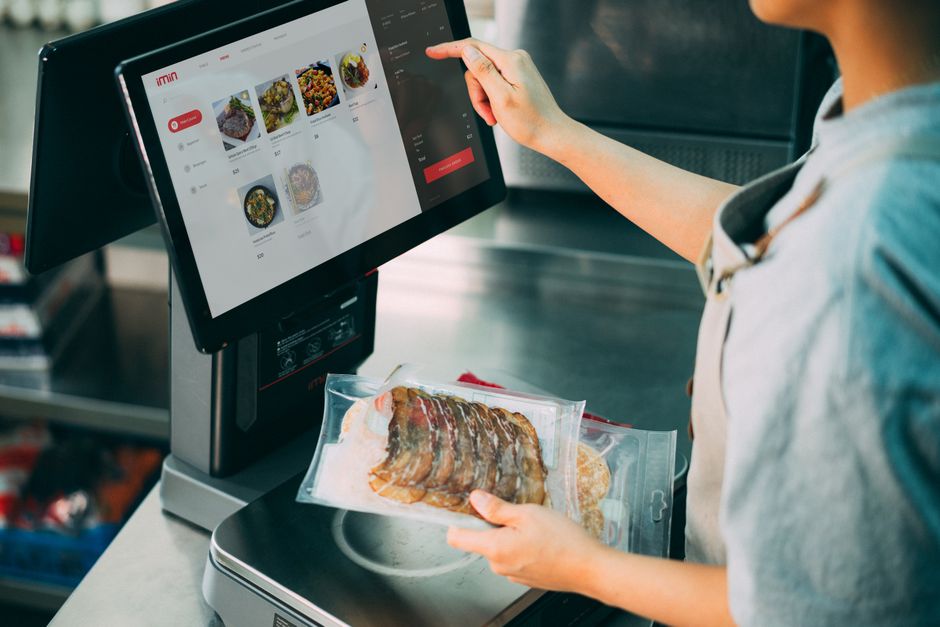
At its core, a restaurant POS system is a combination of hardware and software that facilitates the management of various restaurant operations. These systems typically include a cash register, a computer, and software that helps in processing transactions, managing inventory, and generating sales reports. A modern restaurant POS system goes beyond simple transaction processing; it integrates various functionalities that streamline operations.
The evolution of POS systems has led to the introduction of cloud-based solutions, allowing restaurant owners to access real-time data from anywhere. This flexibility enables better decision-making and enhances the ability to respond to changing market conditions.
Key Features of Modern POS Systems
Modern restaurant POS systems are equipped with a plethora of features designed to improve operational efficiency. One of the most significant features is table management, which allows servers to manage reservations and table assignments seamlessly. This not only enhances customer satisfaction but also maximizes the restaurant’s capacity.
Another critical feature is inventory management. A sophisticated POS system can track inventory levels in real-time, alerting managers when stock is low. This reduces waste and ensures that popular dishes remain available, thus improving overall customer satisfaction.
Additionally, integrated payment processing within the POS system allows for quick and secure transactions, reducing wait times for customers and streamlining the checkout process.
The Benefits of Implementing a POS System
Implementing a robust POS system offers numerous benefits to restaurant owners. Firstly, it enhances operational efficiency by automating routine tasks. For example, instead of manually tracking sales and inventory, the POS system does this automatically, allowing staff to focus on providing excellent service.
Moreover, POS systems provide valuable data analytics that can inform strategic decisions. By analyzing sales trends, restaurant owners can identify popular menu items, optimize pricing strategies, and tailor marketing efforts. This data-driven approach can lead to increased sales and improved profitability.
Furthermore, a POS system can enhance customer experience. With features like loyalty programs and personalized marketing, restaurants can foster customer loyalty and encourage repeat business.
Challenges and Considerations
Despite the numerous advantages, adopting a restaurant POS system is not without challenges. One of the primary concerns is the cost of implementation. Restaurant owners must consider the initial investment in hardware and software, as well as ongoing maintenance costs.
Additionally, staff training is crucial to ensure that employees can effectively use the new system. Without proper training, the benefits of the POS system may not be fully realized, leading to frustration among staff and customers alike.
Another consideration is data security. As POS systems collect sensitive customer information, restaurant owners must implement robust security measures to protect this data from potential breaches.
The Future of Restaurant POS Systems
The future of restaurant POS systems looks promising, with continuous advancements in technology. Features like artificial intelligence (AI) and machine learning are expected to play a significant role in the evolution of these systems. For instance, AI can help predict customer preferences based on past orders, allowing for a more personalized dining experience.
Moreover, as the industry moves towards contactless payments, POS systems are likely to adapt to include more mobile payment options, catering to the changing preferences of consumers.
In conclusion, the integration of a restaurant POS system is no longer optional but essential for modern dining establishments. From improving operational efficiency to enhancing customer experiences, the benefits are substantial. As technology continues to evolve, restaurant owners should stay informed and consider how these systems can be leveraged to stay competitive in a rapidly changing market.
Conclusion
In summary, a restaurant POS system is a transformative tool that can significantly enhance the operations of a dining establishment. By understanding its features, benefits, and challenges, restaurant owners can make informed decisions that lead to improved efficiency and customer satisfaction. Embracing this technology not only streamlines operations but also positions restaurants for future success in an increasingly digital world.