
Handmade pizza is more than just a dish; it’s a culinary art that combines passion, skill, and creativity. From the selection of fresh ingredients to the technique of stretching the dough, each step is crucial in creating the perfect slice. In this article, we’ll explore the world of handmade pizza, its history, techniques, and tips for making your own at home.
A Brief History of Pizza
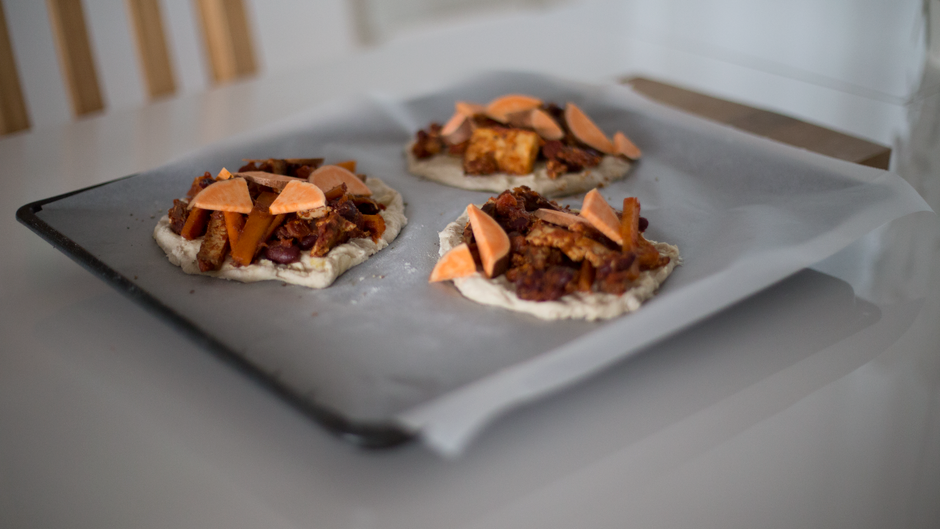
The origins of pizza can be traced back to ancient civilizations, but it was in Naples, Italy, that the modern pizza as we know it was born. The classic Margherita pizza, with its simple toppings of tomatoes, mozzarella cheese, and fresh basil, was created in the late 19th century. This dish quickly gained popularity and spread across the globe, evolving into countless variations.
Today, handmade pizza is celebrated for its artisanal qualities. Unlike mass-produced varieties, handmade pizza emphasizes freshness and quality. The dough is often made from scratch, using high-quality flour, water, yeast, and salt. This attention to detail sets handmade pizza apart from its commercial counterparts.
The Dough: The Foundation of Great Pizza
The dough is arguably the most important element in handmade pizza. A good pizza dough should be light, airy, and flavorful. To achieve this, it’s essential to use high-protein flour, which helps develop gluten, giving the dough structure. The fermentation process is also crucial; allowing the dough to rise slowly enhances its flavor.
When making dough, the ingredients should be mixed until they form a cohesive ball, then kneaded for about 10 minutes. After this, let it rest for at least an hour, or ideally overnight in the refrigerator. This slow fermentation process allows the flavors to develop, resulting in a superior crust.
Choosing the Right Toppings
One of the joys of making handmade pizza is the freedom to choose your own toppings. While traditional toppings like pepperoni and mushrooms are always popular, the possibilities are endless. Fresh vegetables, gourmet cheeses, and unique sauces can transform a simple pizza into a culinary masterpiece.
When selecting toppings, it’s important to consider balance. A good pizza should have a harmonious combination of flavors and textures. For instance, if you’re using a rich cheese, pair it with lighter toppings like fresh herbs or arugula. Additionally, avoid overloading your pizza, as too many toppings can lead to a soggy crust.
Cooking Techniques for the Perfect Pizza
Cooking your pizza correctly is vital for achieving that perfect crust. Many people opt for a traditional pizza oven, which can reach high temperatures and create a crisp, charred crust. However, not everyone has access to one at home. A regular oven can still produce great results with the right techniques.
Preheat your oven to its highest setting, ideally around 500°F (260°C). Use a pizza stone or steel, which helps distribute heat evenly and absorb moisture. This will help achieve a crispy crust. Once the pizza is assembled, slide it onto the preheated stone and bake for about 10-12 minutes, or until the crust is golden brown and the cheese is bubbling.
Making Handmade Pizza at Home
Creating handmade pizza at home can be a rewarding experience. Start by gathering your ingredients and equipment. You’ll need flour, yeast, salt, water, and your choice of toppings. Additionally, invest in a good pizza stone and a pizza peel for the best results.
Begin by preparing your dough according to the previous section. Once the dough has risen, stretch it out on a floured surface, taking care not to deflate it completely. Add your sauce, cheese, and toppings, and then it’s time to bake. Remember, practice makes perfect, so don’t be discouraged if your first attempts aren’t flawless.
For those looking for inspiration, many pizzerias and restaurants offer classes on making handmade pizza. This can be an excellent way to learn from professionals and refine your skills. In fact, some places even combine pizza making with wine tasting or other culinary experiences, making it a fun outing.
For a touch of luxury, consider pairing your handmade pizza with a fine wine or craft beer. The right beverage can elevate your dining experience and enhance the flavors of your pizza.
Whether you’re a pizza novice or a seasoned chef, the journey of making handmade pizza is both enjoyable and delicious. Each slice is a testament to your effort and creativity, making it a dish that brings people together.
For those interested in exploring gourmet pizza options, many restaurants now offer a range of unique flavors and styles. One such example is LUXURY 777, which prides itself on using high-quality ingredients and innovative recipes to create unforgettable pizza experiences.
Conclusion
Handmade pizza is a delightful fusion of art and science. By mastering the dough, selecting the right toppings, and employing proper cooking techniques, anyone can create a delicious pizza that rivals those found in the best pizzerias. Remember, the key is to experiment and enjoy the process. So gather your friends and family, and embark on a pizza-making adventure that will surely impress!