
Drain cleaning is often an overlooked aspect of home maintenance, yet it plays a crucial role in preserving the integrity of your plumbing system. Clogged drains can cause not only inconvenience but also significant damage if left untreated. In this guide, we will explore various methods for effective drain cleaning, the importance of regular maintenance, and when to call in the professionals.
Understanding the Importance of Drain Cleaning
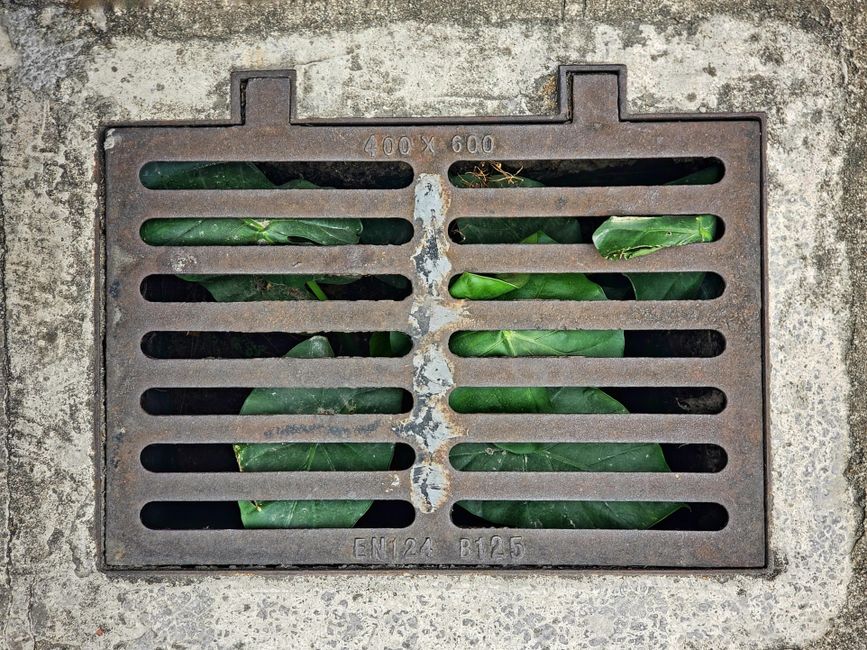
Regular drain cleaning is essential for several reasons. Firstly, it prevents the buildup of debris such as hair, soap scum, and food particles, which can lead to blockages. According to the American Society of Home Inspectors, nearly 80% of plumbing issues stem from clogged drains. Secondly, clean drains help maintain proper hygiene by preventing stagnant water that can attract pests and produce foul odors.
Moreover, taking care of your drains can prolong the lifespan of your plumbing system. When drains are regularly cleaned, it reduces the strain on pipes, minimizing the risk of leaks and breaks. For homeowners, investing time and resources into drain maintenance can save significant repair costs down the line.
Common Methods for Cleaning Drains
There are several methods available for cleaning drains, each with its own advantages. One of the most common techniques is the use of a drain snake, a flexible tool that can navigate through pipes to dislodge clogs. This method is particularly effective for hair and small debris.
Another popular approach is hydro jetting, which involves using high-pressure water jets to clear stubborn blockages. This technique is not only effective but also environmentally friendly, as it does not require the use of harsh chemicals. Hydro jetting can clear grease, tree roots, and other tough obstructions.
Chemical drain cleaners are also widely used, though they should be approached with caution. These products can be effective for minor clogs but may cause damage to pipes if used excessively. It is crucial to follow the manufacturer’s instructions and consider professional help for severe blockages.
Signs That Your Drains Need Cleaning
Being aware of the signs of clogged drains can help you address issues before they escalate. If you notice slow drainage in sinks or tubs, this is often the first indication of a problem. Additionally, gurgling sounds from your plumbing can suggest that air is trapped in the pipes due to a blockage.
Foul odors emanating from drains are another clear sign that cleaning is necessary. These smells can arise from decomposing food or stagnant water. If you experience recurring clogs in the same drain, it may be time to schedule a thorough cleaning or inspection.
When to Call in the Professionals
While many homeowners can handle basic drain cleaning, there are times when it is best to call in the experts. If you have tried multiple methods without success, or if the clog is deep within the plumbing system, it is wise to seek professional assistance. Experts can provide services such as video camera inspections to determine the exact location and cause of the blockage.
In some cases, recurring issues may indicate a larger problem, such as tree root infiltration or damaged pipes. Professional plumbers can address these issues effectively, ensuring that your drainage system is restored to optimal condition.
For residents in need of immediate assistance, services like Sewer repair Crown Point IN offer reliable and quick solutions to drainage problems.
Preventative Measures for Drain Maintenance
To avoid future clogs, implementing preventative measures is crucial. Regularly flushing drains with hot water can help break down grease and soap buildup. Additionally, using a drain strainer can catch debris before it enters the plumbing system.
Establishing a routine cleaning schedule, such as once every few months, can significantly reduce the likelihood of clogs. Home remedies, like baking soda and vinegar, can also be effective for maintaining clear drains. Simply pour baking soda followed by vinegar down the drain, let it sit for 30 minutes, and flush with hot water.
Moreover, educating family members about what should and shouldn’t go down the drain can prevent unnecessary blockages. Avoid flushing items like wipes, dental floss, and food scraps, which can contribute to clogs.
Conclusion
In conclusion, drain cleaning is a fundamental aspect of home maintenance that should not be neglected. Understanding the importance of regular cleaning, recognizing the signs of clogs, and knowing when to seek professional help can save homeowners time and money. By implementing effective cleaning techniques and preventative measures, you can ensure that your plumbing system remains healthy and functional for years to come.