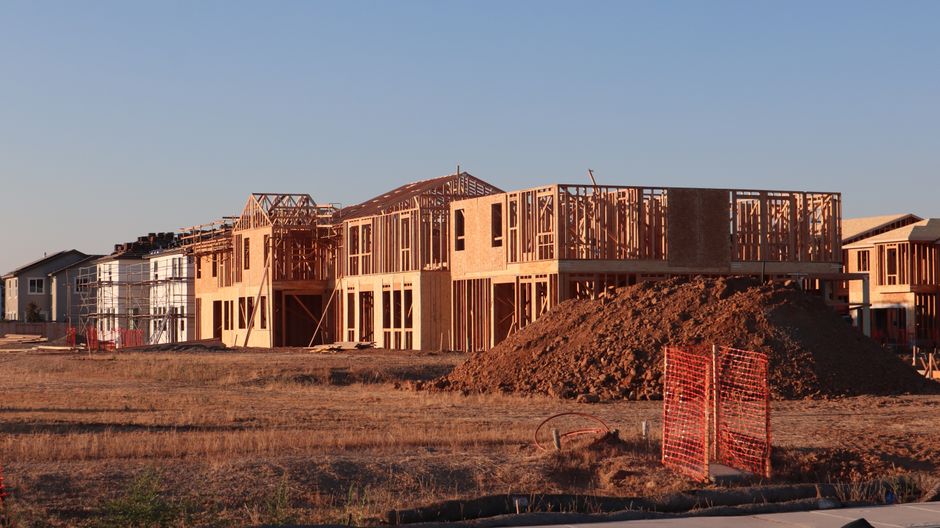
In recent years, the adoption of solar energy has surged, driven by a growing awareness of environmental sustainability and the need for renewable energy sources. As the technology becomes more affordable and accessible, many homeowners and businesses are considering solar panel installation as a viable option. This article will explore the fundamentals of solar panel installation, including its benefits, the installation process, and important considerations for prospective users.
Understanding Solar Energy
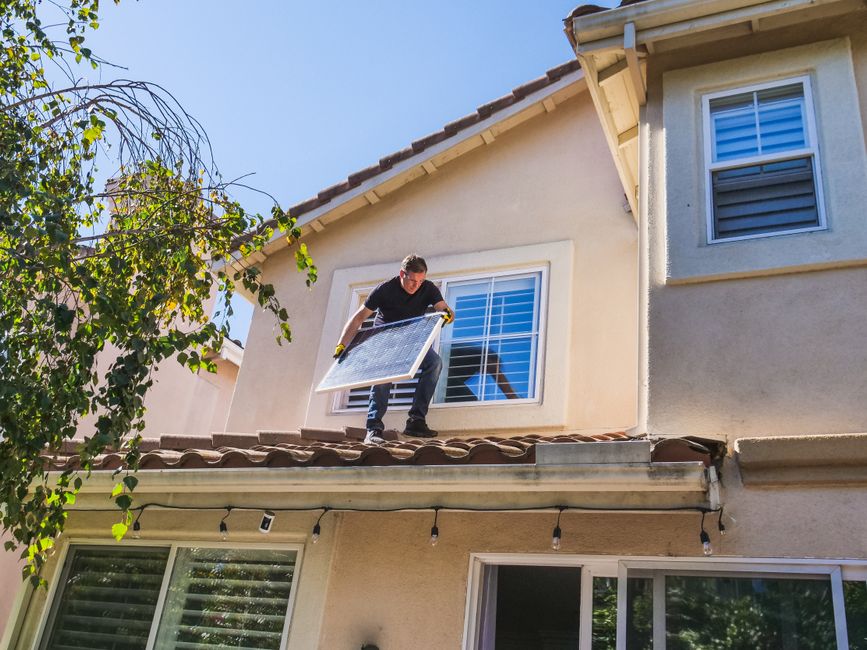
Solar energy harnesses the power of the sun to generate electricity. It is a clean, renewable source of energy that can significantly reduce electricity bills and carbon footprints. Solar panels, made up of photovoltaic cells, convert sunlight into usable electrical energy. According to the U.S. Department of Energy, the average cost of solar panels has dropped by nearly 70% since 2010, making it an increasingly popular choice for homeowners.
Implementing solar energy can also lead to significant long-term savings. A typical residential solar panel system can save homeowners thousands of dollars over its lifespan, which is usually around 25 years. Additionally, many governments offer tax incentives and rebates to encourage the adoption of solar technology, further enhancing its economic viability.
The Solar Panel Installation Process
Installing solar panels involves several key steps. First, a site assessment is conducted to determine the suitability of the location for solar energy generation. Factors such as roof orientation, shading, and structural integrity play a crucial role in the decision-making process. During this phase, a professional installer will evaluate the potential energy output and recommend the appropriate system size.
Once the assessment is complete, the next step is designing the solar panel system. This includes selecting the type of panels, inverters, and mounting systems that best fit the homeowner’s needs. After finalizing the design, the installation process can begin. It typically involves mounting the solar panels on the roof or ground, connecting the panels to an inverter, and setting up the necessary electrical connections.
Choosing the Right Solar Panel System
When selecting a solar panel system, it is essential to consider various factors. The efficiency of the solar panels, for instance, is crucial as it determines how much energy the system can generate. Higher efficiency panels may have a higher upfront cost but can lead to greater savings over time due to increased energy output.
Another consideration is the type of inverter used in the system. String inverters are common for residential systems, but microinverters offer better performance, especially in partially shaded conditions. Homeowners should also weigh the benefits of battery storage systems, which allow for energy use during non-sunny periods, enhancing the overall efficiency of the solar panel system.
Maintenance and Longevity of Solar Panels
Once installed, solar panels are generally low-maintenance. However, regular cleaning and inspections are recommended to ensure optimal performance. Dust, debris, and snow can accumulate on the panels, reducing their efficiency. A simple rinse with water or hiring a professional cleaning service can help maintain their performance.
The longevity of solar panels is another critical aspect. Most panels come with a warranty of 25 years, but they can last much longer with proper care. Regular monitoring of the system’s performance can help identify issues early, ensuring the panels operate efficiently throughout their lifespan.
The Future of Solar Energy
The future of solar energy looks promising. With advancements in technology, solar panels are becoming more efficient and less expensive. Innovations such as bifacial panels, which capture sunlight from both sides, and solar shingles, which integrate seamlessly with roofing materials, are paving the way for broader adoption.
As more individuals and businesses recognize the benefits of solar panel installation, the demand for renewable energy will continue to grow. This transition not only supports energy independence but also contributes to a more sustainable future for our planet.