When embarking on any construction or renovation project, one of the most crucial aspects to consider is the type of scaffolding you will need. Whether you are a contractor managing a large-scale project or a DIY enthusiast tackling a home improvement task, understanding scaffolding rental can significantly impact the efficiency and safety of your work. In this guide, we will explore the various facets of scaffolding rental, including types, benefits, and key considerations when renting scaffolding.
Understanding Scaffolding Types
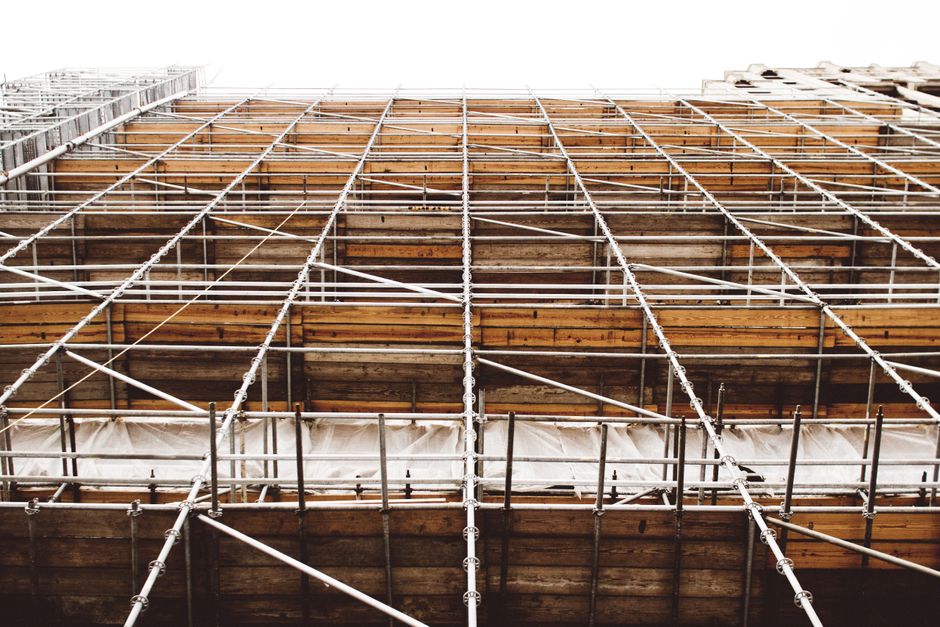
Scaffolding comes in various types, each designed for specific applications. The most common types include frame scaffolding, modular scaffolding, and suspended scaffolding. Frame scaffolding is widely used due to its versatility and ease of assembly. It is ideal for most construction sites, providing a stable platform for workers and materials.
Modular scaffolding, on the other hand, is designed for projects that require a more customized approach. It allows for flexibility in design and can be adapted to fit unique building structures. Suspended scaffolding is often used for high-rise buildings, where workers need to access elevated areas safely. Each type of scaffolding has its own advantages and is suited for different project requirements.
The Benefits of Renting Scaffolding
Renting scaffolding can offer numerous benefits for contractors and homeowners alike. Firstly, it eliminates the significant upfront costs associated with purchasing scaffolding equipment. This is particularly advantageous for short-term projects, where the cost of ownership would far exceed the rental fees.
Additionally, scaffolding rental services typically include maintenance, delivery, and setup, allowing you to focus on the actual work rather than logistics. Many rental companies also provide expert advice on the type of scaffolding that best suits your project needs, ensuring that you make informed decisions.
Key Considerations When Renting Scaffolding
Before renting scaffolding, there are several key factors to consider to ensure that you choose the right equipment for your project. First, evaluate the height and complexity of your project. This will help you determine the type of scaffolding you need and whether you require additional accessories such as guardrails or safety nets.
Next, consider the rental duration. Most rental companies offer flexible rental terms, from daily to monthly rates. Understanding your project’s timeline will help you avoid unnecessary costs associated with extended rental periods. Always inquire about the terms of the rental agreement, including any additional fees for late returns or damage.
Ensuring Safety and Compliance
Safety is paramount in any construction project, and scaffolding is no exception. When renting scaffolding, ensure that the equipment meets local safety standards and regulations. Most reputable rental companies will provide scaffolding that complies with industry safety guidelines.
It is also essential to train your team on proper scaffolding use, including how to assemble and disassemble the equipment safely. Regular inspections should be conducted to identify any wear or damage to the scaffolding. Following these safety protocols will help prevent accidents and ensure a smooth workflow on your construction site.
Conclusion: Making the Right Choice for Your Scaffold Rental Needs
In summary, scaffolding rental is a practical solution for construction projects of all sizes. By understanding the various types of scaffolding, the benefits of renting, and the key considerations involved, you can make informed decisions that enhance the safety and efficiency of your work. As you plan your next project, consider utilizing scaffolding rental services to ensure you have the right equipment to meet your needs.