
In the marine industry, the choice of a reliable engine supplier can significantly influence operational efficiency and overall performance. With numerous suppliers available, each offering various models and technologies, making an informed decision is essential. This article delves into the factors to consider when selecting a marine engine supplier, the types of engines available, and the importance of after-sales support.
Understanding Marine Engines
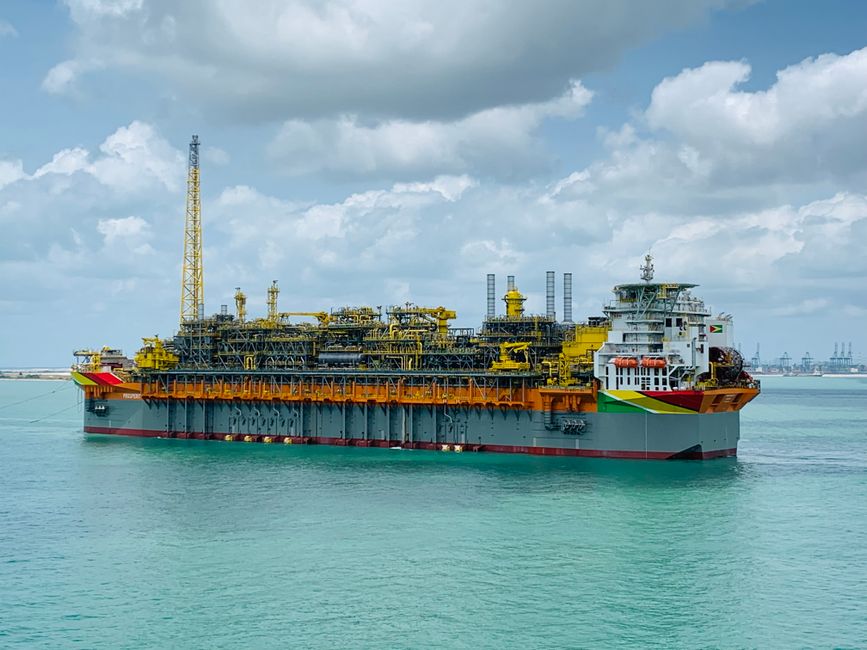
Marine engines are specialized engines designed for use in boats, ships, and other vessels. They differ from standard automotive engines due to their unique operational requirements, including durability, fuel efficiency, and the ability to perform under extreme conditions. The two main types of marine engines are inboard engines and outboard engines. Inboard engines are installed within the hull of the vessel and are typically used in larger boats, while outboard engines are mounted externally and are common in smaller boats.
Aside from the type, marine engines can be categorized based on their fuel type, including diesel and gasoline engines. Diesel engines are preferred for larger vessels due to their fuel efficiency and longevity. According to a report by the International Maritime Organization (IMO), diesel engines account for over 90% of the marine propulsion market. Understanding these distinctions is vital when evaluating potential suppliers.
Key Factors to Consider When Choosing a Supplier
When selecting a marine engine supplier, several crucial factors should be taken into account:
1. Reputation and Experience: A supplier’s reputation within the industry is a reliable indicator of their quality and reliability. Look for suppliers with a proven track record and positive customer testimonials. Suppliers with decades of experience are often better equipped to provide support and advice regarding engine selection and maintenance.
2. Product Range: A reputable marine engine supplier should offer a comprehensive range of products to meet diverse needs. This includes various engine types, sizes, and configurations. A wide selection allows customers to choose the best engine for their specific vessel and operational requirements.
3. Compliance with Regulations: The marine industry is subject to strict regulations regarding emissions and safety standards. Ensure that the supplier’s engines comply with local and international regulations, such as the IMO’s MARPOL regulations, which aim to minimize pollution from ships.
The Importance of After-Sales Support
After-sales support is a critical aspect often overlooked during the selection process. A strong after-sales service can significantly reduce downtime and maintenance costs. Here are some key components of after-sales support:
1. Technical Support: Suppliers should offer technical assistance to help troubleshoot issues that may arise during operation. This can be in the form of a dedicated support hotline or on-site servicing.
2. Spare Parts Availability: Ensure that the supplier can provide spare parts promptly. Delays in obtaining spare parts can lead to extended downtimes, affecting operational efficiency.
3. Training and Resources: Some suppliers offer training programs for technicians and operators to ensure proper handling and maintenance of the engines. Access to resources such as manuals and online tutorials can also be beneficial.
Evaluating Cost vs. Value
When considering a marine engine supplier, it is important to evaluate the cost of the engines and services against the value they provide. While it may be tempting to choose the lowest-priced option, factors such as durability, fuel efficiency, and support should also be considered. Investing in a high-quality engine may result in lower operational costs over time due to reduced fuel consumption and fewer repairs.
Additionally, understanding the total cost of ownership, which includes maintenance, fuel, and possible downtime, can provide a clearer picture of overall expenses. According to industry estimates, the total cost of ownership for marine engines can vary significantly based on the supplier and engine type.
Conclusion: Making an Informed Choice
Choosing the right marine engine supplier is a decision that can impact the success of marine operations. By understanding the different types of marine engines, evaluating potential suppliers based on their reputation, product range, and after-sales support, and considering the total cost of ownership, marine operators can make informed choices that enhance performance and reliability. As the industry evolves, staying updated on the latest technologies and regulations will further aid in making the best selection. For those looking for a reputable marine engine supplier, it is crucial to conduct thorough research and seek professional advice to ensure optimal outcomes.