
In today’s data-driven world, businesses are inundated with vast amounts of information. This influx of data presents both a challenge and an opportunity. Companies that harness the power of data analytics software can gain valuable insights, streamline operations, and make informed strategic decisions. But what exactly is data analytics software, and how can it revolutionize the way businesses operate?
Understanding Data Analytics Software
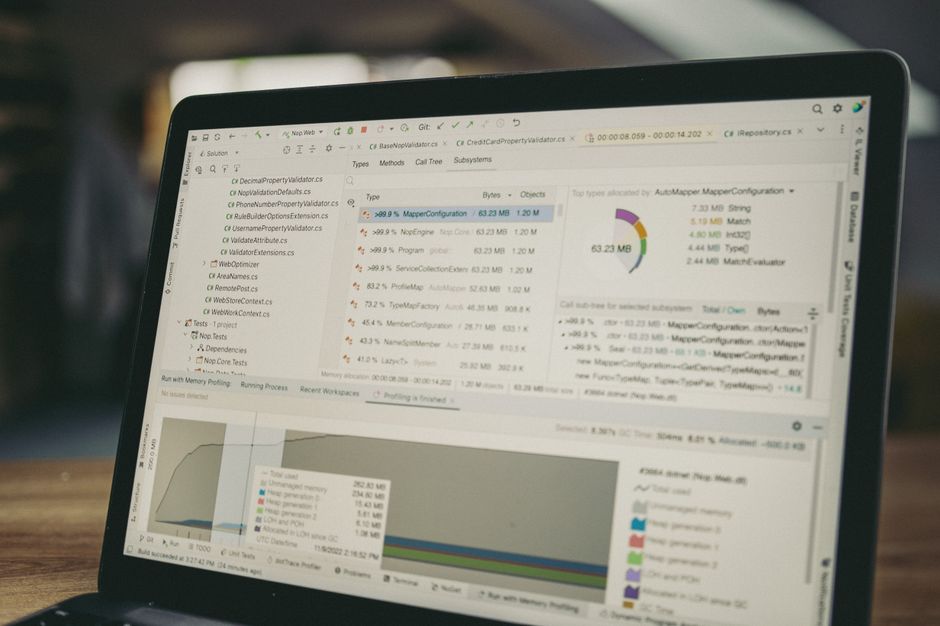
Data analytics software refers to tools and applications that enable organizations to collect, process, and analyze data. These tools help in transforming raw data into meaningful insights that can drive decision-making processes. Whether it’s through predictive analytics, statistical analysis, or data visualization, data analytics software plays a crucial role in modern business strategies.
There are various types of data analytics software available, catering to different business needs. From simple spreadsheet applications to complex machine learning frameworks, the landscape is diverse. However, what remains constant is the goal of these tools: to convert data into actionable insights.
According to a recent study, businesses that utilize data analytics software are 5 times more likely to make faster decisions compared to those that do not. This advantage can lead to improved operational efficiency and a better understanding of market trends.
Key Features of Effective Data Analytics Software
When selecting data analytics software, businesses should consider several key features. First and foremost is data integration. Effective software should be able to seamlessly integrate with existing data sources, whether they be databases, cloud services, or other applications.
Another critical feature is usability. The software should have an intuitive interface that allows users to navigate and analyze data without requiring extensive technical knowledge. This accessibility is particularly important for organizations that want to democratize data access across departments.
Furthermore, powerful visualization capabilities are essential. Data analytics software should provide various visualization options, such as graphs, charts, and dashboards, to help users easily interpret data trends and patterns. For instance, a well-designed dashboard can provide real-time insights into key performance indicators (KPIs) at a glance.
Real-World Applications of Data Analytics Software
Many organizations have successfully leveraged data analytics software to drive growth and innovation. For example, retail giants like Amazon use data analytics to personalize customer experiences. By analyzing purchase history and browsing behavior, they can recommend products tailored to individual preferences, significantly boosting sales.
In the healthcare sector, data analytics software plays a pivotal role in improving patient outcomes. Hospitals utilize predictive analytics to forecast patient admissions, enabling them to allocate resources efficiently. A study revealed that hospitals implementing such analytics reduced patient wait times by 30%.
Additionally, financial institutions employ data analytics to detect fraud. By continuously analyzing transaction data, they can identify unusual patterns and flag potentially fraudulent activities in real-time, protecting both the institution and its customers.
Challenges in Implementing Data Analytics Software
While the benefits of data analytics software are clear, implementing such solutions is not without challenges. One significant hurdle is data quality. Poor quality data can lead to inaccurate insights, which may result in misguided business decisions. Therefore, organizations must invest in data cleansing and validation processes.
Another challenge is the skills gap. Many businesses struggle to find qualified personnel who can effectively analyze and interpret data. To overcome this, companies can invest in training programs to upskill existing employees or consider hiring data analysts with the necessary expertise.
Lastly, data security is a paramount concern. With the increasing amount of data breaches, organizations must ensure that their data analytics software complies with security standards and protects sensitive information.
The Future of Data Analytics Software
The future of data analytics software is bright, with advancements in artificial intelligence (AI) and machine learning (ML) paving the way for more sophisticated analytics capabilities. These technologies enable predictive analytics to become more accurate, allowing businesses to anticipate trends and consumer behavior more effectively.
Furthermore, the rise of cloud-based analytics solutions offers scalability and flexibility for businesses of all sizes. Companies can now access powerful analytics tools without the need for extensive on-premise infrastructure, making data analytics more accessible to small and medium-sized enterprises.
As organizations continue to embrace digital transformation, the adoption of data analytics software will likely become an integral part of their business strategy, fostering a culture of data-driven decision-making.
Conclusion
In conclusion, data analytics software is a game-changer for businesses seeking to leverage the power of data. By transforming raw information into actionable insights, these tools empower organizations to make informed decisions, improve operational efficiency, and drive growth. Despite the challenges, the benefits far outweigh the drawbacks, making data analytics an essential component of modern business strategies. To explore a variety of options, consider checking out data analytics software that can fit your organization’s needs.