
In the ever-evolving landscape of agriculture, farmers face numerous risks that can threaten their livelihoods. From unpredictable weather patterns to pest infestations, the challenges are varied and often daunting. One critical tool that has emerged to help mitigate these risks is crop insurance. This article explores the intricacies of crop insurance, its importance, and how it operates within the agricultural sector.
What is Crop Insurance?
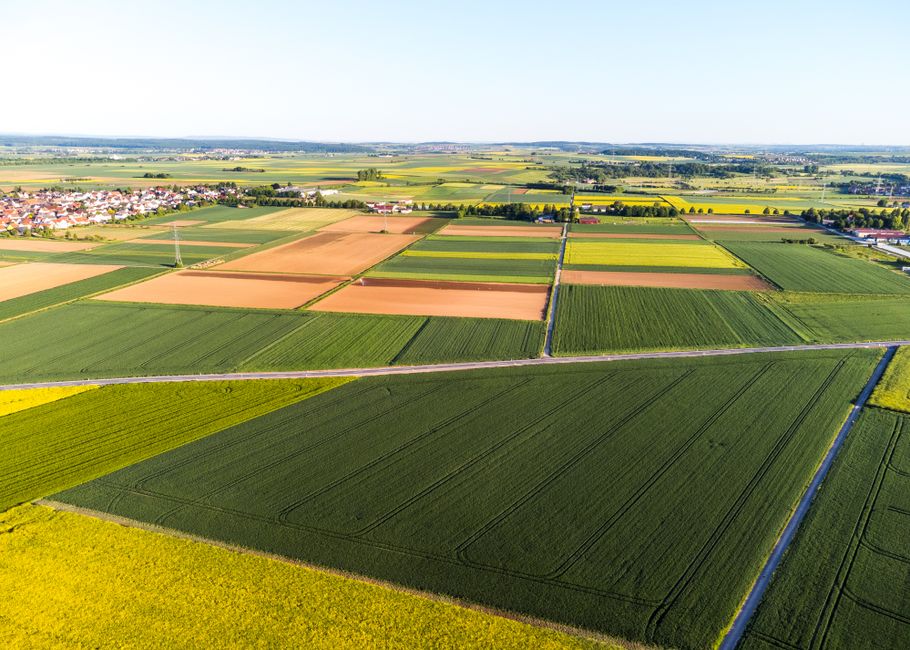
Crop insurance is a risk management tool designed to protect farmers against the loss of their crops due to unforeseen circumstances. It provides financial support when events such as droughts, floods, hailstorms, or disease outbreaks occur, causing significant damage to crops. By investing in crop insurance, farmers can safeguard their income and ensure that they can recover from losses without incurring crippling debt.
The two primary types of crop insurance are Actual Production History (APH) policies and Revenue Protection policies. APH policies cover yield losses based on a farmer’s historical production data, while Revenue Protection policies provide coverage based on the revenue generated from the crops. Understanding these options allows farmers to choose the best protection for their unique situation.
The Importance of Crop Insurance
Crop insurance plays a vital role in the agricultural economy, providing stability to farmers and helping to maintain food security. According to the United States Department of Agriculture (USDA), approximately 90% of U.S. farmers utilize some form of crop insurance, highlighting its significance in modern farming practices.
Moreover, crop insurance contributes to the overall resilience of the agricultural sector. By reducing financial uncertainty, farmers are more likely to invest in better farming practices, adopt new technologies, and diversify their crops. This proactive approach not only enhances productivity but also strengthens the entire food supply chain.
How Crop Insurance Works
The functioning of crop insurance involves several key steps. First, farmers must assess their risk and determine the appropriate coverage amount based on their crop type, location, and historical yields. Once the policy is purchased, farmers pay annual premiums to maintain their coverage.
In the event of a loss, farmers must file a claim with their insurance provider, providing documentation of the damage. An adjuster then evaluates the claim, and if approved, the farmer receives compensation based on the terms of the policy. This process ensures that farmers can recover quickly and continue their operations without severe financial hardship.
Challenges and Considerations
While crop insurance offers substantial benefits, there are also challenges associated with it. One major concern is the rising cost of premiums, which can be a significant burden for small-scale farmers. Additionally, the complexity of insurance policies can be overwhelming, leading to misunderstandings about coverage options and claims processes.
Farmers must also be aware of the timing of their insurance purchases, as policies often need to be secured before planting seasons. This necessitates careful planning and consideration of potential risks before committing to a particular crop for the year.
The Future of Crop Insurance
As climate change continues to impact agricultural practices globally, the future of crop insurance is likely to evolve. Innovations such as satellite technology and big data analytics are being explored to enhance the accuracy of yield predictions and risk assessments. These advancements may lead to more tailored insurance products that better reflect the unique circumstances of individual farmers.
Furthermore, governments worldwide are recognizing the importance of crop insurance in promoting agricultural sustainability. Initiatives aimed at subsidizing premiums for smallholder farmers or providing education about risk management strategies are becoming increasingly common.
In conclusion, crop insurance is a crucial element of modern agriculture, offering farmers a safety net against the unpredictable nature of farming. By understanding the various types of coverage available and the processes involved, farmers can make informed decisions that protect their livelihoods and contribute to the stability of the food supply chain. For more information on crop insurance, visit crop insurance.