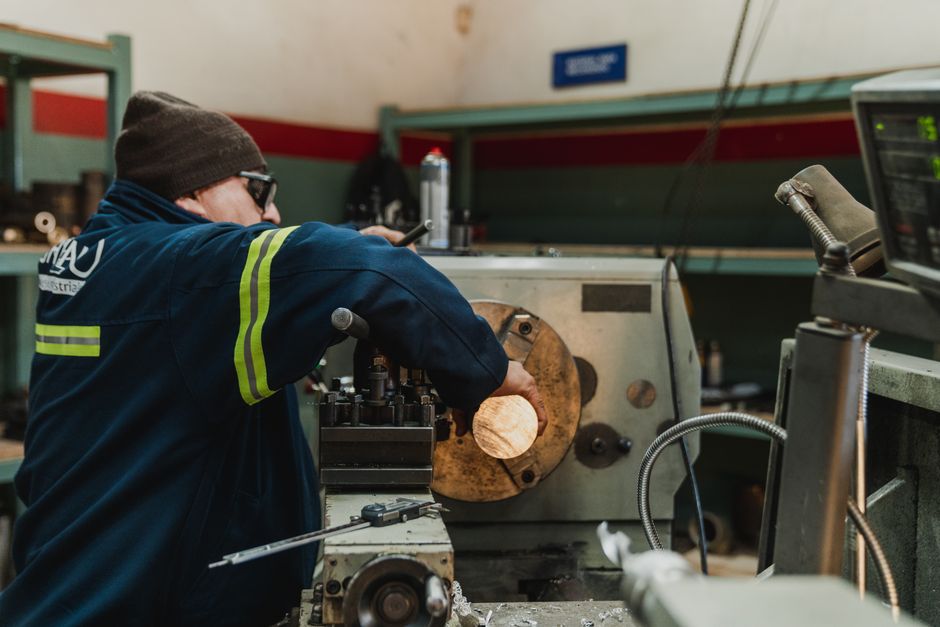
As the aviation industry continues to grow, the importance of maintaining aircraft in top condition cannot be overstated. Aircraft maintenance companies play a crucial role in ensuring both the safety and efficiency of flights. In this article, we will explore the various aspects of aircraft maintenance, including types of services offered, regulatory requirements, and the impact of technology on the industry.
Understanding Aircraft Maintenance
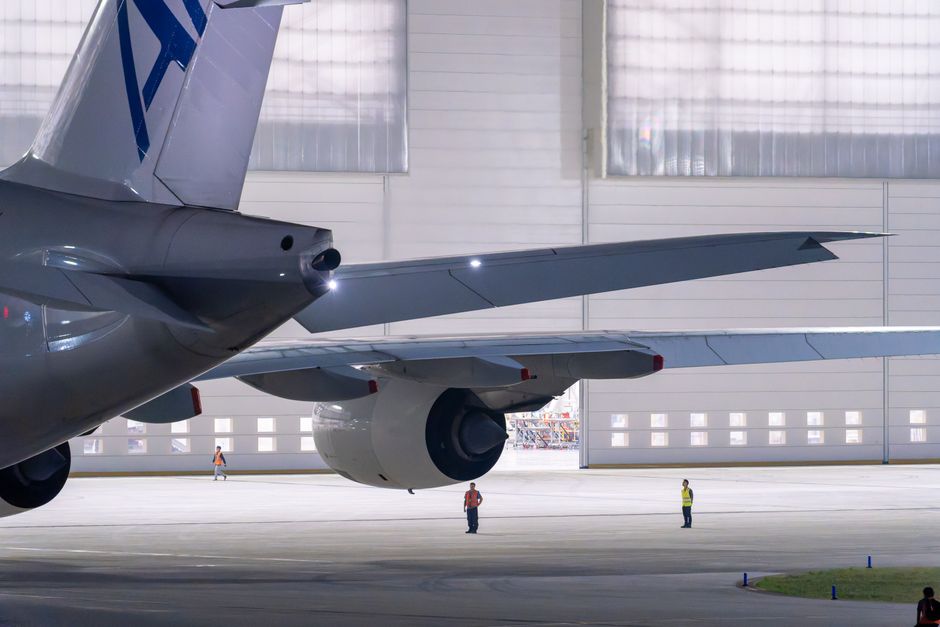
Aircraft maintenance refers to the systematic processes involved in ensuring that an aircraft remains safe and operational. This includes inspections, repairs, and modifications to both the airframe and its components. The maintenance process is governed by strict regulations set by aviation authorities, which ensures that all aircraft meet the necessary safety standards.
There are typically two main types of maintenance: scheduled and unscheduled. Scheduled maintenance is performed at regular intervals, as dictated by the aircraft manufacturer and regulatory authorities. Unscheduled maintenance, on the other hand, is conducted in response to specific issues that arise, such as unexpected mechanical failures.
In addition, maintenance can be categorized into line maintenance and heavy maintenance. Line maintenance is usually performed at airports and involves routine checks and minor repairs that can be completed quickly. Heavy maintenance, however, is more comprehensive and often requires the aircraft to be taken out of service for an extended period.
The Importance of Regulatory Compliance
Aircraft maintenance companies must adhere to stringent regulations set by organizations such as the Federal Aviation Administration (FAA) in the United States or the European Union Aviation Safety Agency (EASA) in Europe. These regulations dictate everything from the qualifications of maintenance personnel to the procedures for conducting inspections and repairs.
Compliance with these regulations is not just a legal obligation; it is essential for the safety of passengers and crew. For instance, a failure to properly maintain an aircraft can lead to catastrophic accidents. Therefore, maintenance companies invest heavily in training their staff and ensuring all procedures align with regulatory requirements.
Technological Advancements in Aircraft Maintenance
Technology has significantly transformed the landscape of aircraft maintenance. Advanced diagnostic tools and software now allow maintenance companies to predict potential issues before they occur. This predictive maintenance approach not only enhances safety but also reduces downtime and costs for airlines.
Additionally, the use of drones for inspections is becoming increasingly popular. Drones can access hard-to-reach areas of an aircraft, enabling maintenance teams to conduct thorough inspections quickly and efficiently. This innovation reduces the need for scaffolding and ladders, making the inspection process safer and more streamlined.
Moreover, data analytics plays a crucial role in improving maintenance strategies. By analyzing historical maintenance data, companies can identify trends and patterns, allowing them to optimize maintenance schedules and improve overall operational efficiency.
Choosing the Right Aircraft Maintenance Company
When selecting an aircraft maintenance company, airlines must consider several factors. Reputation and experience are paramount; a company with a proven track record of safety and reliability is essential. Additionally, the range of services offered should align with the specific needs of the airline.
Cost is another important consideration. While it may be tempting to choose the cheapest option, it is crucial to evaluate the overall value provided by the maintenance company. Investing in quality maintenance can prevent costly repairs and downtime in the long run.
Furthermore, a strong partnership between airlines and maintenance companies can lead to improved communication and operational efficiency. Establishing clear lines of communication ensures that both parties are aligned and can address any issues promptly.
Conclusion
In conclusion, aircraft maintenance companies are vital to the safety and efficiency of the aviation industry. By understanding the types of maintenance, regulatory requirements, and the impact of technology, airlines can make informed decisions when partnering with these essential service providers. As the industry continues to evolve, the role of maintenance companies will become even more critical in ensuring that aircraft remain safe and operational. For those seeking reliable services, working with a reputable aircraft maintenance company can make all the difference.