
In the competitive world of dining, the atmosphere of a restaurant plays a crucial role in attracting and retaining customers. Restaurant interior design is not merely about aesthetics; it is a strategic element that influences customer behavior and overall experience. From the choice of color palettes to the arrangement of furniture, every detail contributes to the ambiance that defines a restaurant’s identity.
The Importance of First Impressions
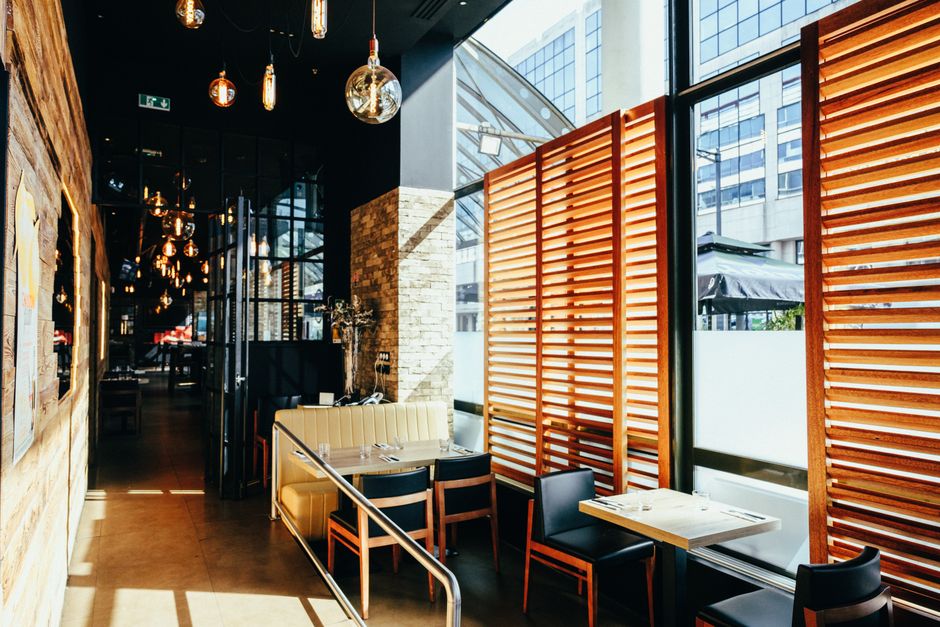
When guests walk into a restaurant, their first impression is shaped by the interior design. Research indicates that customers often form opinions within the first few seconds of entering a space. A well-thought-out design can evoke feelings of comfort, excitement, or even nostalgia, influencing their decision to stay or leave. For instance, a warm color palette can create an inviting atmosphere, while minimalist designs may appeal to a more sophisticated clientele.
Moreover, the layout of the restaurant should facilitate a smooth flow of movement. Open spaces can make a venue feel more welcoming, while cramped areas may deter guests from entering. Effective restaurant interior design considers not just the look but also the functionality of the space, ensuring that it can accommodate the expected foot traffic.
Creating a Unique Brand Identity
Every restaurant has its own story, and the interior design should reflect that narrative. Whether it’s a cozy Italian bistro or a modern sushi bar, the design should embody the restaurant’s concept and ethos. This is where creativity comes into play; incorporating elements such as unique furniture, artwork, and thematic decor can enhance the dining experience.
For example, a farm-to-table restaurant might use reclaimed wood and vintage decor to emphasize its commitment to sustainability. By aligning the interior design with the brand values, restaurants can create a cohesive identity that resonates with their target audience. This connection not only enhances the dining experience but also fosters customer loyalty.
Lighting: The Unsung Hero
Lighting is one of the most critical yet often overlooked aspects of restaurant interior design. The right lighting can set the mood, highlight key areas, and even affect the perceived taste of the food. Dim lighting may create a romantic atmosphere, perfect for date nights, while bright, natural light can energize the space, ideal for breakfast or brunch spots.
Moreover, the use of layered lighting—combining ambient, task, and accent lighting—can add depth and versatility to the restaurant’s atmosphere. For instance, pendant lights over tables can create intimate dining areas, while spotlights can showcase art pieces or special decor elements.
Functional Furniture and Layout
The choice of furniture is another vital component of restaurant interior design. It should not only be aesthetically pleasing but also functional and comfortable. For example, tables and chairs should be arranged to facilitate easy movement for both guests and staff. Additionally, the selection of materials is important; durable, easy-to-clean surfaces are essential in a high-traffic environment.
Furthermore, incorporating a variety of seating options—such as booths, communal tables, and outdoor seating—can cater to different customer preferences. This flexibility can enhance the dining experience, allowing guests to choose their preferred level of privacy or social interaction.
Incorporating Technology
As technology continues to evolve, incorporating it into restaurant interior design is becoming increasingly important. From digital menus to interactive tables, technology can enhance the guest experience and streamline operations. For instance, many restaurants are now using mobile apps for ordering and payment, reducing wait times and improving efficiency.
However, it is crucial to integrate technology seamlessly into the design. The presence of screens or devices should not disrupt the overall ambiance. A well-designed tech integration can elevate the dining experience, making it more enjoyable for guests.
For those looking to enhance their restaurant’s atmosphere, understanding the principles of restaurant interior design is essential. A thoughtful approach to design can transform a simple dining space into a memorable experience, encouraging customers to return time and again.
Conclusion
In conclusion, restaurant interior design is a multifaceted discipline that plays a vital role in shaping the dining experience. From creating a strong first impression to enhancing brand identity, the design elements contribute significantly to customer satisfaction and retention. By focusing on lighting, furniture, layout, and technology, restaurant owners can create inviting spaces that not only attract patrons but also foster a loyal customer base. As the industry continues to evolve, staying ahead of design trends will be key to success in the competitive restaurant landscape.