Restaurant interior design is not just about aesthetics; it’s about creating an atmosphere that enhances the dining experience. A well-designed restaurant can attract customers, foster loyalty, and encourage them to return. As competition increases in the dining industry, understanding the principles of effective interior design becomes crucial for any restaurant owner or designer.
Understanding the Basics of Restaurant Interior Design
The first step in creating an appealing restaurant interior is understanding the target audience. Different demographics respond to various styles and atmospheres. For instance, a casual diner may benefit from bright colors and vibrant decor, while a fine dining establishment might opt for muted tones and sophisticated furnishings.
Moreover, the layout of the restaurant should facilitate a smooth flow of traffic. Customers should be able to navigate the space effortlessly, from the entrance to their tables, and from their tables to the restroom. This consideration not only enhances the experience but also ensures that staff can perform their duties efficiently.
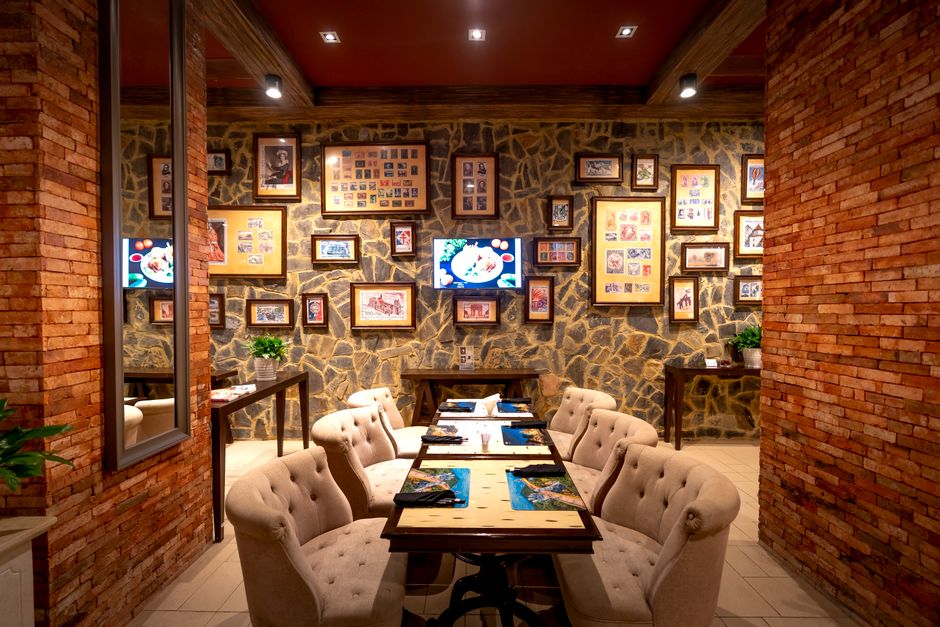
Incorporating the restaurant’s theme into the interior design is essential. Whether it’s a rustic farmhouse feel or a sleek, modern aesthetic, every element—from the furniture to the lighting—should reflect this theme. This cohesion creates a memorable atmosphere that customers can associate with the brand.
Key Elements of Effective Restaurant Interior Design
There are several key elements that contribute to effective restaurant interior design. Lighting is one of the most critical factors. It can set the mood and influence the overall dining experience. For example, soft, dim lighting creates an intimate atmosphere, while bright lighting is suitable for casual or fast-food environments.
Furniture selection is equally important. It should not only align with the restaurant’s theme but also provide comfort. Customers are likely to linger longer in a space where they feel comfortable, leading to increased sales. Additionally, durable materials should be chosen, as restaurant furniture undergoes considerable wear and tear.
Color schemes also play a vital role in the dining experience. Warm colors, such as reds and oranges, can stimulate appetite, while cooler colors, like blues and greens, can create a calming effect. The right combination of colors can evoke specific emotions and enhance the overall atmosphere.
Incorporating Technology into Restaurant Design
In today’s digital age, technology integration is becoming increasingly important in restaurant interior design. Digital menus, contactless payments, and online reservation systems are just a few examples of how technology can enhance the customer experience.
Moreover, the design should accommodate these technologies seamlessly. For instance, outlets for charging devices should be incorporated into seating areas, and Wi-Fi access should be readily available. This attention to detail can make a restaurant stand out in a competitive market.
Furthermore, incorporating smart technology, such as automated lighting and temperature controls, can improve energy efficiency and enhance the overall experience for both customers and staff. These modern touches can help create a forward-thinking brand image.
Designing for Sustainability
As consumers become more environmentally conscious, sustainability in restaurant interior design is gaining traction. Using eco-friendly materials, such as reclaimed wood or recycled metals, not only reduces environmental impact but also adds character to the space.
Additionally, incorporating plants and greenery can improve air quality and create a more inviting atmosphere. Vertical gardens or potted plants can be used to enhance the aesthetic appeal while promoting sustainability.
Restaurants can also consider implementing energy-efficient appliances and systems, such as LED lighting and low-flow plumbing fixtures, to further their commitment to sustainability. This approach not only benefits the environment but can also lead to significant cost savings in the long run.
Conclusion: The Future of Restaurant Interior Design
As the restaurant industry continues to evolve, so too will the trends in interior design. A deep understanding of customer preferences, technological advancements, and sustainability will shape the future of restaurant design. By focusing on these areas, restaurant owners can create spaces that are not only visually stunning but also functional and inviting.
Investing in professional guidance can ensure that the design aligns with the brand’s vision and meets the needs of the target audience. For those looking to elevate their restaurant’s aesthetic and functionality, exploring innovative approaches to restaurant interior design can provide the necessary insights and inspiration.