In the competitive world of the restaurant industry, the interior design of a dining establishment plays a pivotal role in attracting customers and enhancing their overall experience. A well-thought-out design not only reflects the restaurant’s brand but also creates an inviting atmosphere that encourages patrons to return. In this article, we will explore various aspects of restaurant interior design, including color schemes, furniture selection, layout optimization, and the integration of technology.
The Importance of Color Schemes
Color has a profound impact on human emotion and behavior, making it a critical element in restaurant interior design. Warm colors like red and orange are known to stimulate appetite, while blues and greens tend to create a calming effect. When designing a restaurant, it’s essential to choose a color palette that aligns with the type of cuisine offered and the target demographic. For instance, a high-end sushi restaurant might benefit from a minimalist design with muted tones, while a family-friendly diner could use vibrant colors to create a fun and lively atmosphere.
Furthermore, the psychology of color can also influence customer spending. Research indicates that restaurants with warm color schemes tend to encourage quicker dining experiences, as customers feel more energetic and ready to leave. In contrast, cooler tones might promote lingering, leading patrons to spend more time—and potentially more money—at their tables. By strategically selecting colors, restaurant owners can manipulate the dining experience to their advantage.
Furniture Selection and Layout
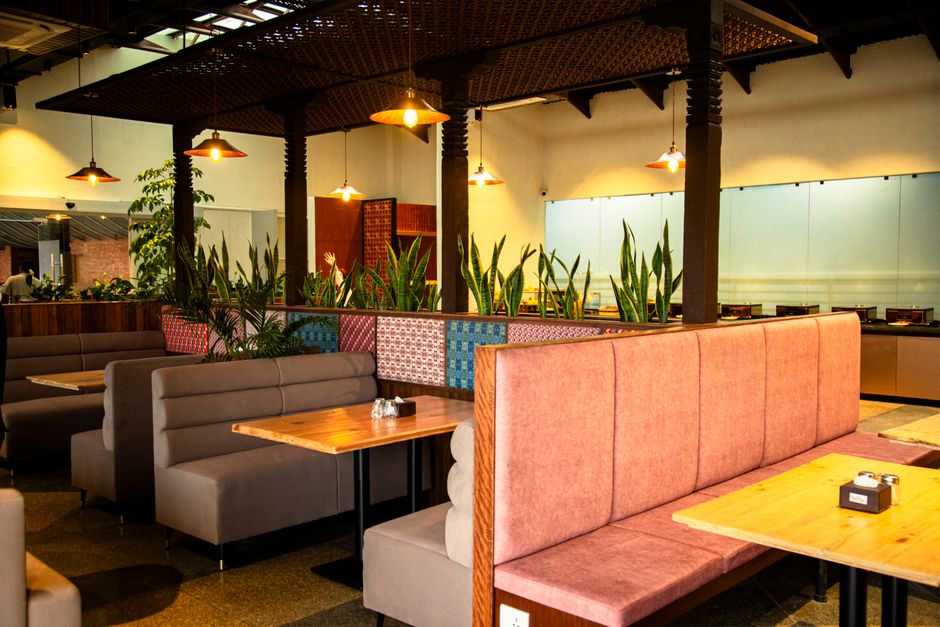
Choosing the right furniture is crucial for both comfort and functionality in a restaurant setting. The seating arrangement should accommodate the expected flow of customers while allowing for social interactions. For example, a casual eatery may opt for communal tables that encourage conversation, whereas a fine dining restaurant might choose intimate booths to enhance privacy.
Additionally, the materials used for furniture can greatly affect the ambiance. Rustic wood tables may evoke a cozy, homey feel, while sleek metal and glass designs could cater to a more modern, upscale clientele. It’s important to strike a balance between aesthetics and practicality, ensuring that the furniture is durable enough to withstand the rigors of a busy restaurant environment.
Moreover, the layout of the dining space should also consider the flow of service. Efficient pathways for staff can reduce wait times and enhance customer satisfaction. Creating designated zones for different dining experiences, such as bar seating, dining booths, and outdoor patios, can also cater to various customer preferences and increase overall occupancy.
Lighting: Setting the Mood
Lighting is another vital component of restaurant interior design that can dramatically alter the dining experience. The right lighting can create an inviting atmosphere, enhance the visual appeal of food, and even influence customer behavior.
For instance, bright, harsh lighting may be suitable for a casual café, where quick turnover is essential. In contrast, softer, ambient lighting can create a romantic setting for a fine dining restaurant, encouraging diners to linger. It’s also worth noting that incorporating natural light through large windows can enhance the overall aesthetic and make the space feel more open and welcoming.
Layering different types of lighting—ambient, task, and accent—can add depth and versatility to the design. Pendant lights over tables, wall sconces highlighting artwork, and dimmable overhead lights can all contribute to a dynamic and engaging environment.
Technology Integration
As technology continues to evolve, its integration into restaurant interior design has become increasingly important. From digital menus to contactless payment systems, technology can enhance the customer experience while streamlining operations.
For instance, implementing tablet menus can allow diners to customize their orders easily, while also minimizing contact with staff. Additionally, incorporating sound systems that can create a tailored auditory experience can enhance the atmosphere. Background music should complement the restaurant’s theme and crowd, adjusting in volume and style according to the time of day.
Moreover, utilizing smart lighting systems can allow restaurant owners to adjust the ambiance dynamically based on customer flow and preferences. By leveraging technology in these ways, restaurants can provide a modern, efficient dining experience that meets the expectations of today’s consumers.
Conclusion
In conclusion, restaurant interior design is a multifaceted discipline that requires careful consideration of various elements, including color schemes, furniture selection, layout, lighting, and technology. By creating a well-designed space that aligns with the restaurant’s brand and caters to customer preferences, owners can enhance the dining experience, encourage repeat visits, and ultimately drive profitability. As the restaurant industry continues to evolve, staying ahead of design trends and customer expectations will be crucial for success. For those seeking expert guidance in restaurant interior design, collaborating with experienced designers can provide valuable insights and innovative solutions.