
The fashion industry has seen a significant shift in recent years, with consumers increasingly seeking personalized clothing options. Custom clothing manufacturers are at the forefront of this trend, providing tailored solutions that cater to individual styles and preferences. This article explores the benefits, processes, and future of custom clothing manufacturing, highlighting why this approach is becoming the go-to choice for many.
Understanding Custom Clothing Manufacturing
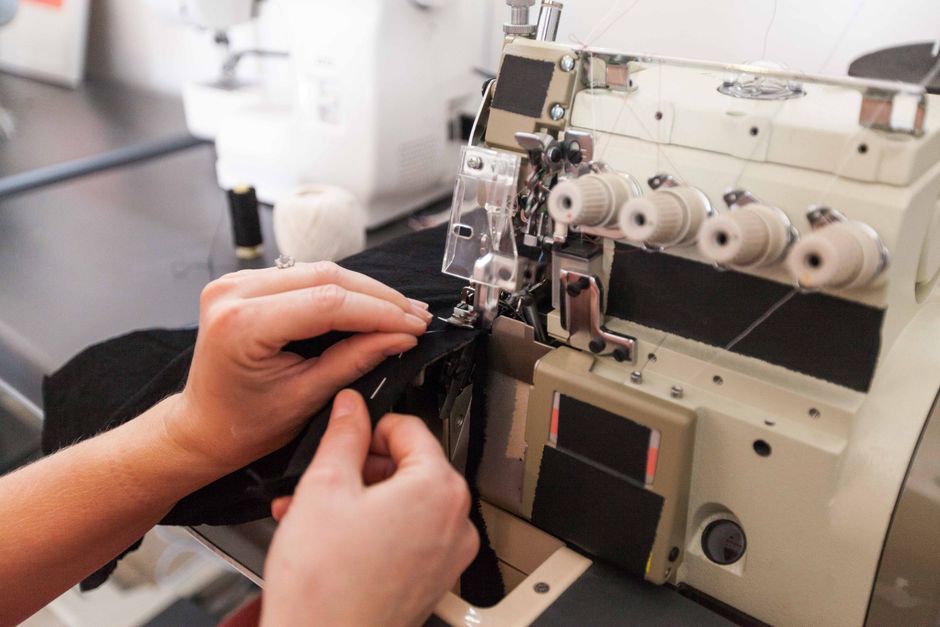
Custom clothing manufacturing refers to the process of creating garments tailored specifically to the customer’s specifications. Unlike mass-produced clothing, which often lacks individuality, custom pieces are designed to fit the unique measurements and style preferences of the wearer. This can include everything from choosing fabrics and colors to selecting specific design features.
One of the key advantages of working with a custom clothing manufacturer is that it allows clients to have more control over the final product. This level of personalization not only enhances satisfaction but also fosters a deeper connection between the consumer and their clothing. For instance, brands that offer custom options often see higher customer loyalty rates, as buyers feel a sense of ownership over their purchases.
The Process of Custom Clothing Production
The process of creating custom clothing typically begins with a consultation, where the manufacturer discusses the client’s vision and requirements. This initial meeting is crucial for understanding the desired style, fit, and fabric choices. Once the specifications are established, the next steps usually involve creating a prototype or sample, which allows the client to visualize the final product.
After the prototype is approved, the actual production begins. Many custom clothing manufacturers utilize advanced technologies, such as 3D modeling and digital printing, to streamline the production process and ensure high-quality results. For example, some brands have adopted cutting-edge software that allows customers to visualize their designs in real-time, making adjustments as needed before finalizing their orders.
Benefits of Custom Clothing
There are numerous benefits to choosing custom clothing over off-the-rack options. First and foremost, custom garments provide a perfect fit, which is particularly important for individuals who may struggle to find their size in standard sizing charts. Well-fitting clothing not only looks better but also enhances comfort and confidence.
Moreover, custom clothing allows for greater creativity. Clients can express their unique styles through personalized designs that reflect their personality. This creative freedom has led to a growing trend among fashion-forward individuals who want to stand out from the crowd. Additionally, custom pieces can be made from sustainable materials, appealing to environmentally conscious consumers.
Case Studies and Success Stories
Numerous brands have successfully embraced the custom clothing manufacturing model, proving its viability in the modern market. For instance, a popular startup known for its custom suits has reported a 50% increase in sales since introducing an online design platform. This platform allows customers to choose fabrics, styles, and even linings, leading to a fully personalized experience.
Another example is a brand specializing in custom activewear, which saw a surge in demand during the pandemic as people sought comfortable yet stylish home workout gear. By leveraging customer feedback and adapting quickly to market trends, these brands have positioned themselves as leaders in the custom clothing space.
The Future of Custom Clothing Manufacturing
As technology continues to evolve, the future of custom clothing manufacturing looks promising. Innovations such as artificial intelligence and machine learning are expected to further enhance the personalization process, allowing manufacturers to predict trends and customer preferences more accurately.
Furthermore, as consumers become more aware of the environmental impact of fast fashion, the demand for sustainable and ethically produced custom clothing is likely to rise. Brands that prioritize sustainability in their manufacturing processes will not only attract eco-conscious consumers but also contribute to a more responsible fashion industry.
Conclusion
Custom clothing manufacturers are revolutionizing the way consumers approach fashion, offering tailored solutions that prioritize individuality, comfort, and sustainability. As this trend continues to gain momentum, it’s clear that the future of fashion lies in the hands of those who dare to personalize. Whether you’re a fashion enthusiast or simply seeking the perfect fit, exploring custom clothing options could be your next best decision.