
In recent years, the luxury fashion market has seen a significant shift with the emergence of luxury brand resellers. This trend is reshaping how consumers perceive and access high-end products. As traditional retail models adapt to the digital age, resellers are providing a platform for both buyers and sellers to engage in a unique marketplace. This article explores the factors driving this trend, the benefits of luxury brand reselling, and what the future may hold for this burgeoning industry.
The Growth of the Resale Market
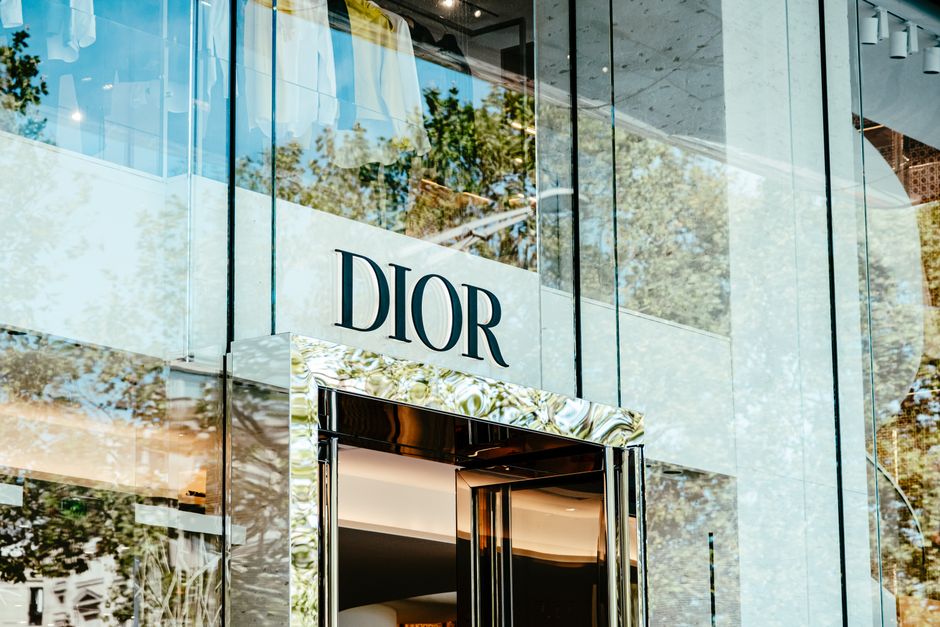
The luxury resale market has exploded in popularity, with some estimates suggesting it could reach $64 billion by 2024. Factors contributing to this surge include increased consumer awareness of sustainability, the desire for unique fashion pieces, and the growing acceptance of second-hand goods. In a world where fast fashion is being scrutinized for its environmental impact, reselling luxury items offers a more sustainable alternative.
Platforms dedicated to luxury brand reselling, such as Poshmark and The RealReal, have gained traction by making it easier for consumers to buy and sell pre-owned luxury items. These platforms authenticate products, ensuring buyers are receiving genuine items, which enhances trust in the resale market. Moreover, these platforms often feature a user-friendly interface, allowing sellers to list their items quickly and efficiently, attracting a broad audience of potential buyers.
Benefits of Buying and Selling Through Resellers
For consumers, purchasing from a luxury brand reseller can significantly reduce costs. Luxury items often maintain their value, but resellers typically offer these goods at a fraction of the retail price. This affordability opens up opportunities for individuals who may not have been able to access high-end brands otherwise.
Sellers, on the other hand, find an opportunity to declutter their closets and make money from items they no longer use. Luxury brands tend to retain their desirability over time, meaning sellers can often recoup a substantial portion of their initial investment. For instance, a designer handbag purchased for $3,000 might sell for $2,000 in the resale market, providing a lucrative option for those looking to downsize.
Challenges Faced by Luxury Brand Resellers
While the luxury resale market presents opportunities, it is not without challenges. One significant issue is the risk of counterfeit goods. Even reputable platforms face difficulties in ensuring the authenticity of every item listed. To counteract this, many resellers have implemented strict authentication processes, which may include expert evaluations and detailed product descriptions.
Additionally, the luxury market is highly competitive. Resellers need to differentiate themselves from others to attract buyers. This could involve offering excellent customer service, providing detailed product information, or creating a unique brand identity. For example, some resellers focus on specific niches, such as vintage luxury or streetwear, to carve out their place in the market.
The Future of Luxury Brand Reselling
Looking ahead, the future of luxury brand reselling appears promising. As younger generations, particularly millennials and Gen Z, become more influential consumers, their values around sustainability and uniqueness will likely drive further growth in the resale market. These demographics are increasingly prioritizing experiences over possessions, making the resale of luxury items appealing as a way to access high-quality products without contributing to fast fashion.
Moreover, technological advancements such as blockchain may soon play a role in enhancing trust and transparency in the resale market. By using blockchain technology, resellers can create a digital ledger that verifies the authenticity and ownership history of luxury items, further reassuring buyers about their purchases.
As the market evolves, partnerships between luxury brands and resale platforms could also become more common. Some brands are already exploring ways to collaborate with resellers, allowing them to tap into the growing second-hand market while retaining control over their brand image.
For those interested in entering this space, becoming a luxury brand reseller can offer a rewarding business opportunity. Understanding market trends, pricing strategies, and effective marketing will be essential for success in this dynamic environment.
Conclusion
The rise of luxury brand resellers is a testament to the changing landscape of consumer behavior in the fashion industry. As sustainability becomes a priority for many shoppers, the resale market offers a compelling alternative to traditional retail. By embracing this trend, both buyers and sellers can enjoy the benefits of luxury goods while contributing to a more sustainable future. The luxury brand reseller market is not just a passing trend; it is a shift towards a more thoughtful and responsible way of engaging with fashion.