In recent years, the luxury fashion market has witnessed a significant transformation with the emergence of luxury brand resellers. These businesses have capitalized on the growing demand for high-end products while offering consumers an alternative to traditional retail. As sustainability and conscious consumerism gain traction, the resale market is becoming increasingly popular among fashion enthusiasts and eco-conscious shoppers alike. This article delves into the dynamics of luxury brand reselling, exploring its benefits, challenges, and the future landscape of this burgeoning industry.
Understanding the Luxury Resale Market
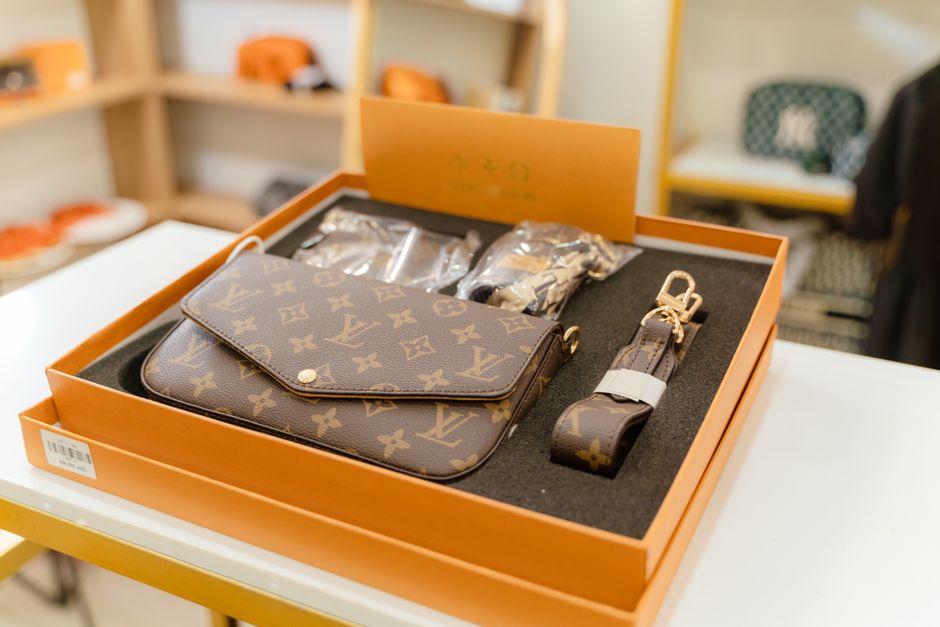
The luxury resale market comprises pre-owned items from high-end brands, allowing consumers to access luxury goods at a fraction of the original price. According to a report by ThredUp, the secondhand market is expected to reach $64 billion by 2024, driven by younger generations who prefer sustainable shopping options. This growing market reflects a shift in consumer behavior, where the ownership of luxury items is becoming less about status and more about value and sustainability.
Luxury brand resellers operate through various platforms, including online marketplaces, consignment shops, and dedicated resale websites. These platforms provide an accessible way for consumers to buy and sell luxury items, facilitating a community of fashion lovers who appreciate the quality and craftsmanship of high-end products.
Moreover, the luxury resale market is not just limited to clothing. It includes accessories, handbags, shoes, and even vintage items, creating a diverse range of products that cater to various consumer preferences. According to Bain & Company’s report, the resale market is growing at a rate of 15% annually, significantly outpacing the growth of the overall luxury market.
The Benefits of Buying from Luxury Brand Resellers
One of the primary advantages of purchasing from luxury brand resellers is cost savings. High-end items often come with hefty price tags, making them inaccessible to many consumers. Resellers offer these products at lower prices, allowing shoppers to own luxury items without breaking the bank.
Additionally, buying pre-owned luxury goods can be a more sustainable choice. The fashion industry is one of the biggest polluters globally, and reselling items helps reduce waste and decrease the demand for new products. This shift towards a circular economy is appealing to environmentally-conscious consumers who wish to make responsible purchasing decisions.
Another benefit is the unique selection available through resellers. Many luxury brand resellers curate their collections, offering rare and limited-edition items that are hard to find in traditional retail stores. This exclusivity allows fashion enthusiasts to stand out and express their personal style in ways that mass-produced items cannot.
Challenges Faced by Luxury Brand Resellers
Despite the numerous advantages, the luxury brand resale market is not without its challenges. One of the main hurdles is the issue of authenticity. Consumers must be cautious when purchasing pre-owned luxury items, as counterfeit products can infiltrate the market. Resellers need to implement stringent authentication processes to ensure the items they sell are genuine. Many established resellers employ experts to verify the authenticity of their products, which builds trust among consumers.
Additionally, competition in the luxury resale market is fierce. With the entry of various players, it can be challenging for new resellers to differentiate themselves. Developing a strong brand presence and offering exceptional customer service can help resellers carve out a niche in this crowded space.
Moreover, the logistics of sourcing and selling luxury items can be complex. Resellers must consider factors such as storage, shipping, and return policies, which can be resource-intensive. Efficient inventory management and a robust supply chain are essential for success.
The Future of Luxury Brand Reselling
The future of luxury brand reselling appears promising, with continued growth expected in the coming years. As consumers increasingly prioritize sustainability, the resale market is likely to expand further. Brands are also beginning to embrace the resale model, with some luxury labels launching their own secondhand platforms to cater to this trend.
Moreover, technology will play a crucial role in shaping the future of this market. Innovations such as blockchain can enhance the authentication process, providing consumers with a trusted way to verify the provenance of their purchases. Additionally, advancements in e-commerce and mobile shopping will make it even easier for consumers to buy and sell luxury items.
As the luxury resale market evolves, it will be essential for resellers to stay attuned to consumer preferences and market trends. Those who adapt and innovate will likely thrive in this dynamic environment.
Conclusion
The rise of luxury brand resellers marks a significant shift in the fashion industry, offering consumers a sustainable and cost-effective way to access high-end products. While challenges such as authenticity and competition persist, the benefits of purchasing pre-owned luxury items are compelling. As this market continues to grow, embracing technological advancements and understanding consumer behavior will be crucial for resellers aiming to succeed. For those interested in exploring this burgeoning market, visiting a reputable luxury brand reseller can be a great starting point.