In recent years, aquaponics has emerged as a revolutionary approach to sustainable gardening, combining aquaculture and hydroponics into a harmonious ecosystem. Enthusiasts and beginners alike are finding aquaponics kits to be an accessible way to engage in this eco-friendly method of growing food. This article delves into the various aspects of aquaponics kits, their components, benefits, and how to get started with your own sustainable garden.
Understanding Aquaponics
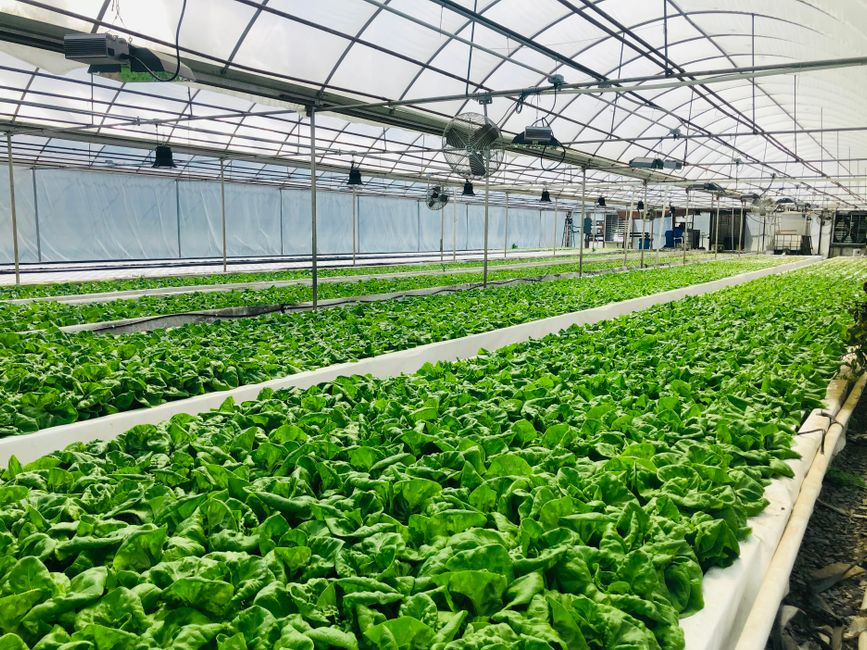
Aquaponics is a sustainable method of food production that integrates fish farming (aquaculture) with growing plants without soil (hydroponics). In this system, fish waste provides organic nutrients for the plants, while the plants help to purify the water, creating a symbiotic relationship. This closed-loop system not only conserves water but also reduces the need for chemical fertilizers.
The beauty of aquaponics lies in its efficiency. Studies have shown that aquaponics systems can produce up to 10 times more food per square foot than traditional farming methods. This makes aquaponics kits an attractive option for urban gardeners with limited space.
Moreover, aquaponics systems can be set up indoors or outdoors, making them versatile for different living environments. Whether you live in a small apartment or have a backyard, there is an aquaponics kit suitable for you.
Components of an Aquaponics Kit
When selecting an aquaponics kit, it’s essential to understand its components. Most kits include a fish tank, a grow bed, a pump, a filtration system, and necessary plumbing. The fish tank is where the fish will live and produce waste, which is essential for nourishing the plants.
The grow bed is where the plants are cultivated. It is typically filled with a growing medium, such as clay pellets or gravel, which helps support the plants and filter the water. The pump circulates water between the fish tank and the grow bed, ensuring that both fish and plants receive the nutrients they need.
Some advanced aquaponics kits also come with monitoring systems that help track water quality, pH levels, and nutrient concentrations, making it easier for beginners to manage their setup.
Benefits of Using an Aquaponics Kit
One of the most significant advantages of using an aquaponics kit is the sustainability factor. By utilizing a closed-loop system, you can grow food while minimizing water usage and waste. According to research, aquaponics uses up to 90% less water than traditional agriculture, making it an environmentally friendly choice.
Furthermore, aquaponics allows you to grow organic produce without the use of harmful pesticides or fertilizers. This not only benefits your health but also contributes to a healthier ecosystem. Many aquaponics enthusiasts report that they can grow a variety of vegetables, herbs, and even fruits using their kits.
Additionally, aquaponics can be an educational tool for families and schools. Engaging children in gardening practices can foster a sense of responsibility and provide hands-on learning about biology, ecology, and sustainability.
Getting Started with Your Aquaponics Kit
Embarking on your aquaponics journey requires some planning and consideration. First, choose a suitable aquaponics kit based on your available space and the types of plants and fish you want to raise. It’s advisable to start with hardy fish, such as goldfish or tilapia, and easy-to-grow plants like lettuce or herbs.
Once you have your kit, set it up according to the manufacturer’s instructions. Be sure to cycle your system before adding fish, as this allows beneficial bacteria to establish, which is crucial for breaking down fish waste.
Regular maintenance is key to a thriving aquaponics system. Monitor water quality, feed the fish, and ensure that plants receive adequate light. Over time, you’ll learn to balance the needs of both the fish and plants for optimal growth.
Challenges and Considerations
While aquaponics is an exciting and sustainable way to garden, it does come with its challenges. Newcomers may face issues such as maintaining water quality, managing pests, and understanding plant and fish compatibility. It’s essential to educate yourself through research or community forums to overcome these hurdles.
Additionally, the initial setup cost of an aquaponics kit can be higher than traditional gardening methods. However, many growers find that the long-term benefits and sustainability justify the investment.
Finally, consider the local climate when planning your aquaponics setup. In regions with extreme temperatures, additional measures may be needed to maintain a stable environment for both fish and plants.
Conclusion
In conclusion, aquaponics kits offer an innovative and sustainable way to grow food while conserving resources. By understanding the components, benefits, and challenges of aquaponics systems, you can create a thriving ecosystem right in your home. As you embark on this journey, remember that patience and ongoing learning are key to success. If you’re interested in exploring aquaponics kits further, you might want to check out an aquaponics kit that suits your needs and start your sustainable gardening adventure today!