
In today’s fast-paced business environment, the aesthetics and functionality of a workspace are more crucial than ever. A well-designed commercial space not only enhances the atmosphere but also boosts employee productivity and client satisfaction. The role of a commercial interior designer has evolved into a vital component of successful business strategies, merging creativity with practical solutions to create environments that reflect a brand’s identity.
Understanding Commercial Interior Design
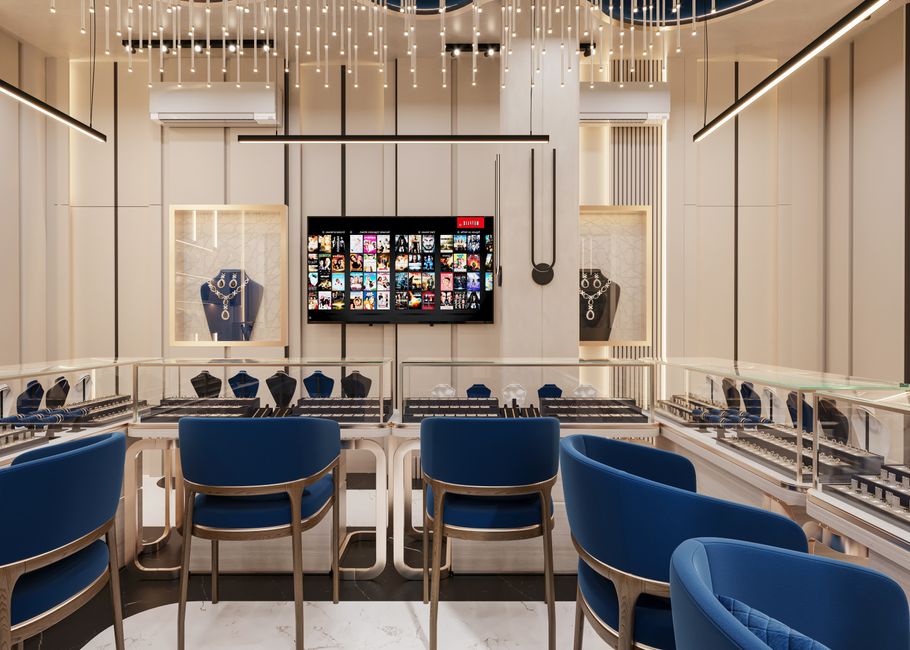
Commercial interior design involves the planning and design of interior spaces in commercial settings such as offices, retail stores, restaurants, and hotels. Unlike residential design, which focuses on personal comfort and aesthetics, commercial design prioritizes functionality, safety, and adherence to regulations. Designers must consider factors like the flow of people, lighting, acoustics, and even the psychological effects of colors and materials on employees and customers.
Statistics show that well-designed workspaces can lead to a 20% increase in employee productivity. Therefore, a commercial interior designer must have a profound understanding of how design influences behavior and productivity. This knowledge allows them to create spaces that are not only visually appealing but also conducive to business success.
The Design Process
The process of designing a commercial space typically begins with a thorough understanding of the client’s needs and objectives. This includes conducting interviews, surveys, and assessments to gather information about how the space will be used. A good commercial interior designer will create a design brief outlining the project’s goals, budget, and timeline.
After establishing the brief, the designer moves on to the conceptual phase, where they develop initial design ideas and concepts. This stage often involves creating mood boards, sketches, and digital renderings to visualize the space. Feedback from the client is crucial during this phase to ensure that the design aligns with their vision.
Key Elements of Commercial Interior Design
Several key elements contribute to effective commercial interior design. First is space planning, which involves arranging furniture and equipment to optimize workflow and communication. Good space planning can significantly enhance operational efficiency, making it a top priority for any commercial interior designer.
Another essential element is lighting design. Proper lighting can transform a space, highlighting features and creating the desired ambiance. Studies indicate that natural light can enhance employee well-being and productivity, making it a critical consideration in design.
Furthermore, material selection plays a pivotal role in commercial design. The materials used must be durable and suitable for the intended use while also aligning with the brand’s identity. For instance, a tech startup might opt for sleek, modern materials, while a law firm may prefer more traditional, refined finishes.
Trends in Commercial Interior Design
As businesses evolve, so do design trends. Currently, sustainability is at the forefront of commercial interior design. Designers are increasingly using eco-friendly materials and implementing energy-efficient solutions. For example, reclaimed wood, recycled metals, and low-VOC paints are becoming popular choices.
Another trend is the incorporation of technology into design. Smart office solutions, including automated lighting and climate control systems, are being integrated into commercial spaces to enhance efficiency and comfort. This trend not only caters to the tech-savvy workforce but also helps businesses reduce operational costs.
Conclusion: The Importance of Professional Design
In conclusion, the role of a commercial interior designer is essential in creating spaces that are functional, aesthetically pleasing, and aligned with a business’s goals. From understanding client needs to executing innovative design solutions, these professionals bring expertise that can significantly impact a company’s success. As businesses continue to adapt to changing needs and trends, collaborating with a skilled commercial interior designer will remain a strategic advantage in developing effective and inspiring work environments.