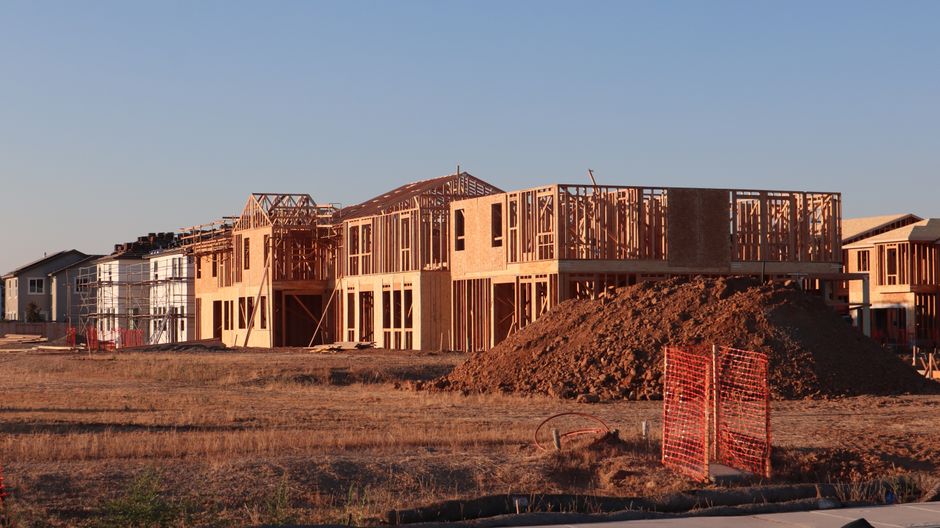
When it comes to buying or selling a property, understanding the process of house appraisal is essential. An appraisal provides an unbiased estimate of a home’s value, which can affect everything from mortgage approval to sale price negotiations. In this article, we will explore the intricacies of house appraisal, including its purpose, the methods used, and what homeowners can do to prepare for this critical step in the real estate process.
What is a House Appraisal?

A house appraisal is a professional assessment of a property’s value, typically conducted by a licensed appraiser. The primary purpose of an appraisal is to determine the fair market value of a property, which is crucial for lenders when approving mortgage loans. The appraiser evaluates various factors, including the property’s location, size, condition, and comparable sales in the area.
In many cases, an appraisal is required by lenders before they will issue a mortgage. This is to ensure that the loan amount does not exceed the property’s value, providing a safeguard against potential losses. Additionally, an appraisal can benefit sellers by helping them set a competitive price for their home.
The House Appraisal Process
The house appraisal process typically begins when a buyer applies for a mortgage. The lender will order the appraisal, which involves several steps. First, the appraiser will perform a visual inspection of the property, noting its physical characteristics and overall condition. This includes evaluating the interior and exterior, checking for necessary repairs, and assessing the quality of construction.
After the inspection, the appraiser will conduct research into the local real estate market. They will look at recent sales of comparable properties (often referred to as “comps”) in the area to determine a fair value for the home. The appraiser will then compile all this information into a detailed report, which includes the final appraised value and justifications for the assessment.
Factors Influencing House Appraisal Values
Several factors can influence the outcome of a house appraisal. Location is perhaps the most significant, as properties in desirable neighborhoods tend to have higher values. Additionally, the size and condition of the home play crucial roles; larger homes with modern amenities generally appraise for more than smaller, outdated properties.
Other factors include the current real estate market conditions. For example, in a seller’s market where demand exceeds supply, homes may appraise for higher values. Conversely, in a buyer’s market, appraisals may come in lower due to increased competition and lower demand. Understanding these dynamics can help sellers set realistic expectations for their home’s appraisal.
Preparing for a House Appraisal
Homeowners can take several steps to prepare for a house appraisal to ensure they receive a favorable assessment. First, it is essential to make necessary repairs and improvements before the appraiser visits. This could include fixing leaky faucets, painting walls, or enhancing curb appeal through landscaping.
Additionally, homeowners should gather relevant documentation that may assist the appraiser. This includes records of recent renovations, maintenance history, and any comparable sales in the area that support the desired valuation. By presenting a well-maintained home and ample information, homeowners can positively influence their appraiser’s perception and ultimately the appraised value of their property.
Common Misconceptions About House Appraisals
There are several misconceptions surrounding house appraisals that can lead to confusion for buyers and sellers alike. One common myth is that appraisals and home inspections are the same; however, they serve different purposes. A home inspection focuses on identifying issues with the property’s condition, while an appraisal assesses value.
Another misconception is that homeowners can simply inflate their expectations of a home’s value based on personal feelings or financial needs. Appraisals are based on objective data and market conditions, meaning that emotional attachments will not influence the outcome.
Lastly, some believe that an appraisal is an exact science; however, it is ultimately an opinion supported by data. Different appraisers may arrive at varying valuations based on their methods and interpretations of the data.
Conclusion
Understanding the house appraisal process is vital for anyone involved in real estate transactions. It not only affects the buying and selling process but also plays a significant role in mortgage approvals and overall market value. By familiarizing themselves with the factors influencing appraisals and preparing adequately, homeowners can navigate this critical step with confidence. For those seeking a reliable house appraisal, consider reaching out to professionals who can offer expert guidance and comprehensive assessments. For more detailed information, you can visit house appraisal services.