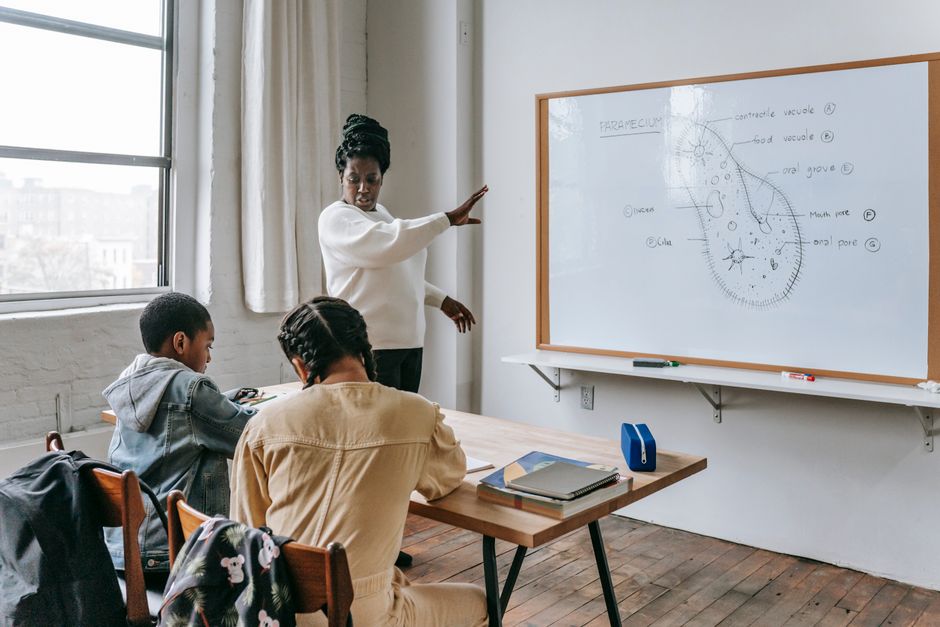
In an age where technology continues to transform every aspect of our lives, the field of education is no exception. As we move into the future, the integration of innovative teaching methods and advanced technologies becomes increasingly vital. This article explores how education is evolving, the impact of technology on learning, and the importance of adaptability in teaching.
The Role of Technology in Modern Education
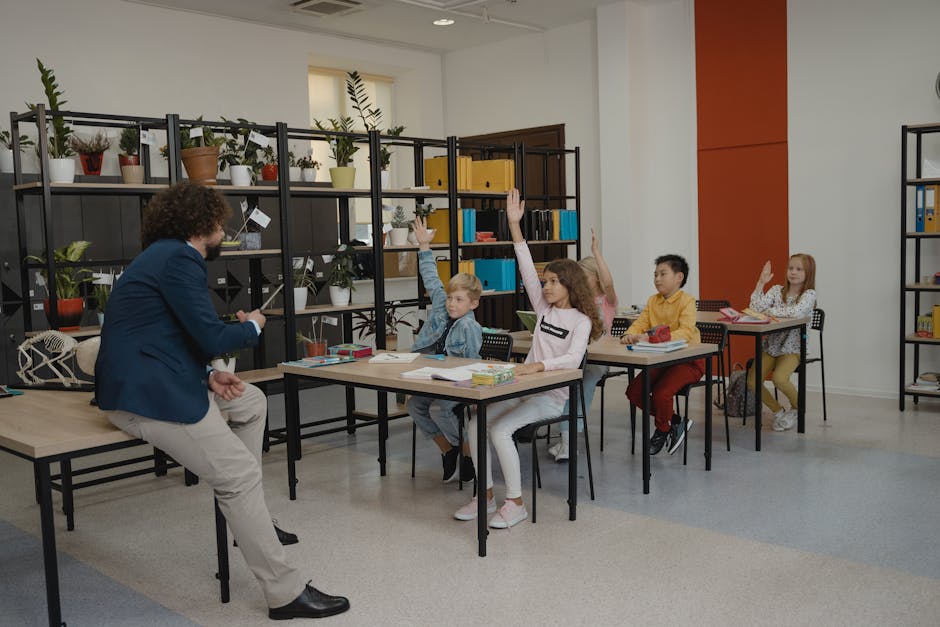
Technology has revolutionized the way we approach education. From digital classrooms to online resources, students now have access to a wealth of information at their fingertips. This shift not only enhances learning but also encourages self-directed education. For instance, platforms like Khan Academy and Coursera offer courses that allow learners to progress at their own pace, making education more accessible than ever before.
Moreover, the use of interactive tools and multimedia in the classroom engages students in ways traditional methods cannot. For example, virtual reality (VR) can transport students to historical sites or scientific laboratories, providing immersive experiences that enhance understanding.
However, the reliance on technology also poses challenges. Educators must be trained to effectively integrate these tools into their teaching. Professional development programs are essential to equip teachers with the skills needed to harness technology’s full potential. As educational institutions strive to stay relevant, they must prioritize ongoing training for their staff.
Personalized Learning: A New Approach
One of the most significant trends in education today is personalized learning. This approach tailors educational experiences to meet the individual needs of each student. With the help of data analytics, educators can identify learning styles and adjust their teaching methods accordingly.
For instance, adaptive learning technologies analyze student performance in real-time and offer customized resources to address specific weaknesses. This not only improves outcomes but also keeps students engaged by catering to their unique interests and abilities. In this way, personalized learning fosters a more inclusive environment where all students can thrive.
Despite its benefits, personalized learning requires careful implementation. Schools must invest in appropriate technologies and training to ensure that educators can effectively facilitate this approach. Additionally, it is crucial to involve parents and guardians in the process to support students’ learning at home.
Challenges in the Education System
While the future of education is promising, it is not without its challenges. One of the primary hurdles is the digital divide, where access to technology is inconsistent among students from different socioeconomic backgrounds. This disparity can hinder the effectiveness of digital learning initiatives and exacerbate existing inequalities.
Furthermore, the rapid pace of technological change can overwhelm both educators and students. Keeping up with the latest tools and methodologies requires ongoing effort and resources. Institutions must be proactive in addressing these challenges to ensure that all students receive a high-quality education.
Another significant concern is the mental health of students. As academic pressures increase, so do the instances of stress and anxiety. Schools must prioritize mental health resources and create supportive environments where students can flourish both academically and personally.
The Importance of Lifelong Learning
In today’s fast-paced world, the concept of lifelong learning has gained prominence. Education should not end after formal schooling; rather, it should be a continuous journey. The ability to adapt and learn new skills is essential for success in the modern workforce.
Employers increasingly value candidates who demonstrate a commitment to ongoing education. This shift highlights the importance of developing a growth mindset, where individuals seek out opportunities for learning and self-improvement. Programs that encourage professional development and upskilling are crucial in preparing the workforce for the challenges ahead.
Additionally, fostering a culture of curiosity and exploration can inspire individuals to pursue knowledge outside of traditional settings. Community workshops, online courses, and mentorship programs are just a few examples of how lifelong learning can be integrated into daily life.
Conclusion: Embracing the Future of Education
The future of education is bright, characterized by innovation, personalization, and a commitment to lifelong learning. As we navigate this evolving landscape, it is crucial for educators, students, and policymakers to work together to overcome challenges and embrace opportunities. By fostering an environment that values adaptability and creativity, we can prepare future generations for success in an ever-changing world.
As part of this educational evolution, resources such as In person Nclex review in Houston can play a vital role in providing students with the support they need to excel in their chosen fields. Ultimately, the goal is to create a dynamic education system that meets the diverse needs of all learners, paving the way for a brighter future.