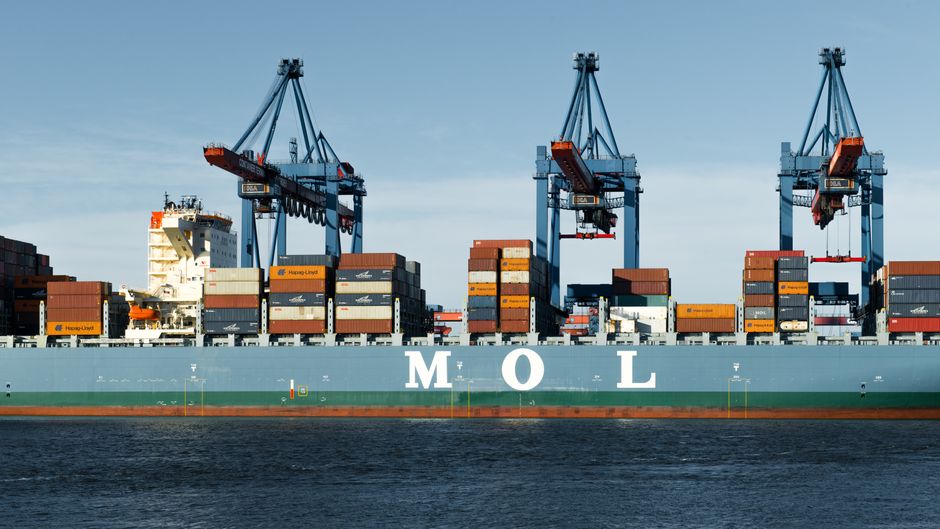
Capital investment plays a crucial role in the growth and sustainability of businesses and economies worldwide. It involves the allocation of financial resources to acquire or upgrade physical assets, such as buildings, machinery, and technology, which are essential for production and service delivery. This article aims to demystify capital investment, its significance, and the various forms it can take, providing valuable insights for entrepreneurs and investors alike.
The Importance of Capital Investment

Capital investment is fundamental for several reasons. Firstly, it drives economic growth by increasing the productive capacity of a company. When a business invests in new machinery or technology, it can produce more goods and services, which leads to higher sales and profits. According to a report by the World Bank, countries that prioritize capital investment tend to exhibit stronger economic performance and resilience during downturns.
Moreover, capital investment can lead to innovation. Companies that invest in research and development (R&D) can create new products or improve existing ones, giving them a competitive edge. For example, tech giants like Apple and Google consistently allocate significant portions of their budgets to R&D, resulting in groundbreaking products and services that have transformed industries.
Lastly, capital investment creates jobs. As businesses expand their operations, they often require more employees, contributing to lower unemployment rates and improved living standards in communities. The U.S. Bureau of Labor Statistics indicates that sectors with high levels of capital investment experience faster job growth than those with lower levels.
Types of Capital Investment
Capital investments can be categorized into various types, each serving different business needs. The two primary categories are tangible and intangible investments. Tangible investments include physical assets like machinery, buildings, and vehicles, while intangible investments cover non-physical assets such as patents, trademarks, and brand reputation.
Another classification is based on the purpose of the investment. Expansion investments involve acquiring new assets to increase production capacity, while replacement investments focus on upgrading or replacing outdated equipment. For instance, a manufacturing company may invest in state-of-the-art machinery to streamline its production process and enhance efficiency.
Furthermore, capital investments can be classified as short-term or long-term. Short-term investments are typically made for immediate benefits, while long-term investments are aimed at achieving sustainable growth over several years. Businesses must carefully assess their strategies and market conditions to determine the appropriate type of investment.
Funding Sources for Capital Investment
Securing funding for capital investments can be challenging, but several options are available. One common source is equity financing, where businesses raise capital by selling shares to investors. This method allows companies to obtain funds without incurring debt, but it may dilute ownership.
Debt financing is another popular option, where businesses borrow money from financial institutions or issue bonds. While this method allows for significant capital influx, it also comes with the obligation to repay the borrowed amount with interest. Companies must weigh the risks and benefits of debt financing carefully.
In recent years, alternative financing options have gained popularity. Crowdfunding platforms allow businesses to raise small amounts of money from a large number of people, while venture capitalists provide funding in exchange for equity stakes in startups. These options have democratized access to capital, especially for small businesses and entrepreneurs.
Additionally, companies can explore international project finance lending, which allows them to fund large-scale projects through loans secured by future cash flows. This method is particularly beneficial for businesses looking to expand their operations globally.
Challenges in Capital Investment
Despite its benefits, capital investment is not without challenges. One significant hurdle is the uncertainty surrounding market demand. Businesses must accurately forecast future demand for their products or services to avoid over-investment and potential financial losses.
Another challenge is the high cost associated with capital investments. Acquiring new assets often requires substantial financial resources, which may not be readily available for all businesses. Companies must develop robust financial strategies to allocate funds efficiently.
Additionally, rapid technological advancements can render certain investments obsolete. Businesses must stay informed about emerging technologies and trends to ensure their investments remain relevant and productive.
Conclusion
In conclusion, capital investment is a vital aspect of business growth and economic development. Understanding its importance, types, funding sources, and associated challenges can empower entrepreneurs and investors to make informed decisions. By strategically allocating resources, businesses can enhance their capabilities, drive innovation, and contribute to overall economic prosperity. As the landscape of capital investment continues to evolve, staying abreast of trends and opportunities will be crucial for long-term success.