
In an era where renewable energy sources are becoming increasingly prevalent, the need for efficient energy storage systems is more critical than ever. As we transition from fossil fuels to green energy, the ability to store energy generated from sources like solar and wind is essential to ensure a steady and reliable power supply. This article delves into the various types of energy storage systems, their applications, and their significance in the modern energy landscape.
What Are Energy Storage Systems?
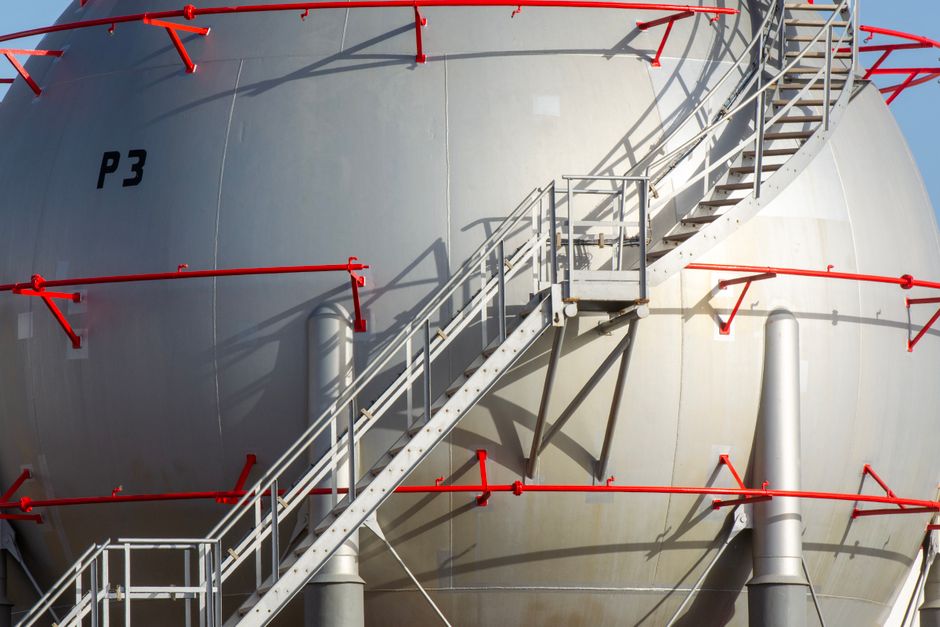
Energy storage systems (ESS) are technologies that store energy for later use, bridging the gap between energy generation and consumption. They can be classified into several categories, including mechanical, electrical, thermal, and chemical storage systems. Each type of ESS has its unique benefits and applications, making them suitable for different energy needs.
For instance, mechanical storage systems like pumped hydro storage work by using excess energy to pump water uphill to a reservoir. When energy is needed, the water is released to generate electricity. On the other hand, lithium-ion batteries, a popular choice for electrical storage, are widely used in electric vehicles and grid storage solutions.
The Role of Energy Storage in Renewable Energy
Renewable energy sources, such as solar and wind, are inherently intermittent. This means they do not produce energy consistently, which can lead to supply-demand mismatches. Here, energy storage systems play a pivotal role. By storing excess energy generated during peak production times, these systems ensure that energy is available when demand rises, thus stabilizing the grid.
For example, during sunny days, solar panels can generate a surplus of energy. Using energy storage systems, this surplus can be stored and then used during the night when solar generation ceases. This capability not only enhances energy reliability but also increases the feasibility of integrating renewable energy into the existing energy grid.
Types of Energy Storage Technologies
There are several types of energy storage technologies, each with distinct characteristics. Here are some of the most commonly used:
- Pumped Hydro Storage: This is the most prevalent form of energy storage, accounting for about 95% of the global energy storage capacity. It uses gravitational potential energy by pumping water to a higher elevation during low demand and releasing it to generate electricity during high demand.
- Lithium-Ion Batteries: Known for their high energy density and efficiency, these batteries are widely used in electric vehicles and portable electronics. Their scalability makes them suitable for both residential and industrial applications.
- Flywheel Energy Storage: This technology stores energy in the form of kinetic energy. Flywheels can rapidly respond to changes in energy demand, making them ideal for stabilizing the grid.
Challenges and Innovations in Energy Storage
Despite the numerous benefits of energy storage systems, several challenges remain. One of the primary concerns is the cost associated with new technologies. For example, while lithium-ion batteries have seen a significant reduction in price over the past decade, they still require substantial investment for large-scale applications.
Additionally, recycling and disposal of energy storage systems pose environmental challenges. As technology advances, innovations in recycling methods and the development of more sustainable materials are critical to minimizing these impacts. For instance, researchers are exploring alternatives such as sodium-ion batteries, which could offer similar performance without the reliance on rare materials.
The Future of Energy Storage Systems
The future of energy storage systems is bright, with ongoing research and development aimed at enhancing their efficiency and reducing costs. As governments and industries worldwide prioritize decarbonization, the demand for reliable energy storage solutions will continue to rise.
Moreover, advancements in battery technology, such as solid-state batteries, promise higher energy densities, faster charging times, and improved safety. These innovations could revolutionize how we store and use energy, making renewable sources more accessible and practical for everyday use.
Conclusion
Energy storage systems are vital to achieving a sustainable energy future. As they evolve, they will play an increasingly important role in supporting the transition to renewable energy. By understanding the various types of energy storage technologies and their applications, stakeholders can make informed decisions that will shape the energy landscape for generations to come.