In recent years, virtual tour photography has emerged as a powerful tool in various industries, from real estate to tourism. This innovative method allows viewers to experience locations from the comfort of their homes, providing a unique opportunity for businesses to showcase their offerings. But what exactly is virtual tour photography, and how can it transform the way we explore our world?
Understanding Virtual Tour Photography
Virtual tour photography involves creating a series of panoramic images that are stitched together to form an immersive 360-degree view of a space. This technology allows users to navigate through the environment as if they were physically present. The process typically involves high-resolution cameras, specialized software, and sometimes additional equipment such as drones for aerial shots.
The main goal of virtual tour photography is to provide an engaging experience that goes beyond traditional photography. In an era where consumers crave immediate and interactive content, virtual tours cater to this demand by allowing potential customers to explore before making a decision. According to a survey by the National Association of Realtors, properties with virtual tours receive 87% more views than those without.
Applications Across Industries
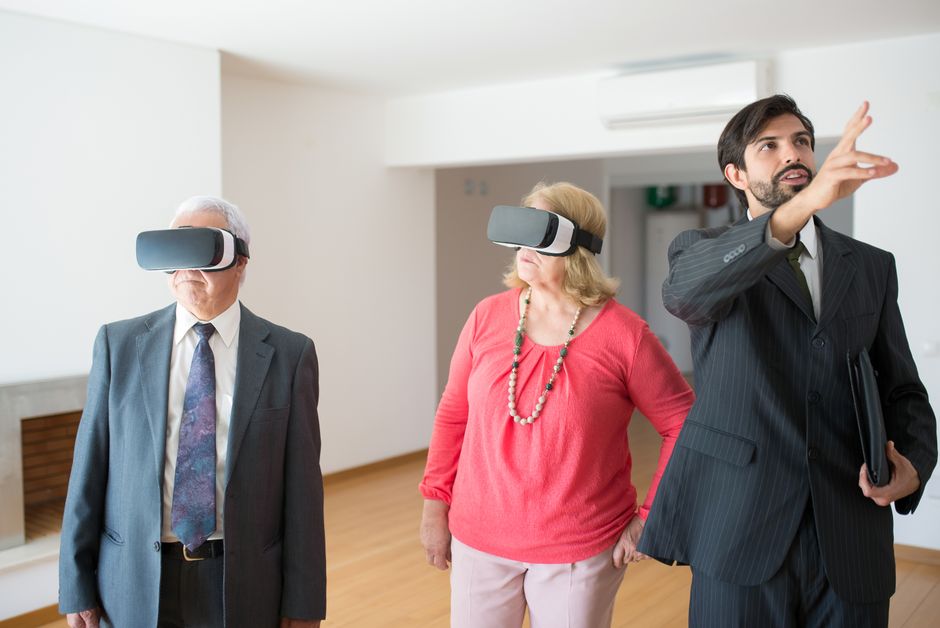
One of the most significant advantages of virtual tour photography is its versatility. In the real estate sector, agents can offer prospective buyers a detailed view of homes, enabling them to visualize the space better. This not only saves time for both parties but also enhances the chances of closing a sale.
In the hospitality industry, hotels and resorts utilize virtual tours to showcase their amenities and rooms. Guests can take a virtual stroll through the facilities, giving them a taste of what to expect during their stay. This immersive experience can significantly influence their booking decisions.
Furthermore, educational institutions are increasingly adopting virtual tours to attract students. By providing a glimpse of campuses, prospective students can get a feel for the atmosphere and facilities available, making their decision-making process easier.
Enhancing Marketing Strategies
Incorporating virtual tour photography into marketing strategies can yield impressive results. Businesses can leverage these tours on their websites, social media platforms, and even in email marketing campaigns. According to a study by Google, users who view virtual tours are 2.5 times more likely to inquire about a business.
Moreover, virtual tours can improve search engine optimization (SEO) efforts. By embedding virtual tours on websites, businesses can increase engagement time, reduce bounce rates, and ultimately enhance their ranking on search engines. This can lead to increased visibility and, subsequently, higher conversion rates.
Additionally, businesses can use virtual tour photography to create compelling content for platforms like YouTube or Instagram. Short snippets of virtual tours can capture attention and drive traffic to their main website, where viewers can explore further.
Technical Considerations
Creating high-quality virtual tours requires careful planning and technical expertise. First, it’s essential to choose the right equipment. While some professionals use high-end DSLR cameras, others may opt for specialized 360-degree cameras that simplify the process. The choice largely depends on the desired quality and budget.
Post-production is another critical phase in the creation of virtual tours. This involves stitching images together, editing for color correction, and adding interactive elements such as hotspots that provide additional information about specific features.
Finally, businesses need to ensure their virtual tours are optimized for mobile devices. As more users access content via smartphones, having a mobile-friendly virtual tour can significantly enhance user experience and accessibility.
Future Trends in Virtual Tour Photography
As technology continues to evolve, the future of virtual tour photography looks promising. Emerging technologies such as augmented reality (AR) and virtual reality (VR) are set to redefine how virtual tours are experienced. For instance, AR can overlay digital information in the real world, allowing users to interact with their environment in new ways.
Moreover, advancements in artificial intelligence (AI) may lead to more automated processes in both the creation and customization of virtual tours. This could make virtual tour photography more accessible to smaller businesses that may not have the resources to invest heavily in this technology.
In conclusion, virtual tour photography is not just a passing trend but a transformative tool that can enhance customer engagement and drive business growth. As more industries recognize its potential, the demand for high-quality virtual tours is expected to rise. Businesses that embrace this technology will likely find themselves ahead of the curve, ready to meet the needs of an increasingly digital audience.
Conclusion
In summary, virtual tour photography offers a unique blend of technology and creativity that can revolutionize the way we experience spaces. Whether used in real estate, hospitality, or education, its applications are vast and varied. By integrating virtual tours into marketing strategies and customer engagement efforts, businesses can provide immersive experiences that resonate with their audience. For those interested in exploring this innovative medium, resources such as virtual tour photography can offer valuable insights and services.