
Sheet metal fabrication is a critical process in the manufacturing industry, bridging the gap between raw materials and finished products. This process involves various techniques to shape metal sheets into desired forms, making it essential for a wide range of applications, from automotive components to HVAC systems. Understanding the intricacies of sheet metal fabrication can help businesses improve efficiency, reduce costs, and deliver high-quality products.
Understanding Sheet Metal Fabrication
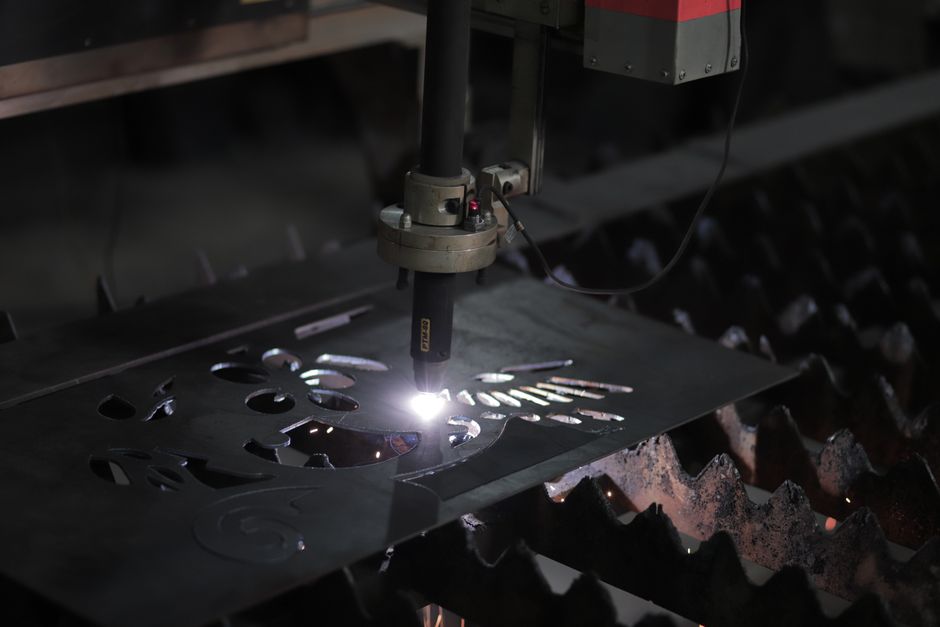
At its core, sheet metal fabrication refers to the processes used to cut, bend, and assemble metal sheets. This method is highly favored due to its versatility and efficiency. Common materials used in sheet metal fabrication include aluminum, stainless steel, and copper, each offering unique properties suited for different applications. The choice of material often affects the fabrication process, tooling, and final product.
Sheet metal fabrication encompasses several techniques, including cutting, punching, bending, and welding. Each technique has its own set of advantages and applications. For example, laser cutting provides precision and speed for intricate designs, while mechanical punching is ideal for high-volume production of standardized shapes.
Key Techniques in Sheet Metal Fabrication
Among the various techniques employed, cutting is one of the most fundamental processes in sheet metal fabrication. It can be achieved through methods such as laser cutting, water jet cutting, and plasma cutting. Laser cutting, in particular, is known for its ability to produce clean edges and high precision, making it suitable for complex designs.
Bending is another essential technique that transforms flat sheets into three-dimensional shapes. This process often involves the use of press brakes, which apply force to bend the metal at specified angles. The accuracy of bending is crucial, as even minor deviations can lead to issues in assembly and function.
Welding is the final step in many fabrication processes, where different metal pieces are joined together to create a single unit. TIG (Tungsten Inert Gas) welding and MIG (Metal Inert Gas) welding are commonly used methods, each offering distinct advantages depending on the materials and thickness involved.
Applications of Sheet Metal Fabrication
Sheet metal fabrication plays a vital role in numerous industries. In the automotive sector, for instance, it is used to produce various components, including body panels, brackets, and frames. The lightweight nature of fabricated sheet metal contributes to fuel efficiency and overall vehicle performance.
In the construction industry, sheet metal is essential for creating HVAC systems, roofing, and siding. The durability of metal materials ensures longevity and resistance to environmental factors. Furthermore, sheet metal fabrication is increasingly used in the production of custom furniture and architectural features, allowing for innovative designs that meet modern aesthetics.
Benefits of Sheet Metal Fabrication
The advantages of sheet metal fabrication are manifold. Firstly, it allows for high precision and repeatability, essential for mass production. This precision ensures that components fit together seamlessly, reducing the need for rework and waste.
Moreover, the scalability of sheet metal fabrication means that businesses can easily adjust production volumes based on demand. Advanced technologies, such as CNC (Computer Numerical Control) machinery, have further enhanced the efficiency of fabrication processes by automating tasks and reducing human error.
Another significant benefit is the cost-effectiveness of sheet metal fabrication. By utilizing raw materials efficiently and minimizing waste, companies can significantly lower production costs while maintaining high-quality standards.
Challenges in Sheet Metal Fabrication
Despite its many benefits, sheet metal fabrication does come with challenges. One of the primary concerns is the need for skilled labor. As the industry evolves, there is a growing demand for technicians who can operate advanced machinery and understand complex designs.
Additionally, the initial setup costs for equipment and technology can be substantial. Companies must carefully evaluate their investment in machinery to ensure it aligns with their production goals and capabilities.
Lastly, quality control is paramount in sheet metal fabrication. Ensuring that each piece meets strict specifications requires rigorous testing and inspection processes, which can be time-consuming and costly.
Conclusion
In summary, sheet metal fabrication is a dynamic and essential aspect of modern manufacturing. Its versatility, efficiency, and cost-effectiveness make it a preferred choice across various industries. By understanding the techniques, applications, and challenges of sheet metal fabrication, businesses can leverage this process to enhance their production capabilities and deliver high-quality products to their customers.