In the face of increasing global temperatures and unpredictable weather patterns, efficient water management has become essential for agricultural productivity. Irrigation systems play a crucial role in ensuring that crops receive the necessary hydration for optimal growth. This article explores various types of irrigation systems, their advantages and disadvantages, and the technology that is shaping their future.
Types of Irrigation Systems
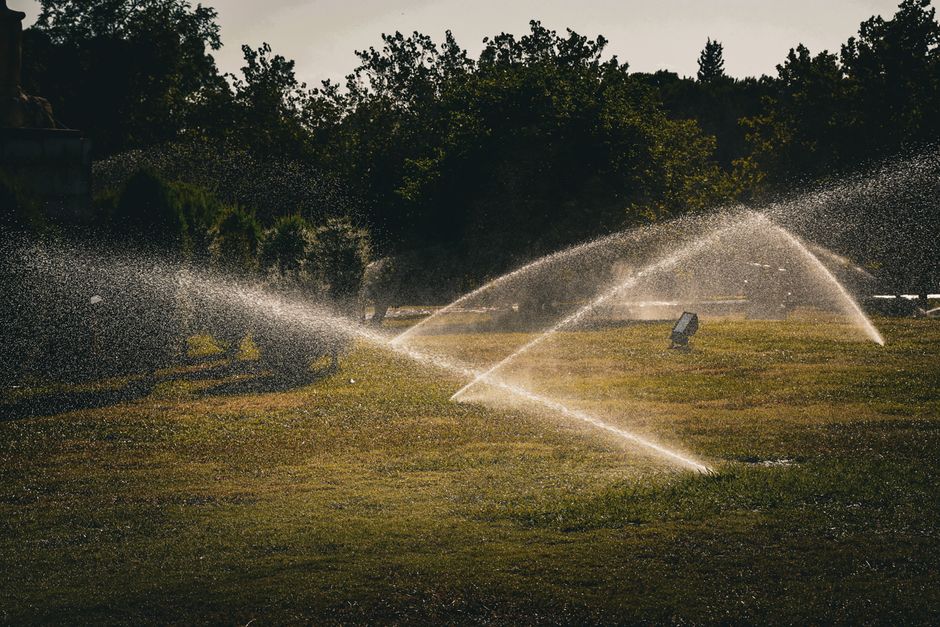
Irrigation systems can be broadly categorized into several types, each with its own unique features and applications. The most common types include surface irrigation, drip irrigation, sprinkler irrigation, and subsurface irrigation. Understanding the differences between these systems is crucial for farmers and landowners looking to optimize their water use.
Surface irrigation is one of the oldest methods, where water is applied directly to the soil surface and allowed to flow across the field. This method is most effective on flat terrain and can be relatively inexpensive. However, it requires careful management to avoid waterlogging and soil erosion.
Drip irrigation, on the other hand, delivers water directly to the plant roots through a network of tubing and emitters. This method is highly efficient, reducing water waste and minimizing weed growth. According to recent studies, drip irrigation can increase crop yields by up to 30% compared to traditional methods.
Advantages of Using Irrigation Systems
The implementation of an efficient irrigation system can lead to numerous benefits for farmers. For one, it allows for precise water application, which is essential during drought conditions. By using irrigation systems, farmers can ensure that their crops receive the right amount of water at the right time, leading to healthier plants and better yields.
Moreover, irrigation systems can help in maintaining the soil structure and fertility. By controlling the amount of water applied, farmers can prevent soil erosion and nutrient leaching, which are common issues in rain-fed agriculture.
Additionally, modern irrigation technologies, such as automated systems and sensors, have made it easier for farmers to monitor soil moisture levels and adjust their irrigation schedules accordingly. This not only saves water but also reduces labor costs.
Challenges in Irrigation Management
Despite the numerous advantages, managing irrigation systems comes with its own set of challenges. One of the primary issues is the initial cost of installation, particularly for advanced systems like drip irrigation. Farmers often face financial constraints that can limit their ability to invest in modern technology.
Furthermore, ongoing maintenance is critical to ensure the efficiency of irrigation systems. Clogged emitters, broken pipes, and other technical issues can lead to significant water loss and decreased crop production. Farmers must be equipped with the knowledge and resources to perform regular maintenance and repairs.
Another challenge is the regulatory environment surrounding water use. In many regions, water rights and restrictions can complicate the implementation of irrigation systems. Farmers must navigate these regulations while also striving to use water efficiently.
The Future of Irrigation Systems
The future of irrigation systems is being shaped by advancements in technology and an increasing focus on sustainability. Innovations such as smart irrigation systems, which use weather data and soil moisture sensors to optimize water usage, are becoming more prevalent. These systems not only conserve water but also reduce energy consumption, making them more environmentally friendly.
Research into alternative water sources, such as reclaimed wastewater and rainwater harvesting, is also gaining traction. These methods can supplement traditional irrigation systems and provide farmers with additional resources during dry spells.
Additionally, the integration of artificial intelligence and machine learning in irrigation management promises to further enhance efficiency. By analyzing data on crop growth, weather patterns, and soil conditions, AI-driven systems can provide tailored irrigation schedules that maximize productivity while minimizing waste.
Conclusion
Irrigation systems are vital for modern agriculture, enabling farmers to manage water resources effectively and ensure sustainable crop production. As technology continues to evolve, the potential for improved efficiency and sustainability in irrigation practices will grow. By understanding the different types of systems, their advantages and challenges, and the future trends in irrigation technology, farmers can make informed decisions that benefit both their livelihoods and the environment.