
In the modern music landscape, the importance of high-quality recording studios cannot be overstated. Whether you’re an aspiring artist, a professional musician, or a content creator looking to produce audio for your projects, selecting the right recording studio is crucial. This guide will delve into the various aspects of recording studio rentals, helping you make informed decisions and maximize your creative output.
Understanding the Basics of Recording Studio Rentals
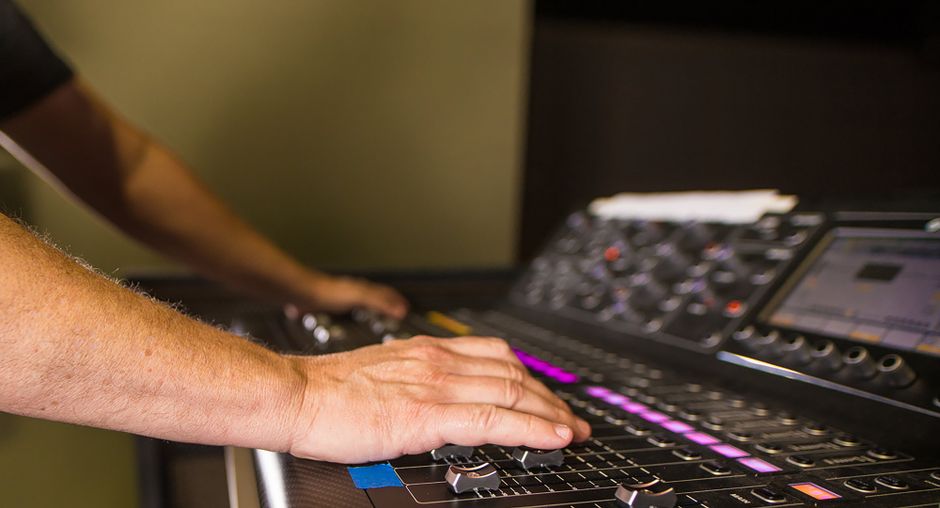
Recording studio rentals provide artists and producers with access to professional-grade equipment and acoustically treated spaces without the long-term commitment of owning their own studio. Typically, these studios offer a range of services, including recording, mixing, and mastering. The cost of renting a studio can vary significantly based on location, studio amenities, and the duration of the rental.
For instance, in major cities like Los Angeles and New York, prices for studio rentals can range from $50 to over $500 per hour. This price often includes the use of high-end microphones, soundboards, and software that are essential for producing high-quality audio.
When considering a recording studio rental, it’s essential to evaluate your specific needs. Are you looking for a space to record vocals, instruments, or both? Understanding your requirements will help you find a studio that best fits your project.
Choosing the Right Studio for Your Needs
Not all recording studios are created equal, and the right choice largely depends on the type of project you are undertaking. Some studios specialize in specific genres of music, while others might excel in podcast production or film scoring. Researching studios and their past projects can provide valuable insights into whether they align with your artistic vision.
Additionally, consider the studio’s location. A conveniently located studio can save you travel time and costs, making it easier to collaborate with musicians and producers. Some studios also offer unique features, such as live rooms for recording bands, isolation booths for vocals, and even recreational areas for breaks.
Another critical factor is the personnel working in the studio. Experienced sound engineers and producers can significantly enhance your recording experience. Ensure that the studio you choose has qualified staff who can assist you throughout the recording process.
Budgeting for Your Studio Rental
Budgeting is a crucial aspect of any recording project. Besides the hourly rental fee, factor in additional costs such as engineer fees, equipment rentals, and post-production services like mixing and mastering. A well-planned budget will help you avoid unexpected expenses and ensure that you can complete your project within your financial means.
In recent years, many studios have adopted flexible pricing models, including package deals for longer rentals or discounts for off-peak hours. Some studios also provide all-inclusive packages that cover all aspects of production, which can be a cost-effective choice for artists.
Moreover, consider the potential return on investment. A high-quality recording can lead to better music distribution opportunities, increased streaming revenue, and greater exposure in the industry. Thus, investing in a reputable studio can yield significant long-term benefits.
Maximizing Your Time in the Studio
Once you’ve secured your studio rental, it’s essential to make the most of your time there. Preparation is key; come equipped with a clear vision of your project, including song arrangements, lyrics, and any specific sounds you want to achieve. Having a well-structured plan will help you stay focused and make efficient use of your time.
Additionally, communicate openly with the studio staff. Share your ideas and be receptive to their input. Experienced engineers often have valuable suggestions that can enhance your project, so maintaining a collaborative spirit can lead to unexpected creative breakthroughs.
Lastly, don’t forget to take breaks. Recording can be an intensive process, and stepping away for a moment can refresh your perspective and boost creativity. Make sure to utilize breaks effectively, whether it’s for a quick chat with your collaborators or a moment of quiet reflection.
Post-Production Considerations
After your recording session, the next step is post-production, which includes mixing and mastering your tracks. These processes are crucial for achieving the polished sound that listeners expect from professional music. Many recording studios offer these services in-house or can recommend trusted professionals.
Mixing involves balancing the levels of different audio tracks, adding effects, and ensuring clarity in the final product. Mastering, on the other hand, is the final step where the mixed track is prepared for distribution, ensuring that it sounds good across all playback systems.
Investing time and resources in post-production is essential for delivering a high-quality product. Whether you choose to handle this in-house or outsource to specialists, ensure that you allocate enough time in your project timeline for these critical steps.
Conclusion
Renting a recording studio can be a transformative experience for any musician or content creator. By understanding the ins and outs of studio rentals, you can make informed choices that align with your artistic goals. Remember to do your research, budget wisely, and maximize your time in the studio for the best results. For those looking to explore options, consider recording studio rental services that cater to a variety of needs and genres. With the right approach, your studio experience can elevate your projects to new heights.