
The importance of mental health care has gained significant attention in recent years. Psychiatric hospitals play a crucial role in providing specialized treatment for individuals suffering from severe mental health disorders. These facilities are designed to offer a safe environment where patients can receive comprehensive care tailored to their unique needs. This article delves into the functions, treatments, and challenges faced by psychiatric hospitals today.
What is a Psychiatric Hospital?
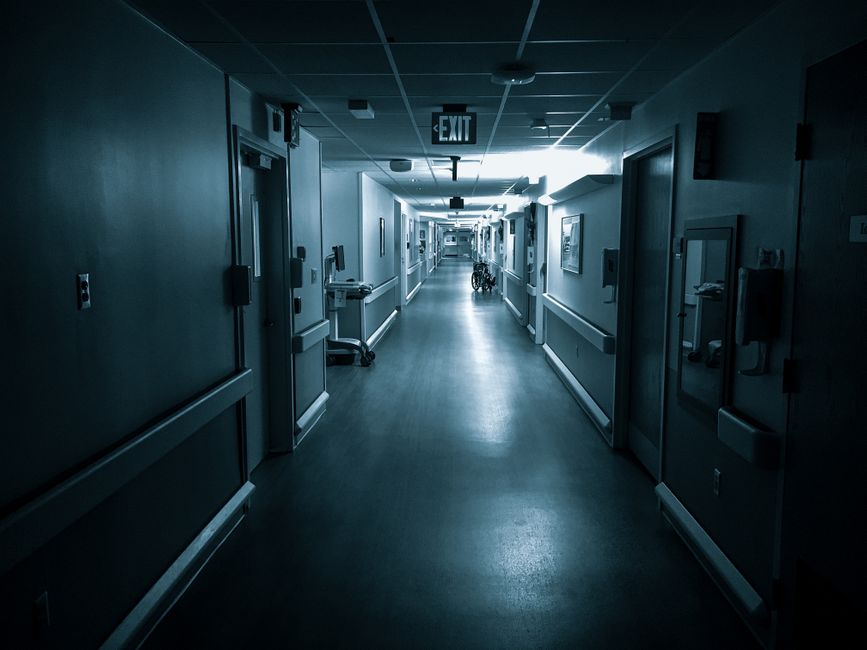
A psychiatric hospital, often referred to as a mental health facility, is a specialized institution that focuses on the treatment of mental illness. Unlike general hospitals, psychiatric hospitals are equipped with trained professionals, including psychiatrists, psychologists, and psychiatric nurses, who focus solely on mental health issues. These hospitals provide intensive care and support for individuals experiencing severe psychological distress, making them a vital component of the healthcare system.
The Types of Treatments Offered
Psychiatric hospitals offer a wide range of treatments tailored to the needs of their patients. Common therapeutic approaches include medication management, psychotherapy, and group therapy. Medications such as antidepressants, antipsychotics, and mood stabilizers are often prescribed to help manage symptoms. Additionally, various forms of psychotherapy, such as cognitive-behavioral therapy (CBT) and dialectical behavior therapy (DBT), are utilized to address underlying psychological issues.
Group therapy sessions are also a key component of treatment in psychiatric hospitals. These sessions provide patients with an opportunity to share their experiences and learn from others facing similar challenges. Such interactions can foster a sense of community and reduce feelings of isolation, which are common among individuals with mental health disorders.
Challenges Faced by Psychiatric Hospitals
Despite their critical role in mental health care, psychiatric hospitals face several challenges. One major issue is the stigma surrounding mental illness, which can deter individuals from seeking help. Many people still view mental health disorders as a weakness rather than a legitimate health issue, leading to underutilization of available services.
Furthermore, psychiatric hospitals often grapple with limited resources, including funding and staff shortages. These constraints can impact the quality of care provided and the ability to accommodate all patients in need. For instance, in many regions, there is a lack of available beds, resulting in long wait times for admission. This situation can exacerbate patients’ conditions and lead to more severe mental health crises.
The Future of Psychiatric Hospitals
The future of psychiatric hospitals is likely to be shaped by advancements in technology and a growing emphasis on holistic care. Telepsychiatry, which allows patients to receive care remotely, is becoming increasingly popular, especially in light of the COVID-19 pandemic. This approach can improve access to mental health services for individuals in remote or underserved areas.
Moreover, there is a growing recognition of the importance of integrating physical health with mental health care. Programs that address both aspects of a patient’s well-being are more likely to result in successful outcomes. Many psychiatric hospitals are beginning to implement these integrated models, promoting a more comprehensive approach to overall health.
Conclusion
Psychiatric hospitals serve a vital function in the mental health care system, offering specialized treatment for individuals with severe mental health disorders. While they face significant challenges, including stigma and resource limitations, the future appears promising with advancements in technology and a shift towards more holistic approaches to care. By understanding the role and importance of psychiatric hospitals, society can work towards reducing stigma and improving access to crucial mental health services. For those seeking professional help, consulting a qualified Psychiatrist dubai can be a valuable step towards recovery.