
Horse riding is a timeless activity that not only connects us with nature but also brings a sense of freedom and adventure. For those interested in learning to ride, the journey can be as exhilarating as the activity itself. Whether you are a complete novice or someone looking to enhance your skills, taking horse riding lessons offers numerous benefits, from physical fitness to mental well-being.
The Benefits of Taking Horse Riding Lessons
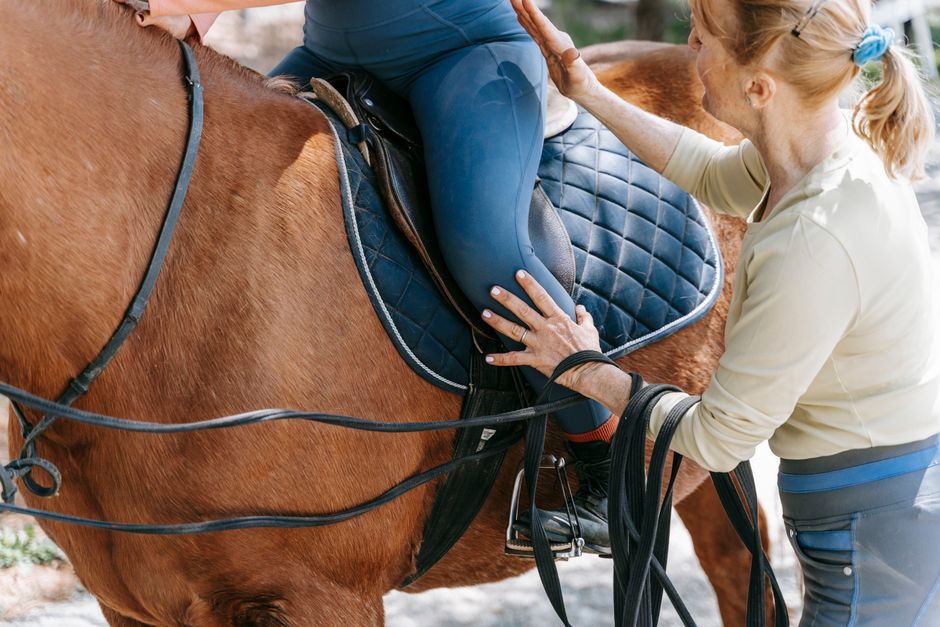
Engaging in horse riding lessons provides an array of benefits that extend beyond just learning how to ride. First and foremost, it is a fantastic way to improve physical fitness. Riding requires core strength, balance, and coordination, which are all enhanced through regular practice. Additionally, the act of grooming and caring for a horse also contributes to physical activity and promotes a healthy lifestyle.
Moreover, horse riding is known to have therapeutic effects. Many riders report feeling a sense of calm and reduced anxiety after spending time with horses. The bond formed between rider and horse can create a unique therapeutic relationship, making riding lessons not just a physical pursuit but also a mental escape.
Lastly, horse riding lessons can also foster social connections. Many individuals find a community within riding schools, making new friends who share similar interests. This sense of belonging can be uplifting and provide a support system that enhances the overall experience of learning to ride.
Choosing the Right Riding School
When embarking on your horse riding journey, selecting the right riding school is crucial. Look for schools that offer horse riding lessons with qualified instructors who prioritize safety and effective teaching methods. Reading reviews and seeking recommendations can also help narrow down your options.
It’s important to consider the type of riding you are interested in as well. Some schools specialize in disciplines such as dressage, jumping, or Western riding. Ensure that the school aligns with your goals, whether they are recreational or competitive. Visiting the facility beforehand can also provide insight into the environment and the condition of the horses.
Finally, don’t hesitate to ask questions. A reputable riding school will be open to discussing their methods, safety protocols, and the experience of their instructors. This transparency is a good indicator of their professionalism and commitment to quality education.
The Structure of a Riding Lesson
A typical horse riding lesson can vary in structure depending on the skill level of the rider and the focus of the lesson. Beginners often start with groundwork, which includes learning how to approach, groom, and handle horses safely. This foundational knowledge is essential before mounting a horse.
Once riders are comfortable, they will typically move on to basic riding skills. This includes understanding the proper posture, how to hold the reins, and controlling the horse’s movements through leg and seat aids. Instructors will often use a combination of verbal instructions and demonstrations to guide the riders effectively.
As students advance, lessons may incorporate more complex maneuvers and techniques, including trotting, cantering, and jumping. Each lesson builds upon the previous one, allowing riders to progress at their own pace while ensuring a solid understanding of each skill.
Safety Considerations in Horse Riding
Safety is paramount when it comes to horse riding. Wearing appropriate gear, such as a riding helmet, boots, and comfortable clothing, is essential for every lesson. Instructors will often emphasize the importance of safety protocols, including how to properly mount and dismount, as well as how to handle horses on the ground.
Understanding the behavior of horses is also critical. Riders should learn to read their horse’s body language and recognize signs of discomfort or agitation. This knowledge helps ensure that both rider and horse have a positive experience during lessons.
Moreover, riding in a controlled environment, such as an arena, is advisable for beginners. As riders gain confidence and skill, they may have the opportunity to ride on trails or in open fields, but this should be approached gradually and under supervision.
Conclusion: The Path to Becoming a Skilled Rider
In conclusion, taking horse riding lessons can be a fulfilling and enriching experience. From enhancing physical fitness to building mental resilience, the benefits are profound. As you embark on this journey, remember that every rider started as a beginner, and progress takes time and practice.
So, whether you are seeking a new hobby, a competitive edge, or a relaxing escape, horse riding offers a unique adventure that is well worth exploring. With the right instructor and a commitment to learning, you will find yourself galloping toward new horizons.