
In recent years, the advent of 3D printing technology has revolutionized various industries, from manufacturing to healthcare. With its ability to create complex geometries quickly and efficiently, businesses are increasingly turning to 3D printing services to enhance their productivity and innovation. This article delves into the myriad benefits of utilizing 3D printing services and how they can be a game-changer for various sectors.
The Basics of 3D Printing
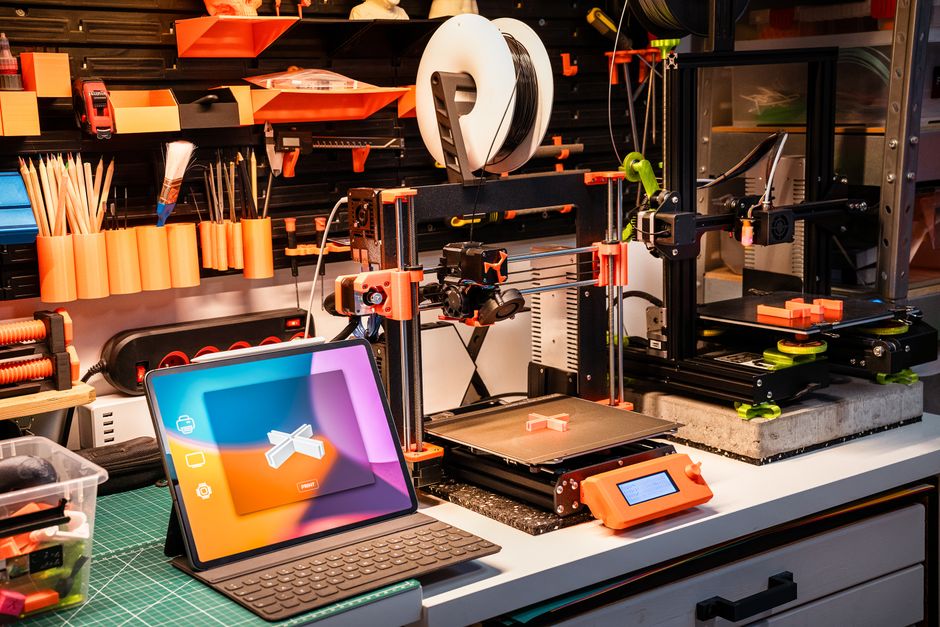
3D printing, also known as additive manufacturing, refers to the process of creating three-dimensional objects from a digital file. The technology works by adding material layer by layer until the object is fully formed. This stands in stark contrast to traditional manufacturing methods, which often involve subtracting material from a larger block. The versatility of 3D printing allows for a wide range of materials, including plastics, metals, and even biological substances, to be used in the printing process.
The first step in the 3D printing process is the creation of a digital model, which can be designed using computer-aided design (CAD) software. Once the model is ready, it is sent to a 3D printer that interprets the design and begins the printing process. This allows for rapid prototyping and the ability to make alterations on the fly, which is particularly beneficial in product development.
Advantages of Using 3D Printing Services
One of the most significant advantages of 3D printing services is the reduction in manufacturing time. Traditional methods can take weeks or even months to produce a prototype, whereas 3D printing can create a model in just a few hours. This speed enables companies to bring products to market faster and respond to consumer demands more effectively.
Cost-effectiveness is another compelling reason to consider 3D printing service. The additive nature of the process means that less material is wasted compared to traditional manufacturing, ultimately leading to lower production costs. Moreover, businesses can produce small quantities of items without incurring the high setup costs associated with conventional manufacturing methods.
Applications of 3D Printing Across Industries
The applications of 3D printing are extensive and diverse. In the automotive industry, manufacturers use 3D printing to create prototypes and even some final parts, which can be customized for specific models. This not only speeds up the design process but also allows for greater flexibility in meeting customer specifications.
In healthcare, 3D printing plays a crucial role in creating custom prosthetics and dental implants that perfectly fit individual patients. Surgeons can use 3D-printed models of patients’ anatomy to plan intricate surgical procedures, leading to improved outcomes and reduced recovery times.
Challenges and Considerations
Despite its many advantages, there are challenges associated with 3D printing that businesses must consider. The initial investment in 3D printers and materials can be substantial, particularly for high-quality machines capable of producing professional-grade products. Additionally, the technology still requires skilled personnel who can design and operate the printers effectively.
Another concern is the intellectual property issues surrounding 3D printing. As digital files can be easily shared and replicated, businesses must navigate the complexities of protecting their designs from unauthorized reproduction. This has led to ongoing discussions about copyright and patent laws in the age of 3D printing.
The Future of 3D Printing Services
Looking ahead, the future of 3D printing services appears bright. As technology advances, we can expect to see improvements in printing speed, accuracy, and the range of materials available. Innovations such as bioprinting, which involves printing organic tissues and organs, hold the potential for groundbreaking applications in medicine and research.
Moreover, as more companies recognize the benefits of incorporating 3D printing into their operations, we can anticipate a growing number of service providers specializing in this field. This will not only enhance competition but also drive down costs, making 3D printing services more accessible to businesses of all sizes.
Conclusion
In conclusion, 3D printing services offer a transformative opportunity for businesses seeking to innovate and streamline their production processes. From rapid prototyping to custom manufacturing, the benefits are significant. As technology continues to evolve, those who embrace 3D printing will likely gain a competitive advantage in their respective markets.