The design of a restaurant’s interior does not merely serve the purpose of aesthetics; it plays a crucial role in shaping the overall dining experience. In an era where consumers are looking for more than just a meal, the atmosphere created by thoughtful interior design can significantly influence customer satisfaction and loyalty. This article explores the essential elements of restaurant interior design, offering insights that can help restaurateurs create spaces that attract and retain customers.
Understanding the Importance of Interior Design
Interior design in restaurants is not just about choosing the right furniture or color scheme; it encompasses the entire environment that diners experience. A well-designed restaurant can enhance the dining experience, making meals more enjoyable and memorable. According to a study conducted by the National Restaurant Association, over 70% of diners say that the restaurant’s ambiance influences their decision to return. This statistic highlights the importance of creating a compelling atmosphere.
Different design styles can evoke various emotions and reactions from diners. For instance, a modern and minimalist design may appeal to younger audiences seeking a trendy spot, while a rustic and cozy design might attract families looking for comfort. Understanding the target demographic is key to tailoring the restaurant’s interior accordingly.
Key Elements of Restaurant Interior Design
Several elements contribute to effective restaurant interior design, including layout, color scheme, lighting, and furniture selection. Each of these components must work harmoniously to create a cohesive atmosphere.
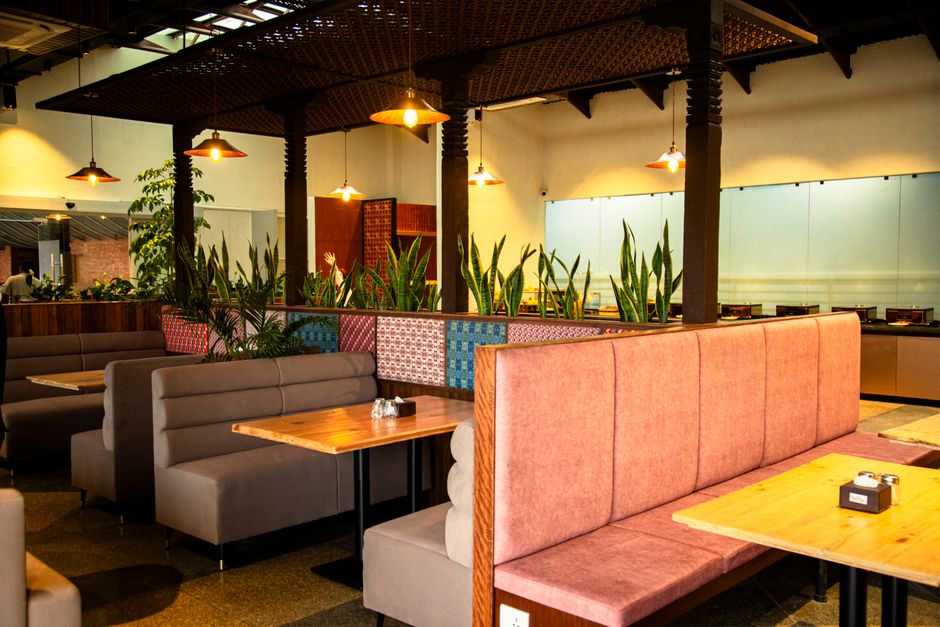
The layout of the restaurant is fundamental in determining how customers flow through the space. An efficient layout can enhance customer experience by reducing wait times and ensuring comfortable seating arrangements. For example, open floor plans can create a sense of community, while segmented areas can provide privacy for diners. Strategic placement of tables and booths can also maximize space and facilitate better service.
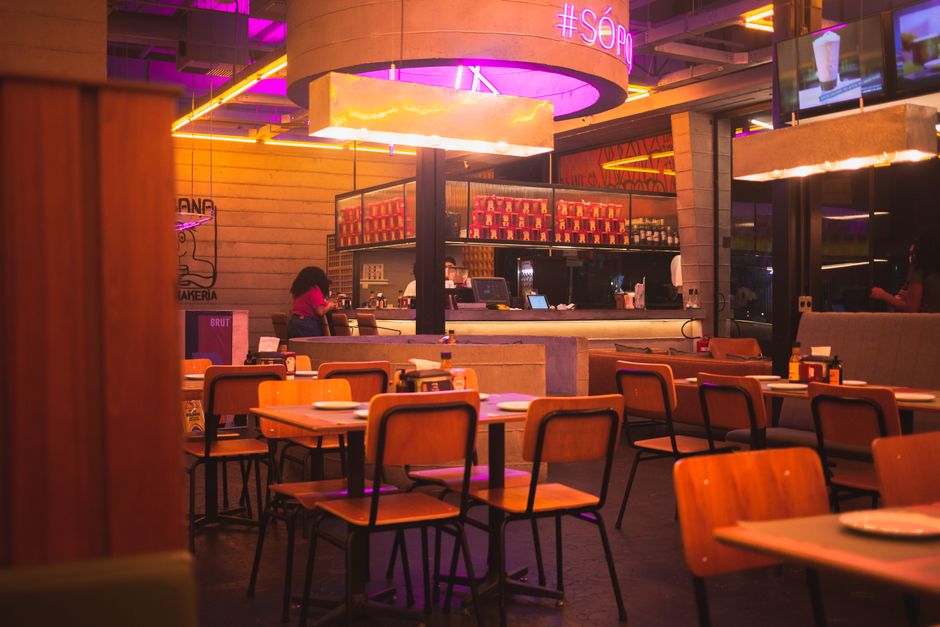
Color schemes play a vital role in setting the mood of the restaurant. Warm colors like red and orange can stimulate appetite and conversation, while cooler colors like blue can create a calming effect. It is essential to choose colors that align with the restaurant’s theme and intended atmosphere, as colors can influence diners’ emotions and perceptions.
Lighting: The Unsung Hero of Ambiance
Lighting is one of the most critical aspects of restaurant interior design. It has the power to transform the ambiance of a space instantly. Proper lighting can enhance the aesthetic appeal of the interior while also improving functionality. Dim lighting may create an intimate atmosphere suitable for romantic dinners, while bright lighting can energize a bustling café.
Natural light also plays a significant role in restaurant design. Incorporating large windows or skylights can enhance the dining experience by connecting diners with the outside world. Studies show that restaurants with natural light increase customer dwell time and spending. However, it is crucial to strike a balance between natural and artificial lighting to ensure comfort throughout the day.
Furniture Selection and Arrangement
The choice of furniture in a restaurant is not only about style but also about comfort and functionality. Chairs and tables should be selected based on the type of dining experience being offered. For instance, a fine dining restaurant may opt for plush seating to encourage leisurely meals, while a fast-casual eatery might choose more functional, stackable chairs for quick turnover.
Furthermore, furniture arrangement plays a significant role in customer experience. A well-thought-out arrangement can facilitate conversation and create a sense of intimacy among diners. It is also essential to consider accessibility for both diners and staff when arranging furniture. The Americans with Disabilities Act (ADA) provides guidelines to ensure that restaurants are accessible to all patrons.
Trends in Restaurant Interior Design
As the restaurant industry evolves, so do the trends in interior design. Sustainable design is becoming increasingly popular, with many restaurateurs opting for eco-friendly materials and practices. This trend not only appeals to environmentally conscious consumers but also enhances the restaurant’s image as a responsible business.
Another trend is the incorporation of technology into restaurant design. Many establishments are now using digital menus, online reservations, and even augmented reality to enhance customer engagement. These technological advancements can create a more interactive and memorable dining experience.
Finally, personalization is a growing trend in restaurant design. Customizing the interior to reflect the unique identity of the restaurant can help distinguish it from competitors. This could include unique artwork, themed décor, or even a signature scent that leaves a lasting impression on diners.
Conclusion
Restaurant interior design is an essential aspect of creating memorable dining experiences. From layout to lighting, each element contributes to the overall atmosphere that can influence customer satisfaction and loyalty. As the industry continues to evolve, staying informed about design trends and consumer preferences will be crucial for restaurateurs. By investing in thoughtful and innovative interior design, restaurants can create spaces that not only attract customers but also encourage them to return time and time again. For those seeking expert advice in restaurant interior design, consulting with professionals can provide invaluable insights and support in achieving the desired vision.