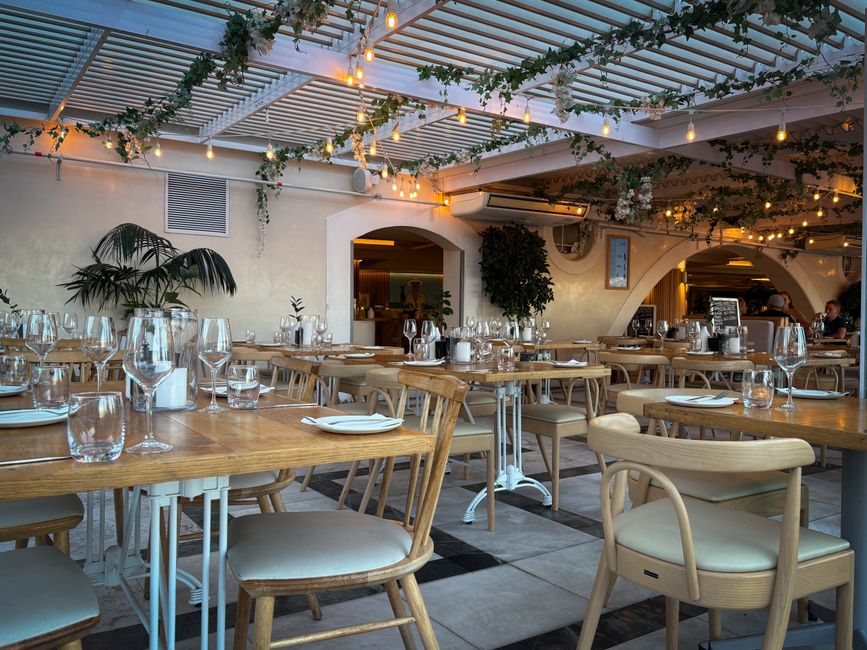
In the competitive world of the restaurant industry, the interior design of a restaurant plays a crucial role in attracting customers and creating a memorable dining experience. From the choice of colors to the arrangement of furniture, every detail counts. This article explores the essential elements of effective restaurant interior design, offering insights that can help restaurateurs create spaces that are not only visually appealing but also functional and inviting.
The Importance of Interior Design in Restaurants
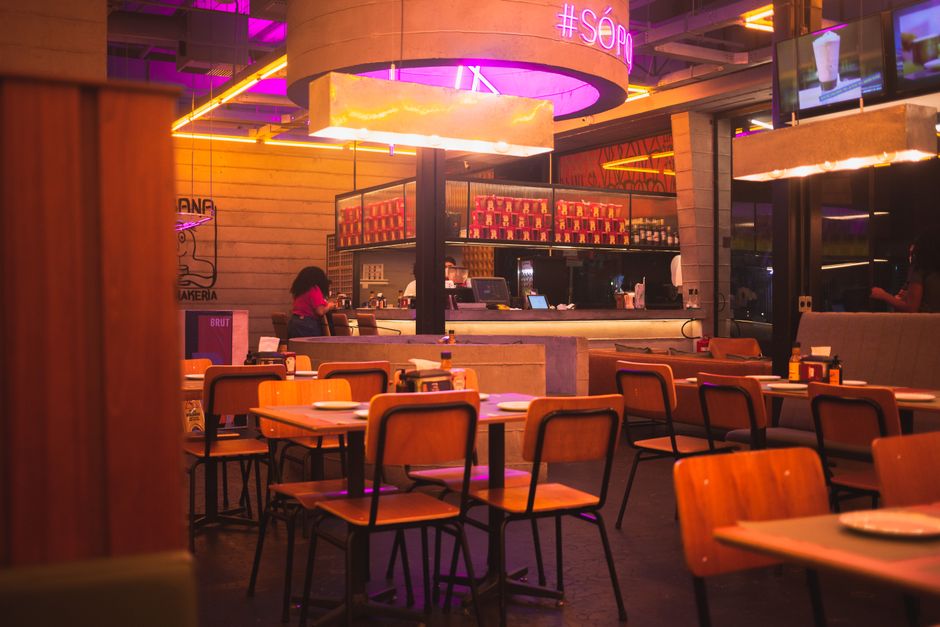
Interior design is more than just aesthetics; it significantly influences customer behavior and satisfaction. Research has shown that well-designed restaurant interiors can enhance the overall dining experience, leading to increased customer retention and positive word-of-mouth. A well-thought-out interior design can reflect the restaurant’s brand identity and create a unique atmosphere that sets it apart from competitors.
For instance, a fine dining restaurant may opt for an elegant and sophisticated design, using rich materials and soft lighting to evoke a sense of luxury. In contrast, a casual eatery may embrace a more relaxed and vibrant ambiance, with bright colors and playful decor. Understanding the target demographic is essential when deciding on a design approach.
Key Elements of Restaurant Interior Design
Several critical elements contribute to the overall effectiveness of restaurant interior design. These include layout, color scheme, lighting, furniture selection, and decor. Each aspect must work harmoniously to create a cohesive look and feel.
1. **Layout**: The layout should facilitate smooth customer flow and ensure that staff can serve efficiently. Consideration should be given to the placement of tables, the kitchen’s location, and access to restrooms.
2. **Color Scheme**: Colors can evoke specific emotions and set the mood for the dining experience. Warm colors like red and orange can stimulate appetite, while cooler colors like blue and green can create a calming atmosphere.
3. **Lighting**: Proper lighting can dramatically change the ambiance of a restaurant. Soft, dim lighting is often preferred for intimate dining experiences, while brighter lights may be suitable for casual eateries.
4. **Furniture Selection**: Comfortable seating is vital for keeping customers at the table longer. Consider the balance between aesthetics and comfort when choosing furniture. For example, plush chairs may enhance comfort but could take up more space.
5. **Decor**: Unique decor elements, such as artwork or themed decorations, can enhance the restaurant’s identity and make it memorable. Incorporating local art or cultural elements can also create a deeper connection with the community.
Trends in Restaurant Interior Design
The restaurant industry is constantly evolving, and design trends shift as consumer preferences change. Currently, some popular trends in restaurant interior design include:
1. **Sustainability**: More restaurants are focusing on eco-friendly materials and designs that promote sustainability. This can include using reclaimed wood, energy-efficient lighting, and biodegradable materials.
2. **Open Concept Layouts**: Many modern restaurants are opting for open layouts that create a sense of spaciousness and encourage social interaction. This design approach often includes large windows and an indoor-outdoor flow.
3. **Technology Integration**: Incorporating technology into the dining experience, such as digital menus or interactive tables, is becoming increasingly common. This trend can enhance customer engagement and streamline operations.
4. **Multi-Functional Spaces**: With the rise of remote work, many restaurants are adapting by creating spaces that serve multiple purposes, such as coffee shops that transition into bars in the evening.
Case Studies of Successful Restaurant Designs
Examining successful restaurant designs can provide valuable insights for aspiring restaurateurs. For example, the acclaimed restaurant Noma in Copenhagen is known for its minimalist design that emphasizes natural materials and open spaces. This design reflects the restaurant’s commitment to nature and local sourcing.
Another example is the Italian restaurant Osteria Francescana, which combines contemporary art with traditional Italian elements, creating a unique dining atmosphere that complements its innovative cuisine.
These examples illustrate how thoughtful interior design can enhance the overall dining experience and reinforce a restaurant’s brand identity.
Conclusion
In conclusion, restaurant interior design is a vital aspect of creating a successful dining experience. By carefully considering elements such as layout, color scheme, lighting, and furniture selection, restaurateurs can craft spaces that attract customers and encourage them to return. As trends continue to evolve, staying informed about the latest design innovations and consumer preferences will be crucial for maintaining a competitive edge in the restaurant industry. For those looking to elevate their restaurant’s interior, exploring professional resources and expert advice can be invaluable. For more insights, check out this guide on restaurant interior design.