The ambiance of a restaurant plays a crucial role in shaping the dining experience. The art of restaurant interior design goes beyond mere aesthetics; it involves creating a space that resonates with the brand’s identity, enhances customer comfort, and encourages repeat visits. In this article, we will explore various elements of restaurant interior design, delve into current trends, and discuss practical tips for creating an inviting atmosphere.
The Importance of Restaurant Interior Design
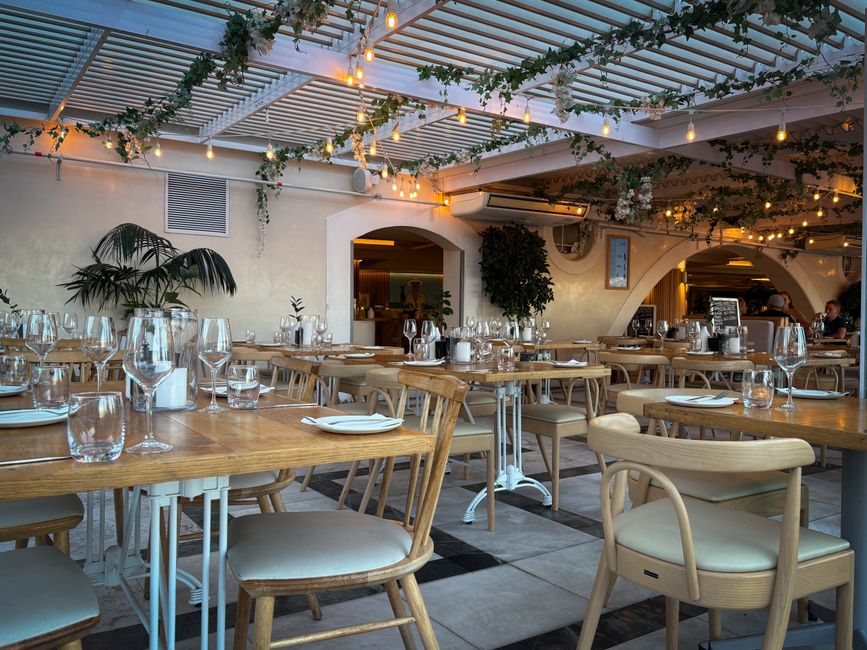
Restaurant interior design is not just about arranging tables and chairs; it is an essential aspect of a restaurant’s marketing strategy. A well-designed interior can significantly influence customer behavior, leading to increased satisfaction and higher spending. According to a survey by the National Restaurant Association, 60% of diners say that the interior design of a restaurant impacts their dining choices. Therefore, investing in thoughtful interior design can yield substantial returns.
Moreover, the design of a restaurant can convey its theme and concept effectively. For instance, a fine dining establishment may opt for elegant furnishings and subdued lighting, while a casual eatery might embrace a more vibrant and eclectic style. This strategic alignment between design and branding helps to attract the right clientele and establish a memorable dining experience.
Key Elements of Restaurant Interior Design
Several key elements contribute to effective restaurant interior design. First and foremost, layout is crucial. An efficient layout maximizes space and facilitates smooth customer flow. It is essential to consider the placement of tables, the bar, and service areas to ensure that both guests and staff can move about comfortably.
Another vital element is lighting. The right lighting can create a welcoming atmosphere, set the mood, and even influence food presentation. For example, warm, dim lighting is often used in romantic dining settings, while bright, natural light might be preferred in a breakfast café. Additionally, incorporating adjustable lighting options can help adapt the ambiance for different times of the day and special occasions.
Current Trends in Restaurant Interior Design
As with any design field, restaurant interior design is subject to evolving trends. One prominent trend in recent years is the use of sustainable materials. Many restaurateurs are now prioritizing eco-friendly design elements, such as reclaimed wood, recycled metal, and energy-efficient lighting. This trend not only appeals to environmentally conscious consumers but also enhances a restaurant’s brand image.
Another trend is the integration of technology into restaurant spaces. Digital menus, interactive tables, and even virtual reality experiences are becoming increasingly popular. These technological advancements not only improve customer engagement but also streamline operations, making the dining experience more enjoyable and efficient.
Practical Tips for Effective Design
When embarking on a restaurant interior design project, several practical tips can guide the process. First, consider your target audience and tailor the design to their preferences. Conducting market research can provide valuable insights into what potential customers are looking for in a dining experience.
Next, create a cohesive theme that reflects your restaurant’s concept. This theme should be consistent across all design elements, from color palettes and furniture choices to decor and signage. A well-defined theme helps to create a unified atmosphere that enhances brand recognition.
Finally, don’t overlook the importance of comfort. Comfortable seating, adequate spacing between tables, and a pleasant temperature can significantly enhance the overall dining experience. Investing in high-quality furnishings and paying attention to details like acoustics can make a notable difference.
Conclusion
In conclusion, restaurant interior design is a multifaceted endeavor that requires careful planning and execution. By understanding its importance, embracing current trends, and applying practical design tips, restaurateurs can create inviting spaces that resonate with customers. Ultimately, a well-designed restaurant not only enhances the dining experience but also contributes to the establishment’s long-term success. For those looking to delve deeper into the world of restaurant interior design, exploring professional resources and consulting experts can provide valuable insights and inspiration. You can learn more about innovative approaches to restaurant interior design from industry leaders.