In the rapidly evolving world of manufacturing, industrial automation has emerged as a critical component in enhancing productivity and efficiency. Industrial automation suppliers play a vital role in this transformation, providing the necessary tools and technologies that streamline operations. As businesses seek to reduce costs and improve output, understanding the landscape of industrial automation suppliers becomes essential.
Understanding Industrial Automation
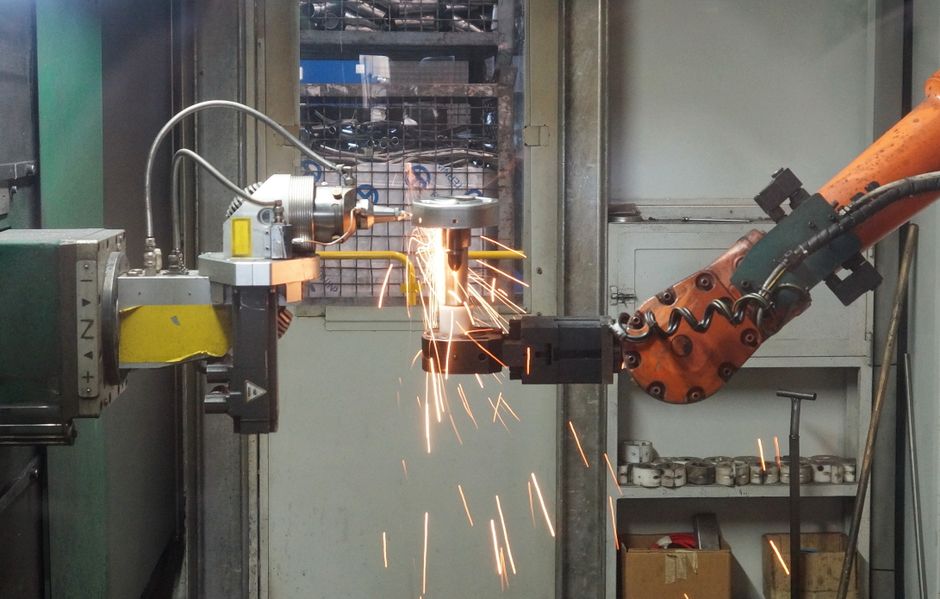
Industrial automation refers to the use of control systems, such as computers or robots, to handle different processes and machinery in an industry to replace human intervention. This technological advancement is not just limited to manufacturing; it extends to various sectors including transportation, utilities, and even service industries. The primary goal of industrial automation is to boost efficiency, reduce human error, and improve safety.
According to a report by McKinsey, companies that adopt automation technologies can see productivity gains of 20% to 25%. This statistic highlights the importance of integrating automated systems in production lines. As a result, more companies are turning to industrial automation suppliers to equip themselves with the latest technologies.
The Role of Automation Suppliers
Industrial automation suppliers provide a range of products and services, including robotics, sensors, and software solutions that are essential for modern manufacturing processes. These suppliers are not just vendors; they are strategic partners that help businesses implement automation solutions tailored to their specific needs.
For instance, a leading supplier might offer consultation services to assess a company’s current processes and identify areas where automation can be beneficial. This tailored approach ensures that the solutions provided are effective and meet the unique challenges faced by each business.
Key Technologies in Industrial Automation
Several key technologies are at the forefront of industrial automation. Robotics, for example, has transformed the way products are assembled and handled. Advanced robotics systems can perform complex tasks with precision, significantly reducing the time and labor costs associated with manual processes.
Moreover, the Internet of Things (IoT) has also revolutionized industrial automation. By connecting machines and systems through the internet, manufacturers can monitor performance in real-time and make data-driven decisions to optimize operations. A study by Deloitte suggests that IoT can lead to a productivity increase of up to 30% in manufacturing environments.
Benefits of Partnering with Automation Suppliers
Partnering with industrial automation suppliers brings numerous advantages to manufacturers. First and foremost is the access to cutting-edge technology. Suppliers are often at the forefront of innovation, continually updating their offerings to include the latest advancements in automation.
Additionally, these suppliers can provide ongoing support and training to ensure that the systems are used effectively. This training is essential as it helps employees adapt to new technologies, thereby reducing the resistance to change that often accompanies automation initiatives.
Challenges and Considerations
While the benefits of industrial automation are clear, there are also challenges to consider. The initial investment required for automation technologies can be significant, which may deter some businesses from making the leap. However, it is crucial to view this investment as a long-term strategy that will pay off through cost savings and increased productivity.
Furthermore, as automation becomes more prevalent, there is a growing concern about job displacement. It is important for companies to address these concerns proactively by providing retraining opportunities for their workforce. This approach not only helps maintain morale but also ensures that employees can transition into new roles that emerge as automation becomes more widespread.
Conclusion
The landscape of industrial automation is continuously evolving, and the role of industrial automation suppliers is more critical than ever. By providing innovative technologies and strategic support, these suppliers enable manufacturers to enhance their operations and remain competitive in a global market. As businesses navigate the challenges of automation, partnering with a reliable supplier can make all the difference in successfully implementing these transformative solutions.