
In an era where sustainable practices are paramount, vertical farming technology emerges as a beacon of innovation. This method not only maximizes space but also utilizes advanced techniques to grow crops in urban environments. As the global population continues to rise, the demand for efficient food production methods has never been more critical. Vertical farming offers a solution that combines technology with agriculture, paving the way for a more sustainable future.
The Basics of Vertical Farming
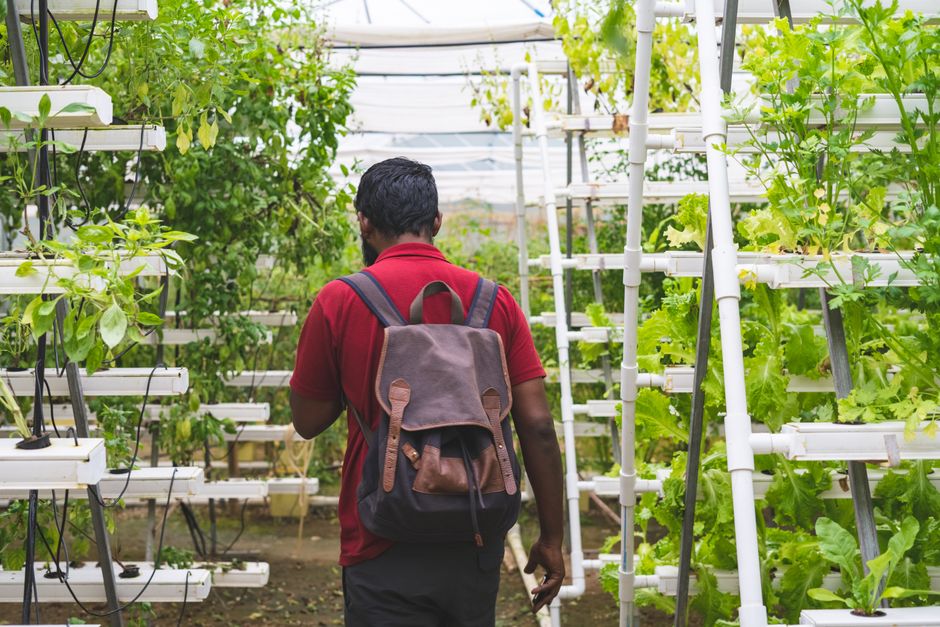
Vertical farming is a method of growing crops in vertically stacked layers, often integrated into structures like skyscrapers or repurposed warehouses. This approach utilizes controlled-environment agriculture (CEA) technology to optimize plant growth. By using artificial lighting, climate control, and hydroponics or aeroponics, vertical farms can produce food year-round, independent of seasonal changes. The concept, while relatively new, is gaining traction as urban areas seek to reduce their carbon footprint and increase local food production.
One of the key advantages of vertical farming is its ability to conserve space. Traditional farming requires vast amounts of land, whereas vertical farming can produce the same yield in a fraction of the area. For instance, a single vertical farm can produce the equivalent of several acres of traditional farmland, making it a viable option in densely populated cities.
Moreover, vertical farming significantly reduces the need for pesticides and herbicides. The controlled environment minimizes the risk of pests and diseases, leading to healthier crops and a more sustainable farming practice. As consumers become more health-conscious, the demand for pesticide-free produce continues to rise, making vertical farming an attractive option for both farmers and consumers alike.
Technological Innovations in Vertical Farming
At the heart of vertical farming lies an array of technological innovations that enhance productivity and efficiency. Automation plays a crucial role in this industry, with many vertical farms employing robots for planting, harvesting, and monitoring crops. This not only reduces labor costs but also increases precision in agricultural practices.
Furthermore, the integration of artificial intelligence (AI) and machine learning is revolutionizing crop management. These technologies analyze vast amounts of data to optimize growing conditions, such as light exposure, nutrient levels, and water usage. For example, sensors can monitor the pH levels of the nutrient solution in real-time, allowing for immediate adjustments that promote optimal growth.
Another significant advancement is the use of LED lighting. Unlike traditional grow lights, LEDs consume less energy and can be tailored to emit specific wavelengths that enhance photosynthesis. This means that vertical farms can achieve higher yields with lower energy consumption, making them more sustainable and cost-effective.
The Economic Impact of Vertical Farming
The economic potential of vertical farming is substantial. Reports suggest that the global vertical farming market is projected to reach over $12 billion by 2026, driven by increasing urbanization and the need for sustainable food sources. This growth is not only beneficial for food production but also creates job opportunities in technology, agriculture, and logistics.
Moreover, vertical farms can significantly reduce transportation costs and emissions associated with food distribution. By growing food closer to urban centers, vertical farms can deliver fresh produce to consumers in a matter of hours rather than days. This not only ensures fresher food but also reduces the carbon footprint associated with long-distance transportation.
Investors are increasingly recognizing the potential of vertical farming as well. Numerous startups and established companies are entering the market, developing innovative solutions that further enhance the efficiency and sustainability of vertical farming practices. Additionally, public and private funding is being funneled into research and development, pushing the boundaries of what is possible in this field.
Challenges Facing Vertical Farming
Despite its many advantages, vertical farming is not without challenges. High initial startup costs can be a significant barrier for many entrepreneurs. The investment required for technology, infrastructure, and ongoing operational costs can be daunting, particularly for small-scale farmers looking to enter the market.
Energy consumption is another concern. While vertical farms are designed to be efficient, the reliance on artificial lighting and climate control can lead to high energy bills. However, advancements in renewable energy technologies, such as solar panels and wind turbines, are being explored to mitigate these costs.
Additionally, market acceptance remains a crucial hurdle. While consumers are increasingly interested in locally grown and sustainable produce, the perception of vertical farming products as premium items can limit market penetration. Educating consumers about the benefits of vertical farming and its environmental impact will be essential for broader acceptance.
Conclusion: The Future of Vertical Farming
As the world grapples with the challenges of climate change, population growth, and food security, vertical farming technology stands out as a promising solution. By harnessing innovative techniques and technologies, vertical farms can produce healthy food sustainably and efficiently. While challenges remain, ongoing advancements in technology and growing consumer demand for sustainable practices position vertical farming as a key player in the future of agriculture.
With a focus on collaboration between technology developers, farmers, and consumers, the vertical farming sector is set to flourish. As we move forward, embracing these innovations will not only transform the way we grow food but also pave the way for a more sustainable and resilient agricultural landscape.
For more information on the latest developments in vertical farming technology, stay tuned to industry news and reports.