In an age where home safety is paramount, understanding the options available for home security systems is crucial. With crime rates fluctuating and the increasing prevalence of smart technology, homeowners are seeking reliable methods to protect their property and loved ones. This comprehensive guide will explore the various types of home security systems, their benefits, and how to choose the right one for your needs.
Understanding Home Security Systems
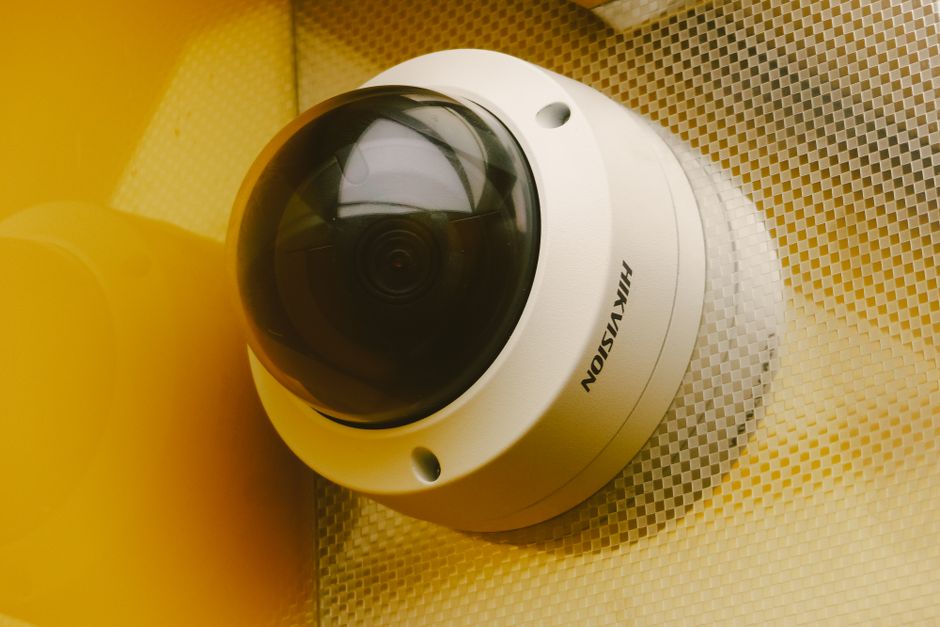
A home security system is designed to protect your home from intruders and various other threats. These systems can range from simple, traditional setups to advanced, smart home technologies that integrate with your smartphone. The primary components of most systems include alarms, surveillance cameras, and motion sensors.
Statistics show that homes without security systems are up to three times more likely to be burglarized. This alarming fact highlights the importance of investing in a reliable security solution. According to recent studies, over 60% of burglars stated they would avoid homes with visible security systems. Thus, having a home security system can act as a deterrent against potential intruders.
Types of Home Security Systems
There are several types of home security systems available, each with its unique features and benefits. The most common types include:
- Monitored Security Systems: These systems are connected to a monitoring center that alerts the authorities in case of a breach. They provide peace of mind, especially when homeowners are away.
- Unmonitored Security Systems: These systems trigger alarms when a breach is detected, but there is no monitoring service to alert authorities. They are often more affordable but require homeowners to respond to alarms themselves.
- Smart Home Security Systems: With the rise of IoT devices, smart home security systems offer automation and remote control features. Homeowners can monitor their property from anywhere using a smartphone app.
Each type has its pros and cons, so homeowners should evaluate their specific security needs before making a decision.
Key Features to Look For
When choosing a home security system, it’s essential to consider several key features:
- Video Surveillance: High-definition cameras enable homeowners to monitor their property in real-time. Many systems offer night vision and motion detection capabilities.
- Alarm Systems: A loud alarm can deter intruders and alert neighbors. Look for systems with customizable settings to suit your preferences.
- Mobile Notifications: Systems that send alerts to your phone can provide immediate updates about any suspicious activity.
Furthermore, many security systems now allow for integration with other smart home devices, such as smart locks and doorbells, enhancing overall security.
Installation and Costs
The cost of installing a home security system can vary significantly based on the type and features included. Basic systems may start around $200, while comprehensive monitored systems can reach upwards of $1,000 or more, depending on installation fees and monthly monitoring costs.
Many companies offer DIY installation options, which can save on costs but may require technical knowledge. Professional installation often comes with a warranty, ensuring that the system is set up correctly and functions properly.
When budgeting for a home security system, consider the long-term costs, including monthly monitoring fees and potential upgrades as technology advances. Utilizing a home security system that fits your budget and needs is crucial for maintaining home safety without breaking the bank.
Maintaining Your Home Security System
Once a home security system is installed, regular maintenance is vital to ensure it remains effective. Homeowners should test their systems monthly to check for any malfunctions. Additionally, changing the batteries in sensors and cameras periodically can prevent failures.
It’s also wise to stay updated with the latest security technologies. As new threats emerge, upgrading your system can provide enhanced protection against evolving risks.
Engaging with a professional monitoring service can also provide peace of mind, as they are equipped to handle emergencies and can offer advice on best practices for home security.
Conclusion
Investing in a home security system is an essential step in protecting your home and loved ones. With various options available, understanding your needs and the features of each system is crucial. Whether you choose a monitored service or a DIY setup, the peace of mind that comes with knowing your home is secure is invaluable. Remember, maintaining your system and staying informed about new technologies will help you keep your home safe for years to come.