
When it comes to the world of gemstones, the choice of supplier can significantly impact the quality and authenticity of your purchases. As the demand for gemstones continues to rise, understanding how to select the right gemstone supplier becomes crucial for both retailers and consumers alike. This article will explore the key factors to consider when choosing a gemstone supplier, ensuring that you make informed decisions in this vibrant industry.
Understanding the Gemstone Market
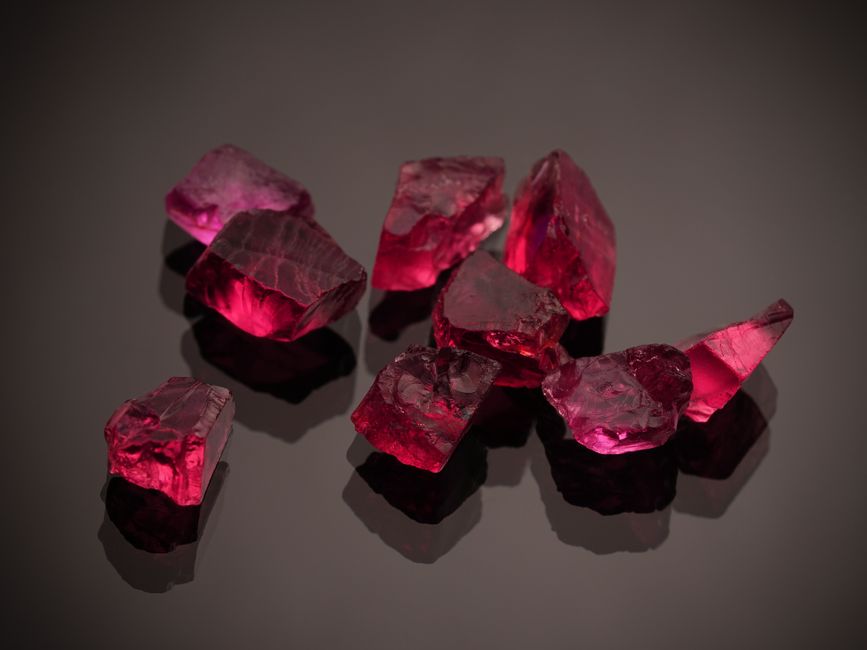
The gemstone market is a dynamic and multifaceted industry that encompasses a wide range of products, from raw stones to finished jewelry. According to a report by Research and Markets, the global gemstone market is expected to reach $34.5 billion by 2025, growing at a CAGR of 4.2%. This growth is driven by increasing consumer interest in unique and quality gemstones, as well as the growing popularity of online shopping platforms.
With such a promising market, it’s essential to understand the different types of gemstones available, including precious stones like diamonds, rubies, and emeralds, as well as semi-precious stones like amethyst and citrine. Each category has its own market dynamics and price points, which can affect your purchasing decisions.
Moreover, knowledge of gemstone grading systems, such as the Four Cs (Cut, Color, Clarity, and Carat), will empower you to assess stones more effectively. A reputable supplier will provide you with detailed certificates that outline these characteristics, ensuring transparency in your purchases.
Qualities of a Reliable Gemstone Supplier
Choosing a reliable gemstone supplier involves evaluating several critical factors. Firstly, consider the supplier’s reputation in the industry. Established suppliers often have a long-standing history of providing quality products and services. Look for reviews and testimonials from previous customers to gauge their experiences.
Additionally, the supplier’s sourcing practices are vital. A trustworthy supplier should be transparent about where and how their gemstones are sourced. Ethical sourcing practices are increasingly important to consumers, with many preferring suppliers who adhere to responsible mining practices.
Another important aspect is the range of products offered. A good supplier should provide a diverse selection of gemstones, catering to various tastes and preferences. This not only allows for better choices but also demonstrates the supplier’s expertise in the field.
Pricing and Payment Options
Pricing is undoubtedly a significant factor when selecting a gemstone supplier. It’s essential to compare prices among different suppliers to ensure you are getting a fair deal. However, be cautious of prices that seem too good to be true, as they may indicate lower quality or authenticity issues.
Understand the payment options available as well. Reputable suppliers often offer flexible payment methods, including credit cards, PayPal, and bank transfers. This flexibility can make transactions smoother and secure, giving you peace of mind when making purchases.
Moreover, inquire about any return policies or guarantees offered by the supplier. A good supplier will provide a clear return policy, allowing you to return stones that do not meet your expectations.
The Role of Technology in Sourcing Gemstones
Technology has revolutionized the gemstone industry, particularly in how suppliers source and sell their products. The rise of online platforms has made it easier for consumers to access a wider range of gemstones than ever before. Many suppliers now have websites that showcase their inventory, complete with high-quality images and detailed descriptions.
Moreover, advancements in technology have enabled suppliers to offer virtual consultations, allowing customers to view stones and make purchases from the comfort of their homes. This level of convenience is especially appealing in today’s fast-paced world.
In addition, blockchain technology is being explored for tracking the authenticity and origin of gemstones. This innovation can provide additional assurance to consumers regarding the ethical sourcing of their purchases, making it a valuable tool for suppliers looking to build trust with their customers.
Building a Relationship with Your Supplier
Establishing a solid relationship with your gemstone supplier can yield long-term benefits. A good supplier will not only provide you with quality products but will also offer guidance and support throughout your purchasing journey. This relationship can lead to better deals, exclusive offers, and insider knowledge about upcoming trends in the gemstone market.
Regular communication is key to building this relationship. Don’t hesitate to reach out with questions or requests for specific types of gemstones. A responsive supplier will appreciate your interest and be more willing to accommodate your needs.
Additionally, consider attending trade shows or gemstone expos where you can meet suppliers in person. These events provide an excellent opportunity to network and build rapport, helping you establish a trustworthy and dependable supply chain.
Conclusion
In conclusion, selecting the right gemstone supplier is a critical decision that can greatly influence the quality of your purchases. By understanding the gemstone market, evaluating supplier qualities, comparing pricing, leveraging technology, and building strong relationships, you can ensure that you are making informed choices. Whether you are a retailer or a consumer, taking the time to choose a reputable gemstone supplier will pay off in the long run, leading to satisfying and successful transactions.