
Renting heavy equipment can be a daunting task, especially when it comes to excavators. Whether you’re a contractor, a DIY enthusiast, or a business owner, understanding the ins and outs of excavator rental is essential for any construction project. This comprehensive guide will walk you through everything you need to know about renting an excavator, from choosing the right model to understanding rental agreements.
Why Rent an Excavator?
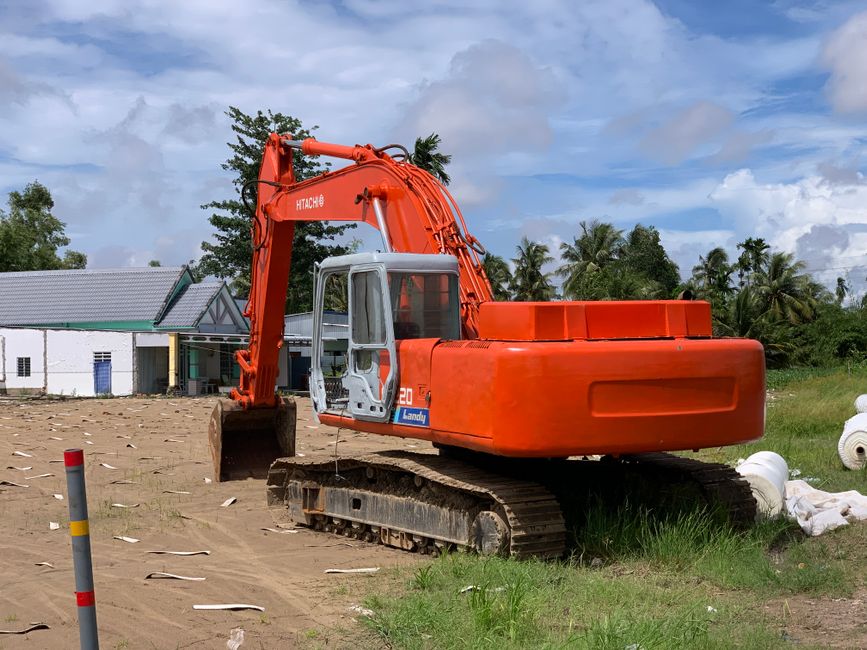
Excavators are versatile machines that play a crucial role in various construction projects. They are used for digging, lifting, and moving heavy materials, making them indispensable on construction sites. Renting an excavator can be a cost-effective solution for those who may not need the equipment regularly. For many small businesses or contractors, purchasing a brand-new excavator isn’t financially feasible, thus making rental options attractive.
Additionally, renting allows you to access the most advanced models without the ongoing maintenance costs associated with ownership. According to industry statistics, rental equipment can save businesses up to 30% in operational costs compared to ownership.
Choosing the Right Excavator
When selecting an excavator for rental, consider the specific needs of your project. Excavators come in various sizes and types, including mini excavators, standard excavators, and large excavators, each suited for different tasks. For example, a mini excavator is ideal for tight spaces or smaller jobs, while larger excavators are better suited for heavy-duty tasks.
Another important factor is the type of attachment you may need. Excavators can be fitted with a range of attachments such as buckets, hammers, and grapples, which can enhance their functionality. Ensure that the rental company provides the necessary attachments to meet your project requirements. Furthermore, evaluating the terrain of your worksite is vital, as it will influence your choice of excavator size and type.
Understanding Rental Agreements
Before finalizing your excavator rental, it’s crucial to understand the terms of the rental agreement. Most rental agreements will cover the rental duration, costs, and responsibilities for maintenance and repairs. Make sure to clarify who is responsible for damages incurred during the rental period.
Moreover, inquire about insurance options. Some rental companies provide insurance coverage for their equipment, while others may require you to have your own. It’s advisable to check what the coverage entails to avoid unexpected costs. Always read the fine print and ensure that you are aware of any additional fees that may apply, such as delivery charges or late fees.
Tips for a Successful Excavator Rental Experience
To ensure a smooth rental experience, consider these practical tips. First, plan ahead. Determine the duration of your project and rent the excavator accordingly to avoid last-minute rushes that could lead to higher costs.
Additionally, inspect the equipment before taking it on-site. Check for any existing damages and ensure that it’s in good working condition. Document any issues to avoid disputes when returning the equipment. It’s also beneficial to familiarize yourself with the controls and operation of the excavator to maximize efficiency on the job site.
Finally, maintain clear communication with the rental company. If you encounter any issues or require additional attachments, contacting them promptly can save time and resources. For those looking for reliable options, consider exploring excavator rental services that prioritize customer satisfaction and equipment quality.
Conclusion
Excavator rental can be an excellent solution for contractors and businesses looking to manage costs while accessing high-quality equipment. By understanding the types of excavators available, the nuances of rental agreements, and following best practices during your rental period, you can ensure a successful project. With the right preparation and knowledge, renting an excavator can be a seamless experience that helps you achieve your construction goals efficiently.